




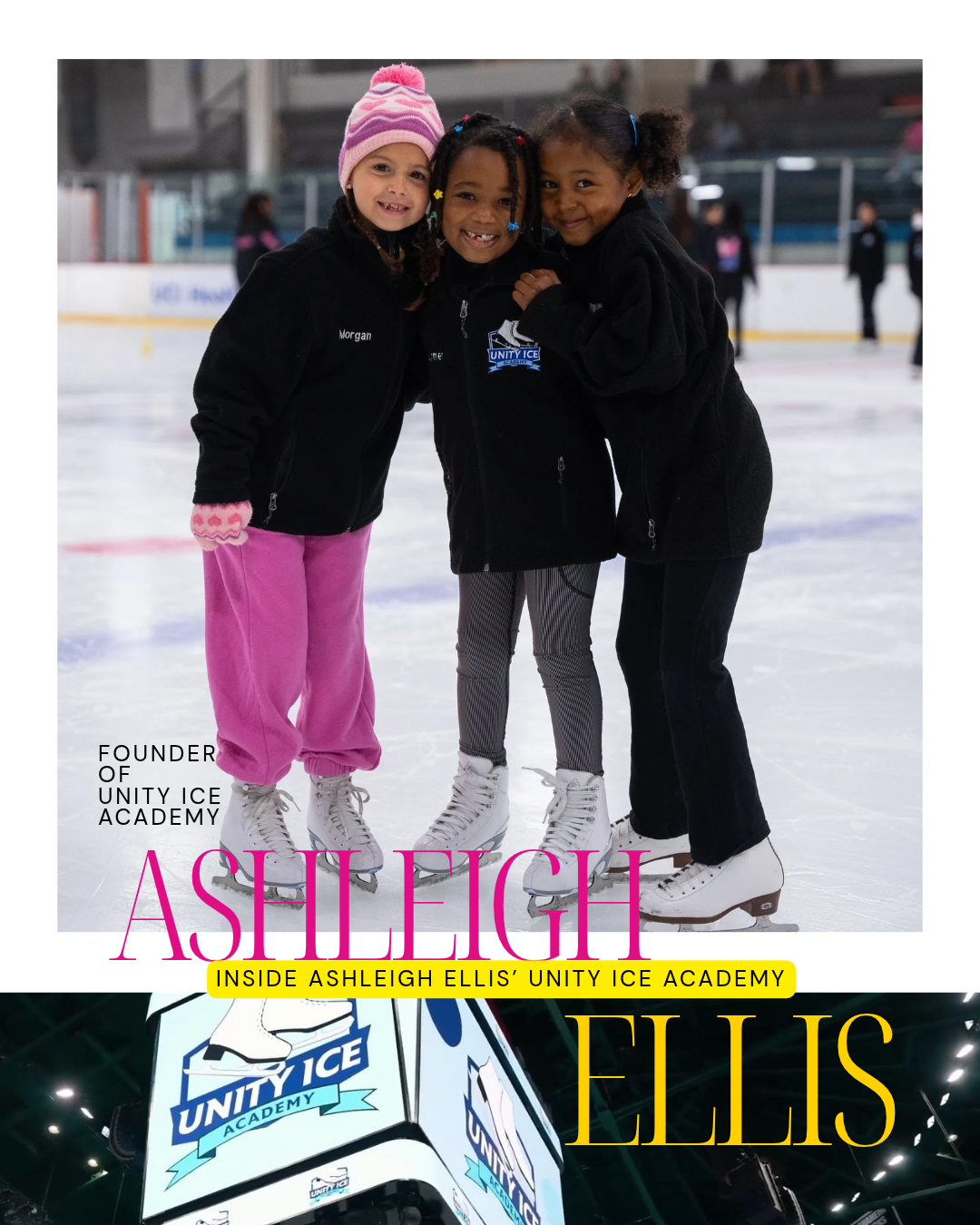
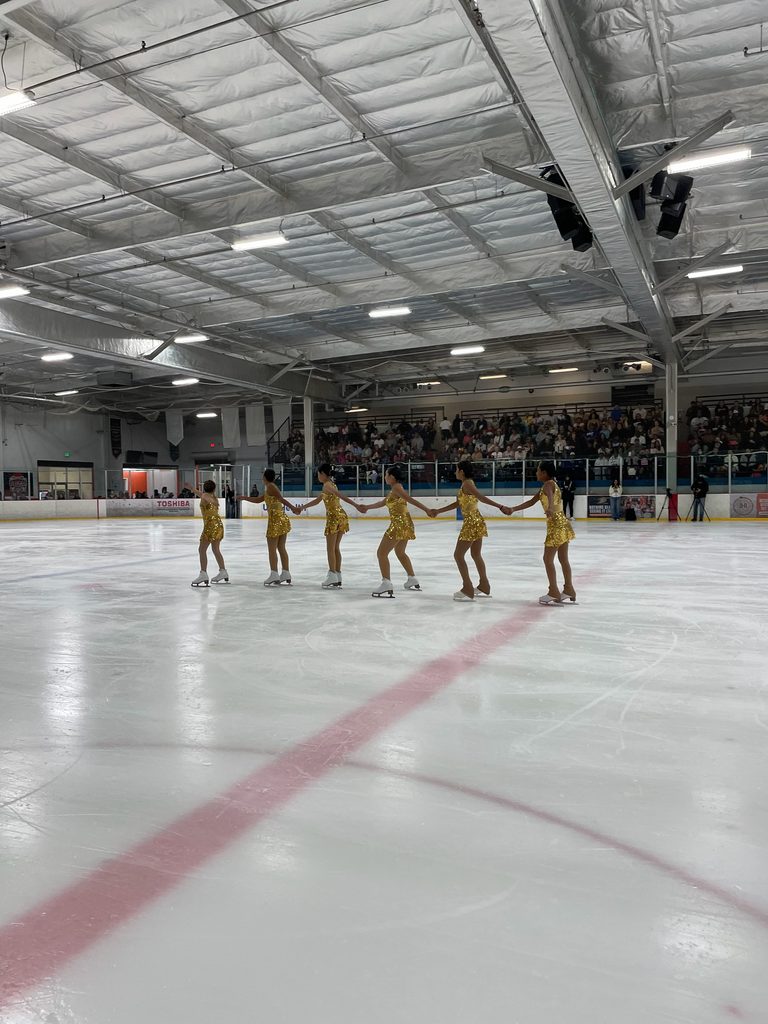
There’s something wonderfully chaotic about the moments before an ice-skating recital. When I arrived at Unity Ice Academy, I was quickly surrounded by eager parents preparing their kids, young skaters moving in and out of the rink, coaches checking in with families and an entire community seemingly operating on its own rhythm. Next door, a hockey game was underway. The cold air, the sound of blades cutting across the ice, the bundled-up parents and kids rushing around made it feel like its own little ice world tucked away in Los Angeles.
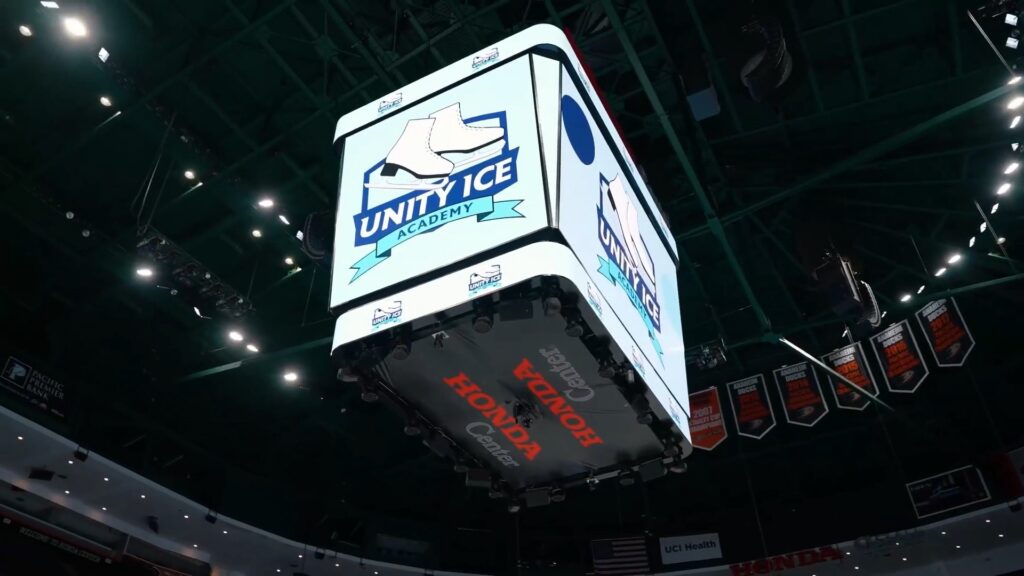
I was greeted by Ashleigh Ellis’ mother and a member of the Unity team, who walked me toward the back of the rink to meet Ellis, the founder and CEO of Unity Ice Academy. When we found her, she was already being filmed for a documentary. It seemed fitting that a camera was following her around. Ellis has built something worth documenting.
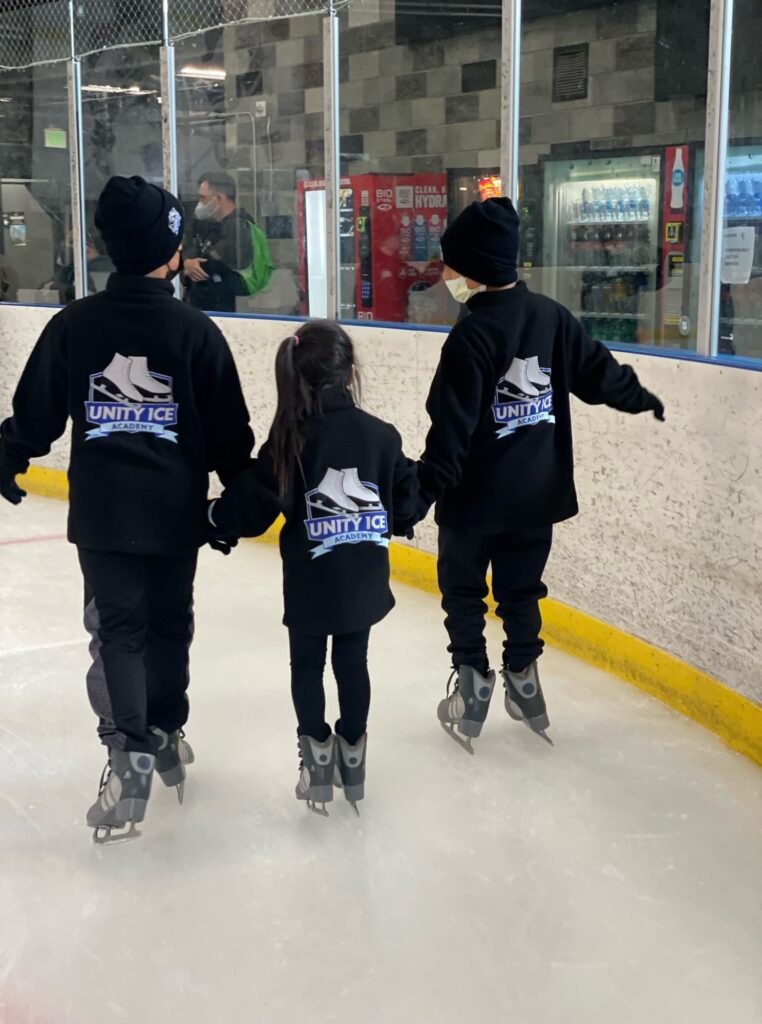
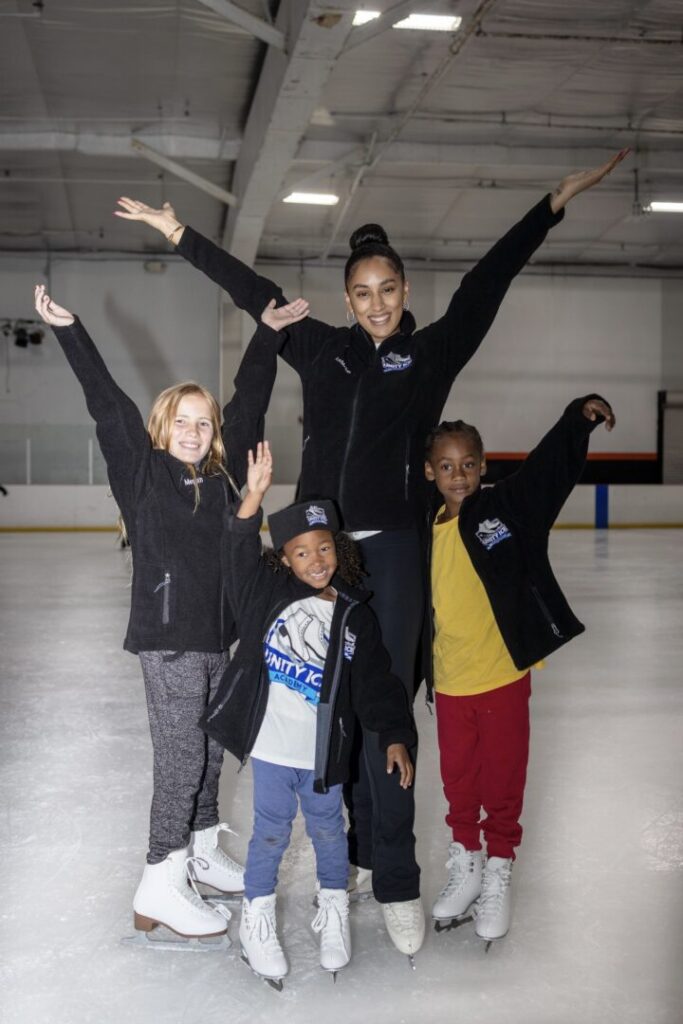
Unity Ice Academy provides free and low-cost access to figure skating for children in Los Angeles, many of whom arrive having never stepped onto the ice. What began as a summer program has grown into a year-round organization serving more than 150 young people annually, including 100 children through its free summer camp and approximately 80 through its after-school program. Alongside skating, the program incorporates academic support, mentorship, meals and leadership development. But before Unity was an organization, it was an idea living in the mind of a little Black girl who loved to skate.
“I started skating when I was six years old,” Ellis told me. “I actually went to an ice skating birthday party and fell in love with it.”
That birthday party turned into group lessons, then semi-private lessons, private coaching and eventually competition. But the deeper Ellis went into the sport, the more apparent something became: there were very few people who looked like her.
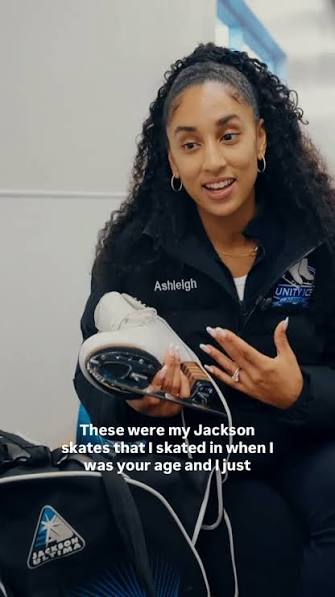
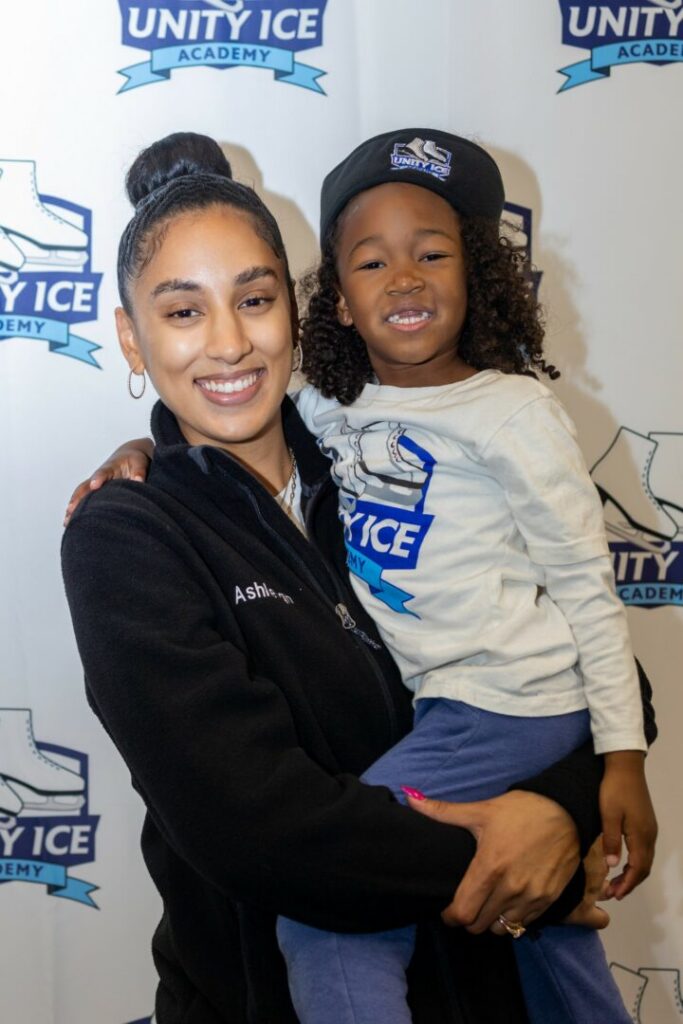
“At the rink I grew up in, at the competitions I competed in… there really just wasn’t anyone who looked like me during my whole skating journey,” she said. “As I got older, I just always longed for that representation.
By the time she was 12 or 13, Ellis was already imagining what it might feel like to have a place where skaters and coaches who looked like her could come together. As a teenager, those thoughts became more serious questions. Why weren’t there more kids like her skating? When she began asking her coaches and parents, the answers pointed back to some of figure skating’s most persistent barriers: cost and access. Even for those who found a way onto the ice, Ellis realized there was another hurdle that was harder to quantify, a sense of belonging.
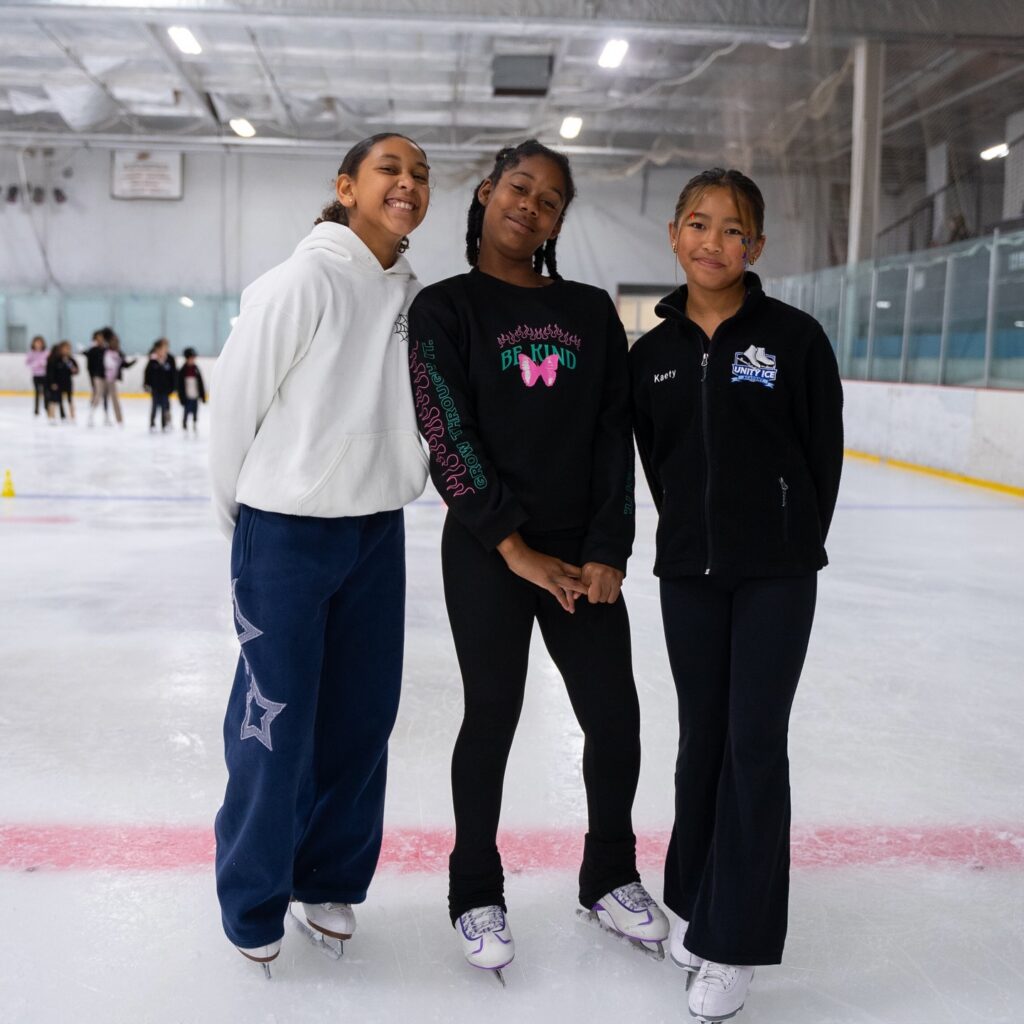
“Even if you started skating, it was always hard to continue and push forward when there really wasn’t a safe space for you to belong,” Ellis said. “Especially when you’re constantly being judged in competitions. It just never felt like… it always felt like you were an outsider.”
An Idea Becomes Unity
It would take years before that childhood idea became something tangible. Then came 2020. The world slowed down, Ellis was pregnant with her first son, her husband was working from home, and suddenly she had the time to sit with an idea that had followed her since childhood. She decided to write the business plan.
From there, she approached the process almost one question at a time. Could she turn it into a nonprofit? Could she raise the money? Could she actually get a program onto the ice? Unity Ice Academy became a 501(c)(3), Ellis held a small fundraiser, and eventually she decided she would try a month-long summer camp. She thought maybe 10 or 20 children would sign up.
The first evening registration went online, 60 kids signed up.
“I was like, ‘Oh my gosh, I don’t even know if we can handle 60 kids,’” Ellis remembered.
They handled them. For four weeks, Monday through Friday, the children received skating instruction, equipment and skates at no cost to their families. The first camp proved both that Ellis’ idea could work and that the need was far greater than she had anticipated. The program continued to expand in the years that followed, eventually reaching 100 children at its free summer camp this year.
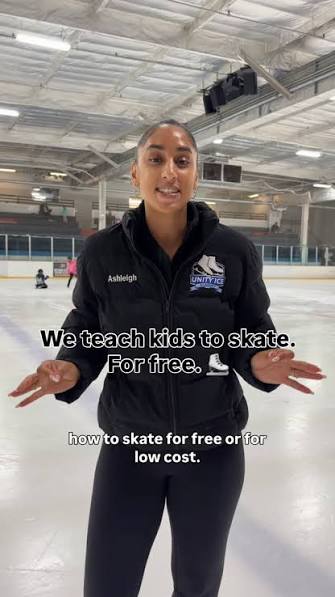
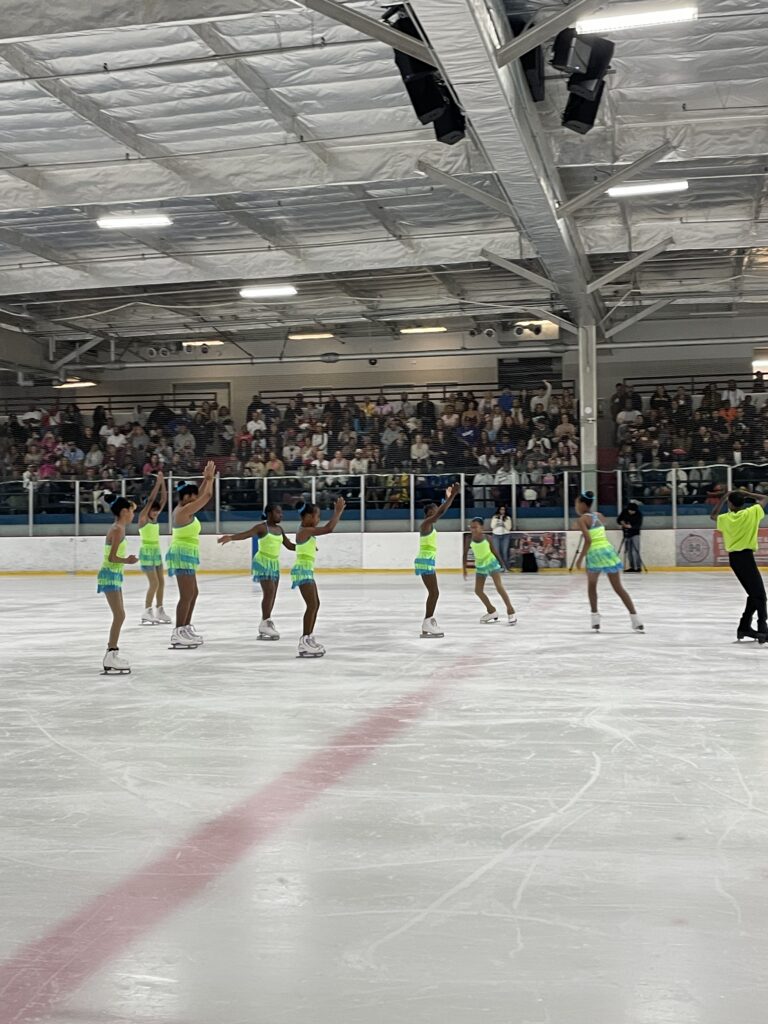
What began as an effort to simply get more kids onto the ice has since become something much larger. Most of Unity’s skaters arrive with no previous skating experience, but some have gone on to compete, join synchronized skating teams and even return as volunteers mentoring younger children. The organization has also created an after-school program that allows kids to continue skating once summer ends while receiving tutoring, meals, mentorship and a community that extends beyond the rink.
Seeing Yourself on the Ice
That sense of community was immediately visible at the recital, but perhaps nothing illustrated Ellis’ original vision more clearly than meeting Starr Andrews, Unity Ice Academy’s On-Ice Director. Andrews is a Team USA figure skater who made history in 2022 as the first African American woman to earn a singles medal at an ISU Grand Prix event. In 2023, she finished third at the U.S. Championships, becoming the first Black woman to reach the women’s singles podium there since Debi Thomas in 1988.
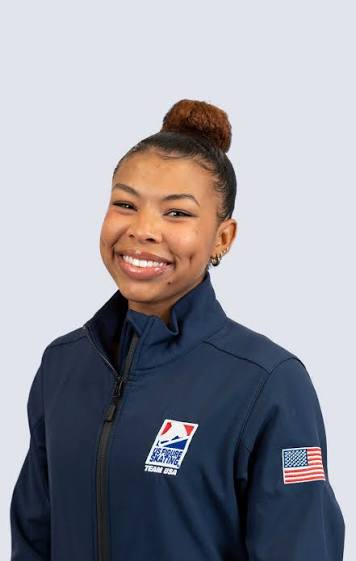
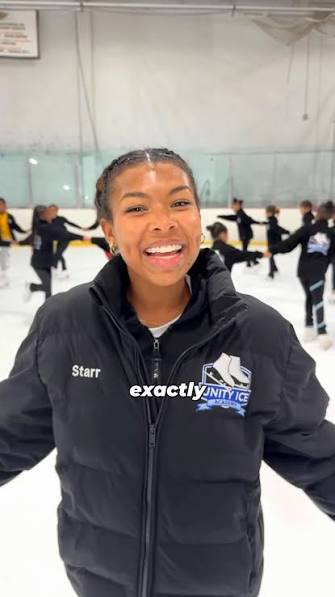
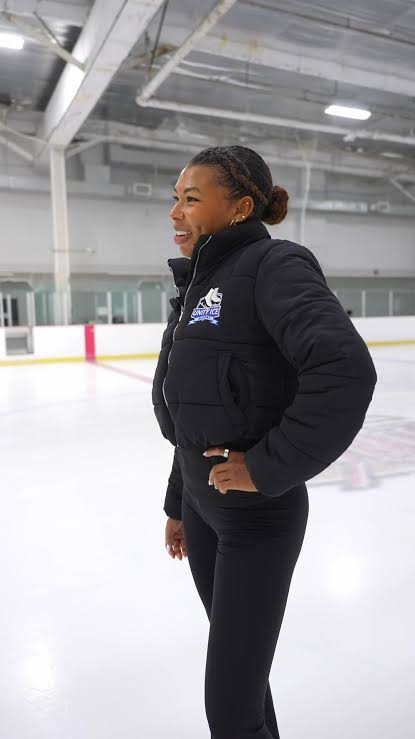
The significance of Andrews’ presence at Unity becomes even more striking when placed alongside Ellis’ own childhood. A young Ashleigh Ellis once wondered why she couldn’t find skaters or coaches who looked like her. Today, a Black girl arriving at Unity for her first lesson can look across the ice and see Starr Andrews coaching her. Representation is no longer something Unity has to explain in a mission statement; the kids can see it standing beside them at the boards.
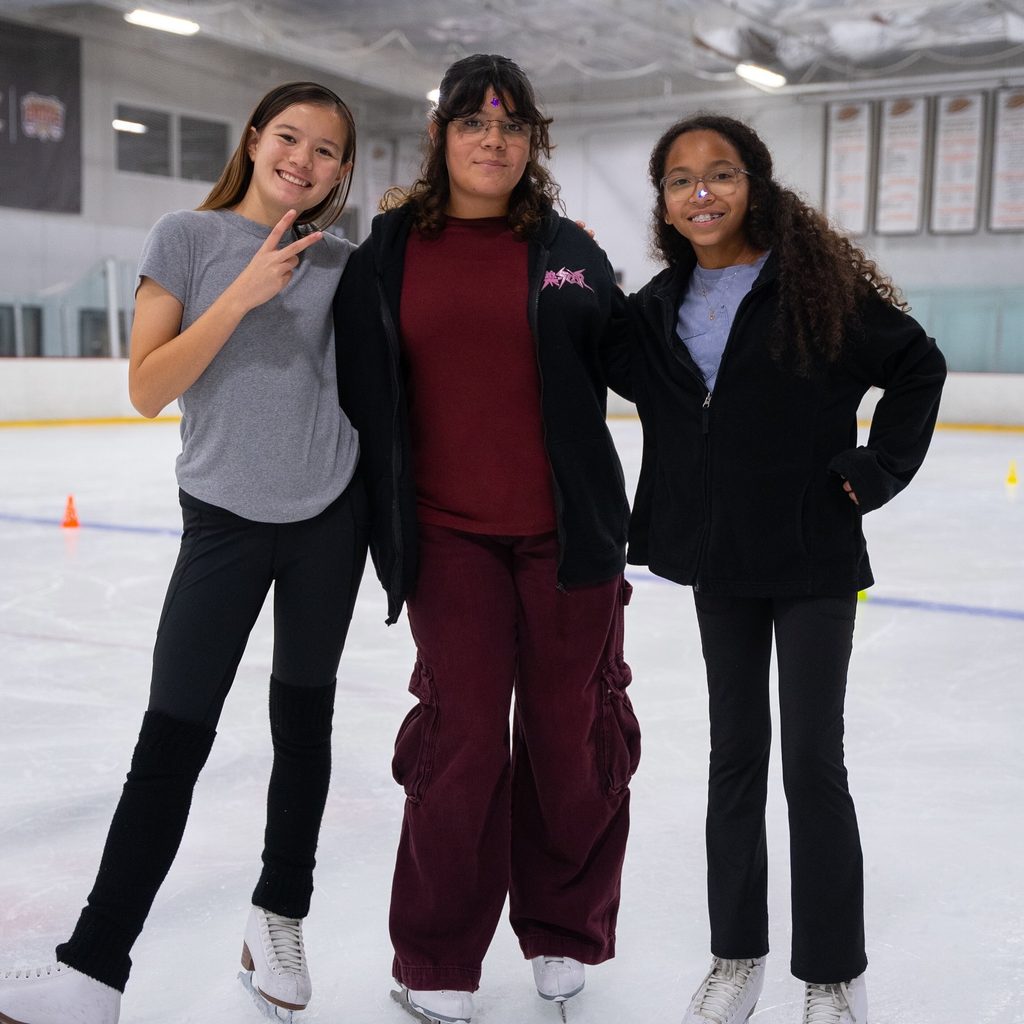
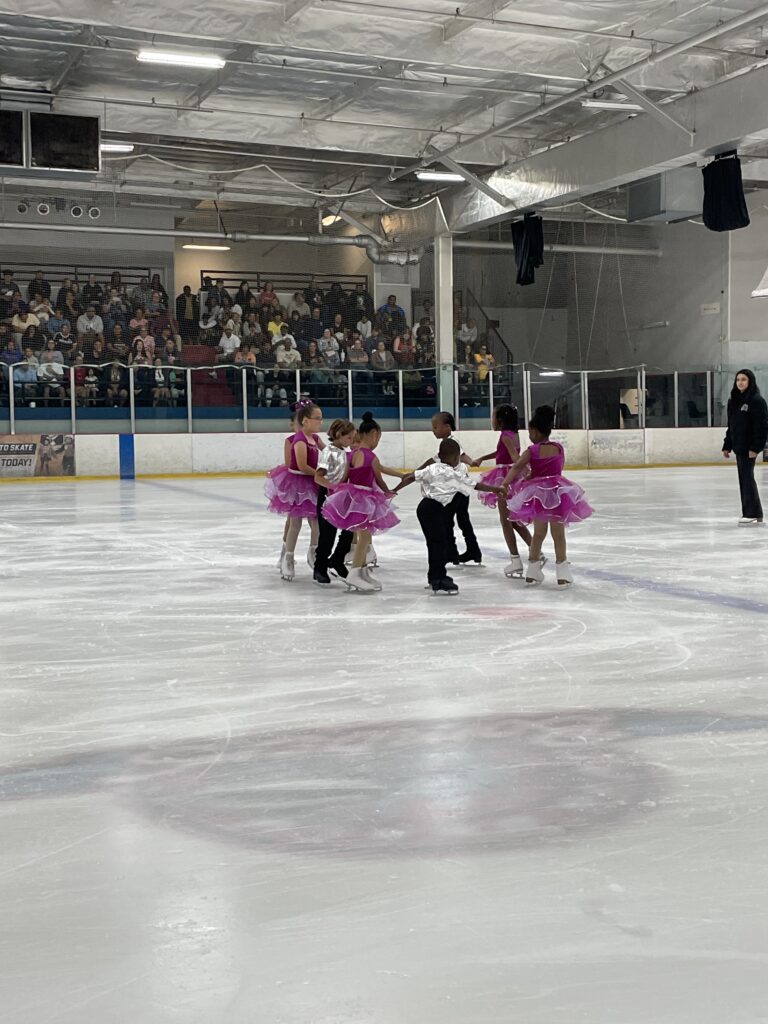
For Andrews, joining Unity also brings her back to the earliest part of her own relationship with skating: having fun, feeling free on the ice and remembering why she fell in love with the sport before medals and international competition entered the picture. Watching the recital, that joy was difficult to miss. Kids at different levels moved across the ice while their families watched from the stands, and somewhere in the middle of all of it, I found myself getting unexpectedly emotional.
Falling Is Part of It
Part of the emotion came from my admiration for women like Ellis and what it takes to build something from an idea. Part of it was watching all these diverse kids discover a sport that has historically been difficult for many families to access. But sitting rinkside, with my face getting progressively colder and finally understanding why everyone who wasn’t skating was bundled up in winter coats, I also remembered just how much I freaking love ice skating.
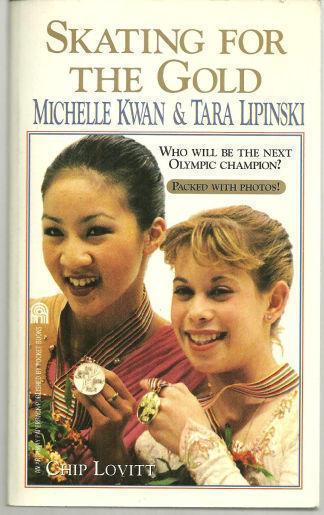
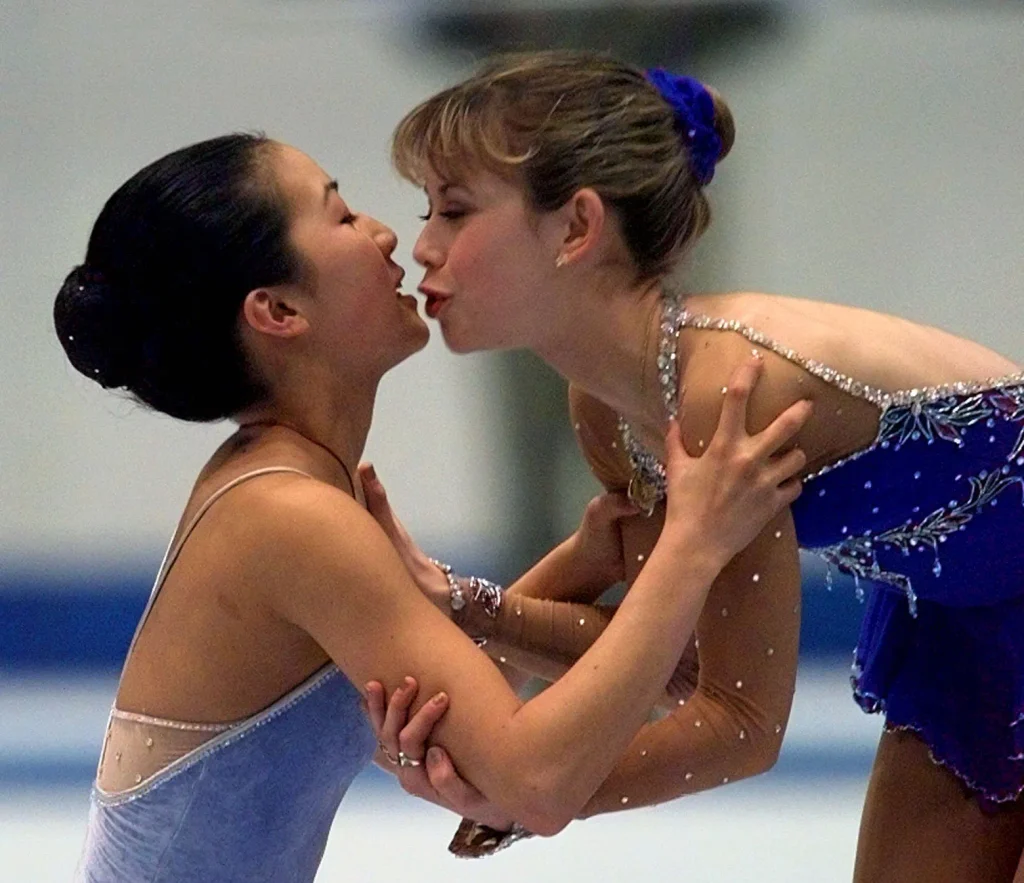
If you know me, you probably already know this: I have always been obsessed with ice skating. My grandmother and I used to sit together and watch the Winter Olympics, and some of my earliest vivid memories are of Tara Lipinski and Michelle Kwan. I remember the costumes, the music, the drama and how impossible it seemed that someone could move across ice like that. I was also completely obsessed with the animated movie Anastasia at the time, and I remember Lipinski skating to Aaliyah’s “Journey to the Past” from the film. It was like all of my favorite things had somehow collided on the ice. Watching her skate, and ultimately win Olympic gold, felt like pure magic. There was something about the combination of the music, the movement and the fearlessness of it all that stayed with me long after my grandmother and I turned off the television.
Naturally, at some point I decided that perhaps I could do this too. Years later, during a family retreat, I attempted to ice skate in front of basically my entire extended family with absolutely no training. Somehow, it was actually going pretty well. Apparently, going well was all the encouragement I needed to decide that simply remaining upright wasn’t ambitious enough, so I attempted a jump. I fell directly on my face. I still have the scar to prove it.
Maybe that experience is part of the reason I became so fascinated by the kids who fell during Unity’s recital. Some of the most exciting young skaters to watch weren’t necessarily the ones who stayed perfectly upright. Often, the ones hitting the ice were the ones attempting something bigger, a jump, a turn, a move that another kid might not have been ready, or daring enough, to try yet. They would fall, get up and keep skating.
Sitting there watching them, it occurred to me that figure skating might be one of life’s more perfect metaphors. In most sports, you know getting hurt is a possibility, but you don’t walk onto the court or field expecting to fall. In skating, falling is practically written into the process of getting better. If you’re going to learn to jump, turn and push past what you already know how to do, at some point you are going down. You know you may fall. You know you may bruise. You know it might hurt, and you try the thing anyway. There is something extraordinarily fearless about that, particularly when you’re watching children learn it in real time.
More Than a Summer Camp
The joy visible during a recital is only one side of what it takes to create a program like Unity. Darlene Sparks, Unity’s Director of Operations, is responsible for much of what happens behind the scenes, from communicating with parents and coordinating skates and costumes to ensuring the program has quality coaches and that families understand what is happening. At its most fundamental level, she told me, her responsibility is making sure the kids are safe and having fun.
Ask Sparks why she does it, though, and the logistics quickly give way to emotion. She talked about children arriving excited for camp, watching friendships form and seeing the happiness on their faces as they learn to glide across the ice. “Every family, every child has a story and a background,” Sparks told me, “and we’re giving them something that they necessarily wouldn’t have been exposed to or had.”
For Ellis, the challenge became figuring out how to make sure that opportunity didn’t disappear once summer ended. Initially, Unity would help children move into other Learn to Skate programs, subsidizing costs and providing scholarships where it could. Last year, the organization launched its own after-school programming, allowing young skaters to continue developing within Unity throughout the school year.
The results are already showing. Unity’s first synchronized skating team competed in three competitions last season and took first place in all three. Ellis admitted she hadn’t expected that kind of immediate competitive success. Now Unity is forming two additional synchronized skating teams, bringing the organization to three competitive teams alongside its free summer camp and after-school programming.
The medals are exciting, but listening to Ellis talk, it becomes clear that winning competitions was never the point. The larger goal is creating the access, continuity and belonging she wished she had seen more of as a young skater.
A Unity at Every Rink
Unity is already facing one of those problems organizations dream of having until they actually have to solve it: more children want to participate than the program can currently accommodate. Ellis said hundreds of children have been on its waitlist, and one of her immediate goals is reaching the point where every child who wants the opportunity can have it.
The vision is also beginning to extend beyond Los Angeles. As Unity has shared more of its work online, Ellis says people from other states and even other countries have reached out asking how they could create something similar in their own communities.
“I hope that one day there will be a program like Unity Ice Academy at every rink,” Ellis said, “because really, there should be an opportunity for all kids to be able to find the joy of skating, and also find the lessons that you learn through skating.”
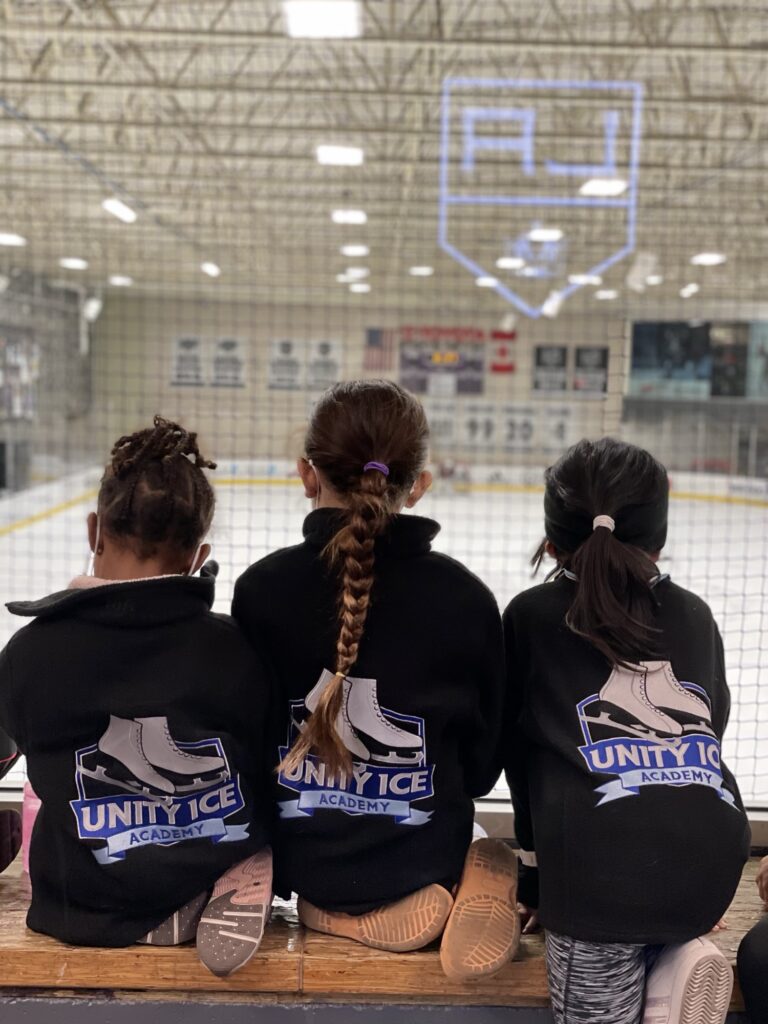
For Ellis, that also means making sure a child isn’t excluded simply because of cost or because of what they look like. In the next phase of Unity’s growth, she hopes the organization will eventually have a facility of its own, a permanent home where more children can skate, receive tutoring, have meals and spend time somewhere designed to be safe and welcoming for them.
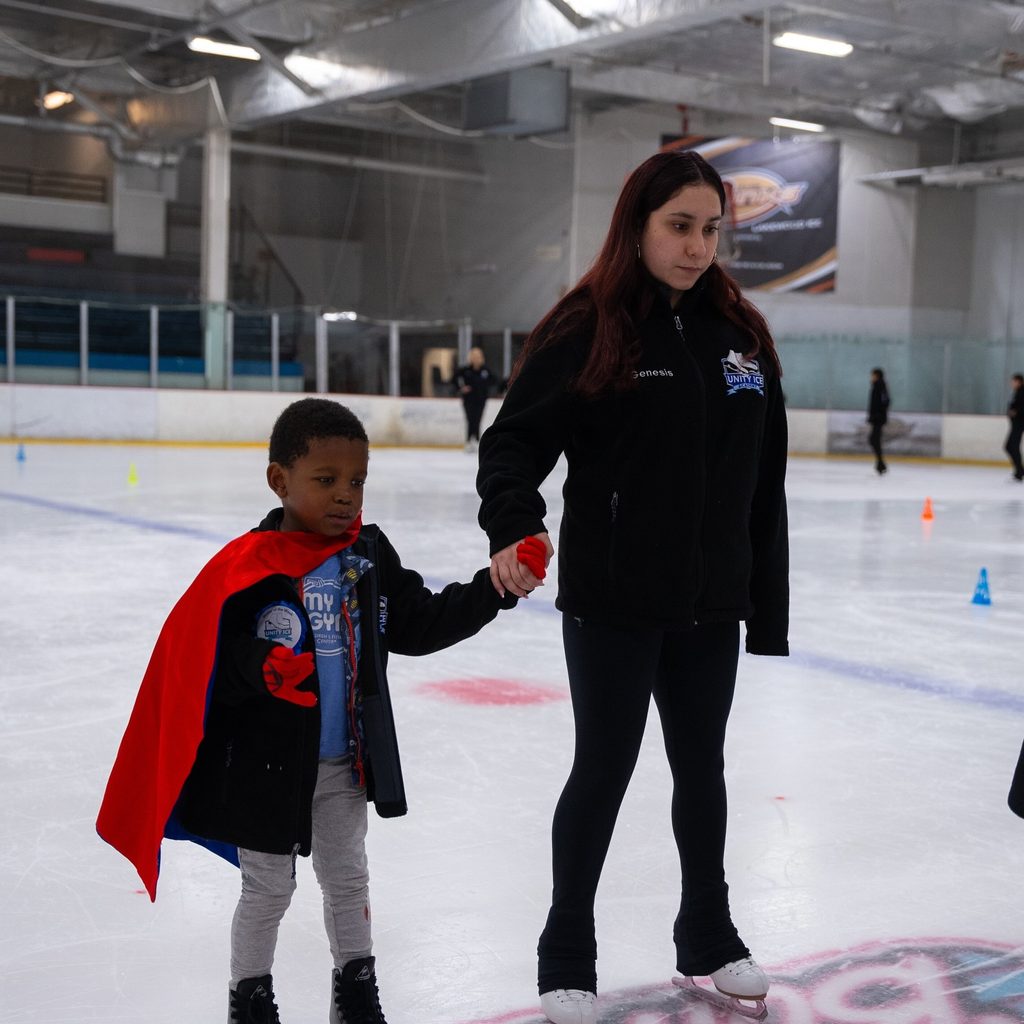
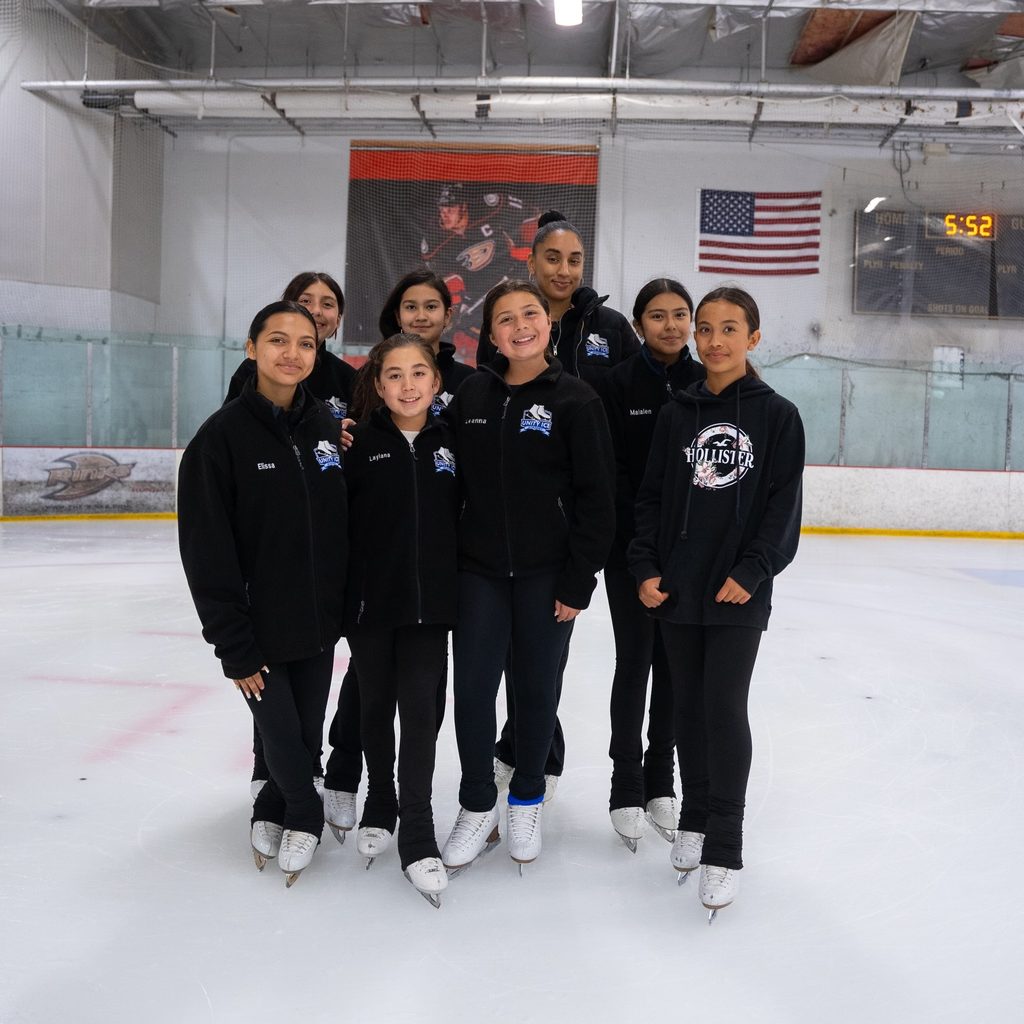
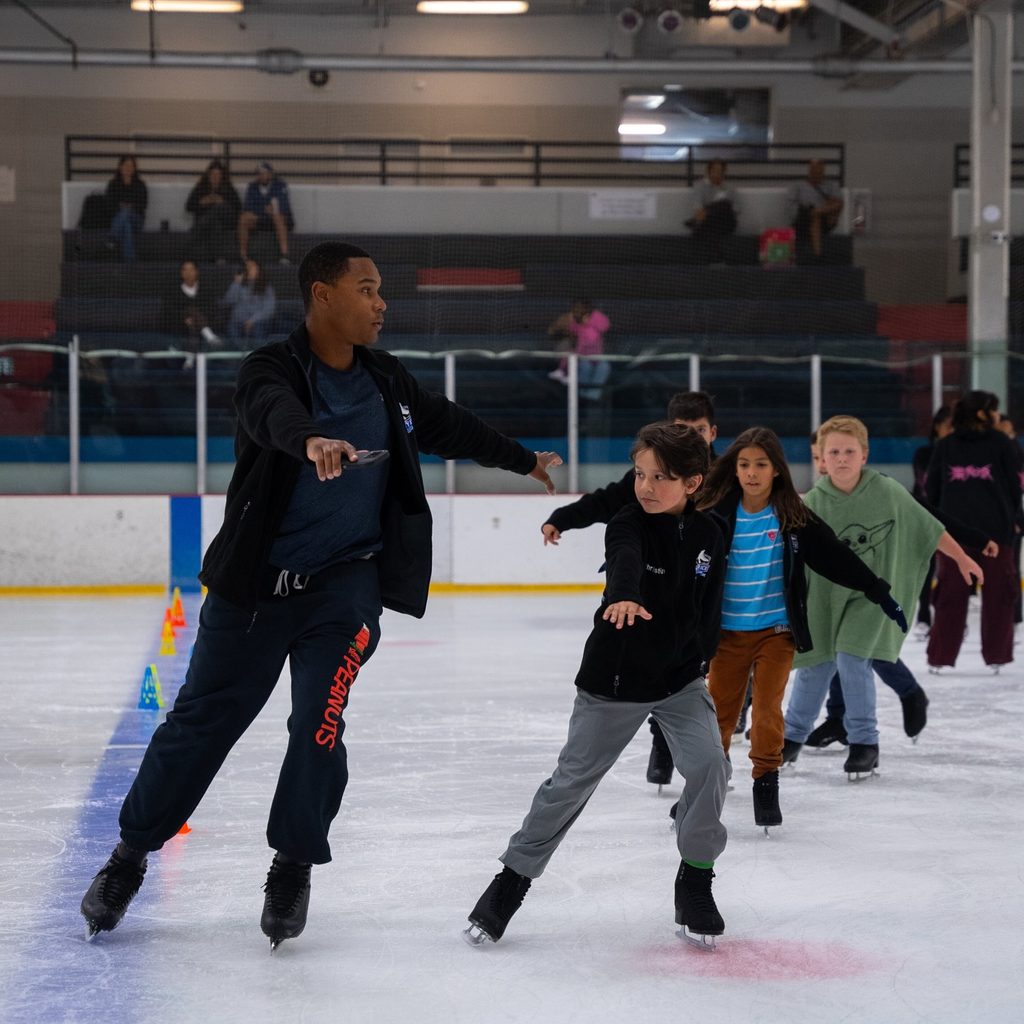
As I sat watching the recital, though, it struck me that Ellis has already created something that is harder to build than a facility. She has created a space where kids are given permission to imagine themselves somewhere they might never have imagined they belonged. They can be new at something. They can be ambitious. They can watch someone like Starr Andrews skate and understand that excellence in this sport doesn’t have one face.
As for me, I’ve already proven I’m willing to fall. So dammit, maybe one of these days I’ll finally let Ashleigh teach me how to land the thing.
Video Interview
