




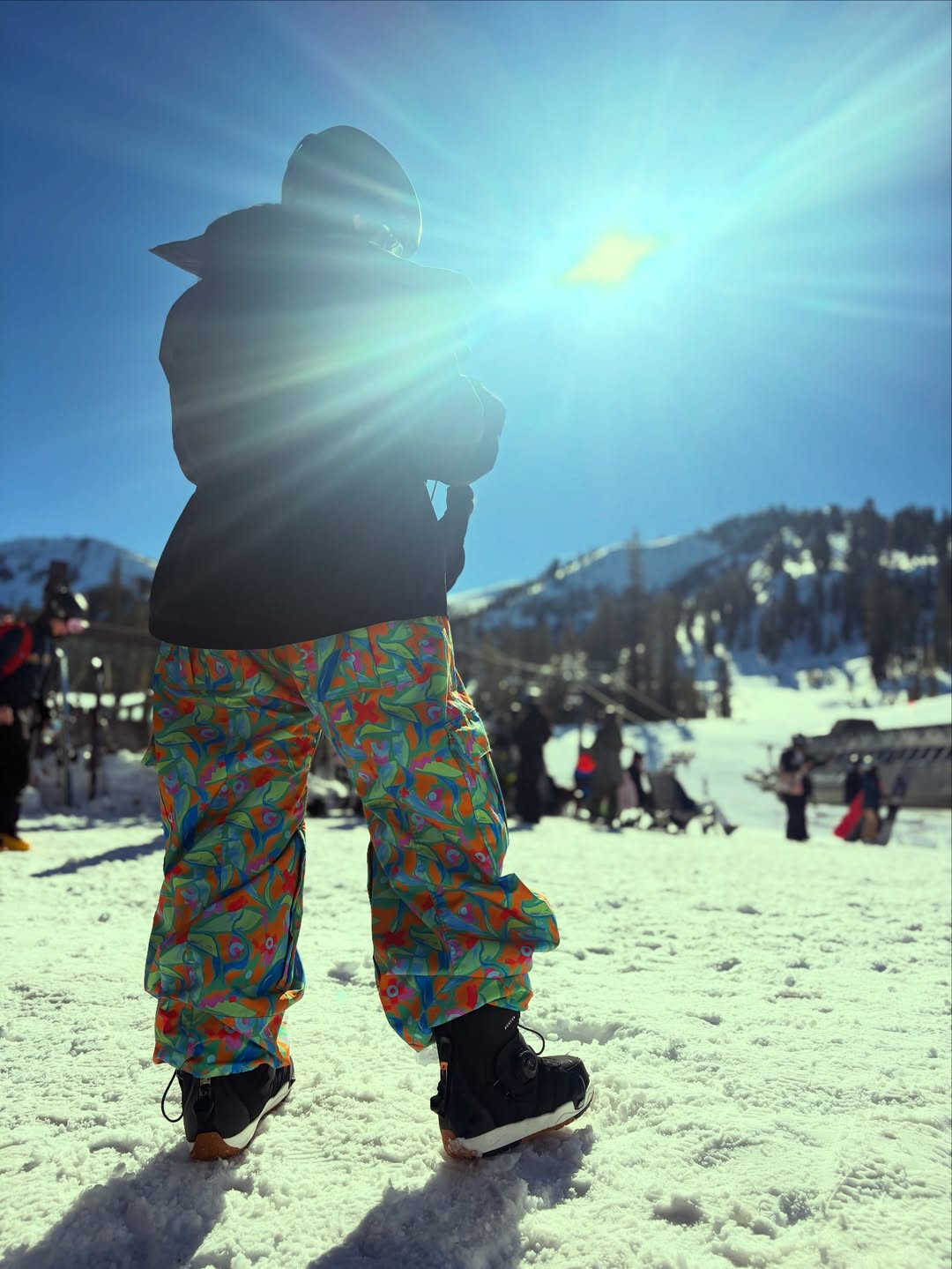
How Sasha Swedlund is reimagining snowboarding fashion through art, sustainability, and her lifelong love of sports
When Sasha Swedlund talks about fashion, she doesn’t start with runways. She starts with gymnastics.
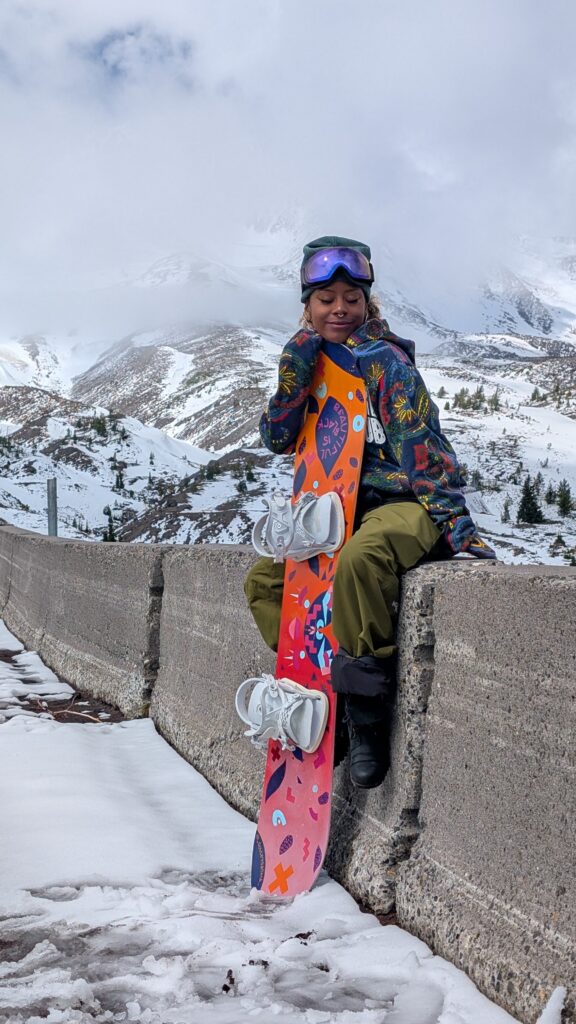
Growing up in Sonoma County, California, Swedlund spent her childhood balancing ballet classes, competitive gymnastics, art projects, and outdoor adventures. Long before she would show work during London Fashion Week or design custom garments for red carpet appearances, she was a kid bouncing off couches and convincing her parents to let her spend even more time moving.
“I took one gymnastics class and that was it,” she recalls. “It was game over from then.”
For nearly a decade, gymnastics shaped her life. The sport taught her discipline, creativity, and an appreciation for movement that would later influence her approach to design. At the same time, another influence was quietly taking shape at home.
Her mother wasn’t a fashion designer, but she loved textiles. Fabrics, tapestries, and handmade pieces from around the world filled their home. Swedlund grew up surrounded by color, pattern, and craftsmanship.
“I’ve been around print and color my whole life,” she says.
Fashion wasn’t necessarily the obvious destination. In fact, her journey into art happened almost by accident. After missing the deadline for her high school’s dance program, she enrolled in the school’s art program instead. What initially felt like a disappointment became the beginning of an entirely different future.
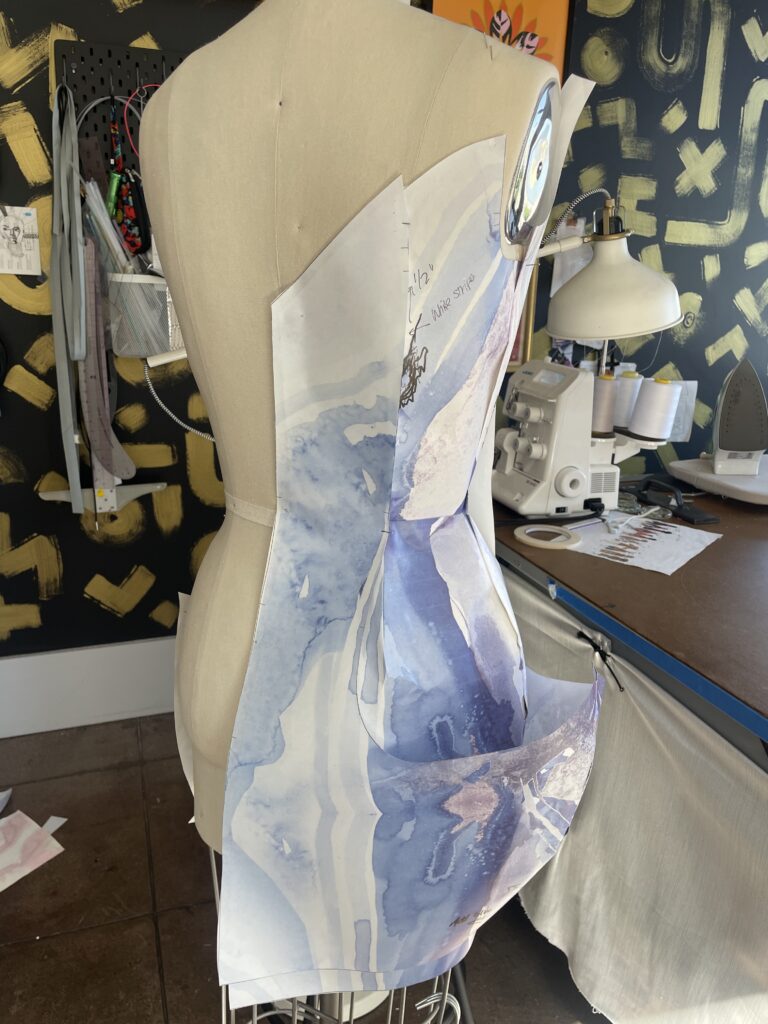
Painting, drawing, screen printing, and graphic design soon became obsessions. Later, while studying art, a professor encouraged her to explore textiles and traditional Japanese weaving and dyeing techniques. Suddenly, everything clicked.
Fashion offered something unique. It allowed her to combine fine art, graphic design, storytelling, and movement into a single discipline.
That combination eventually led her to Los Angeles, where she enrolled in FIDM’s (Fashion Institute of Design & Merchandising) textile design program and immersed herself in the technical side of the industry. She learned textile science, sourcing, pattern development, and fabric construction. She worked at Ragfinders, one of Los Angeles’ oldest deadstock fabric warehouses, helping designers source materials for everything from independent labels to film and television productions.
Then came one of the biggest milestones of her career: London Fashion Week.
At the time, Swedlund believed avant-garde fashion might be her future. Her work leaned heavily into wearable art, experimental silhouettes, and one-of-a-kind statement pieces. Showing during London Fashion Week seemed like confirmation she was on the right path.
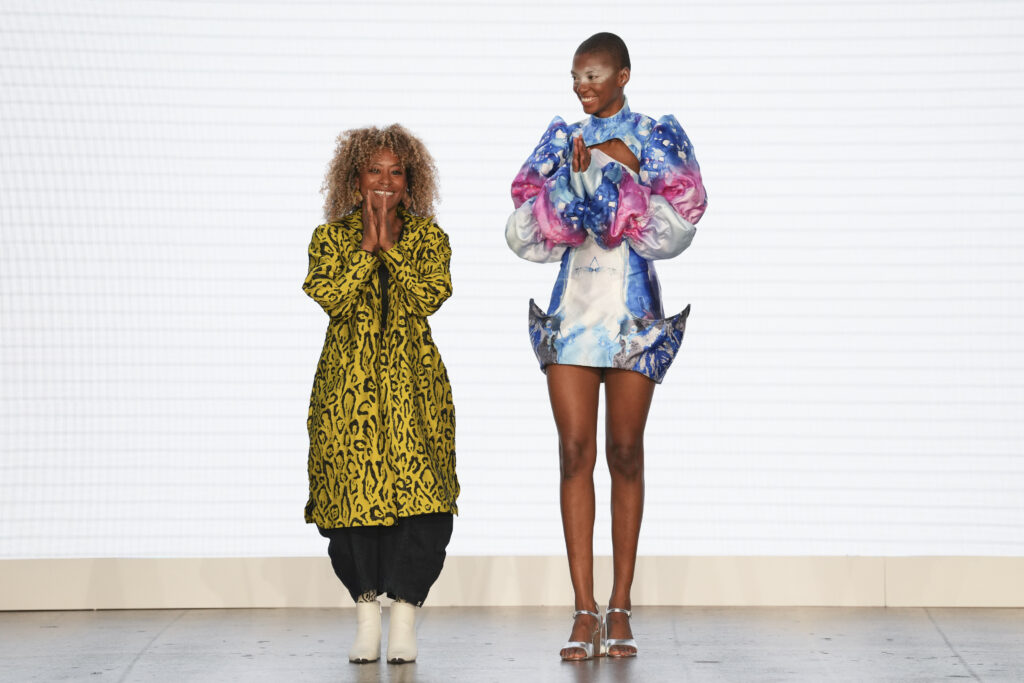
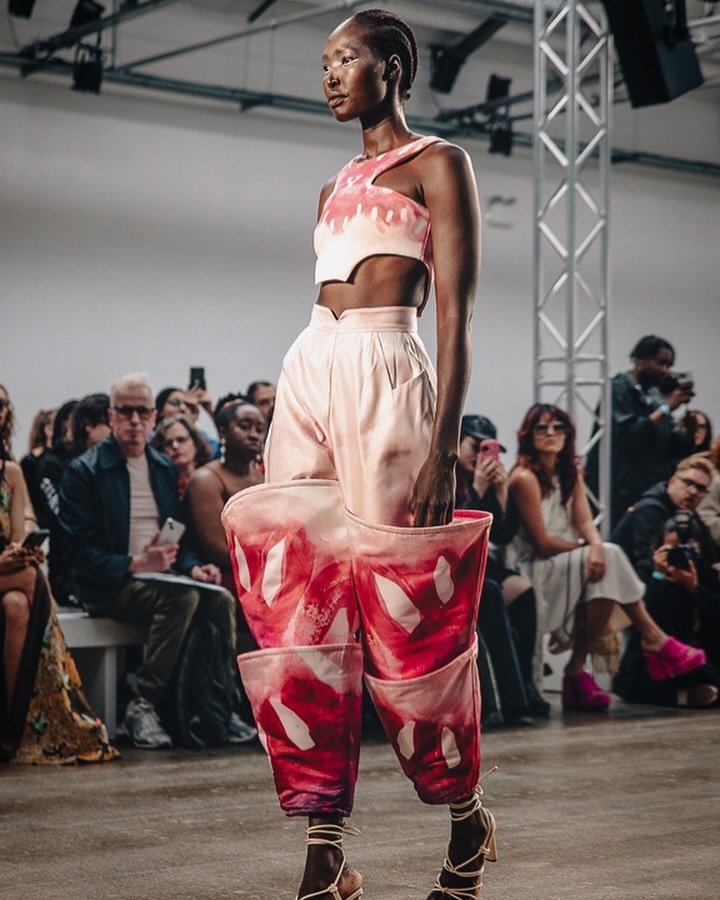
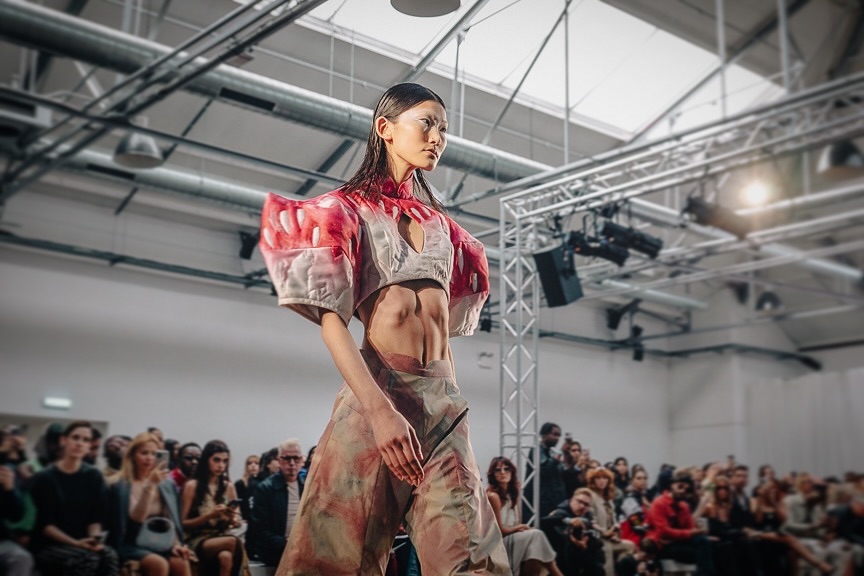
But something unexpected happened. Instead of feeling certain, she felt disconnected.
After returning home, she realized that customer she imagined wasn’t necessarily in Los Angeles. “My customer base is in Japan, they’re in London, they’re in Lisbon, they’re in South Africa,” she says. “They’re not here in LA.”
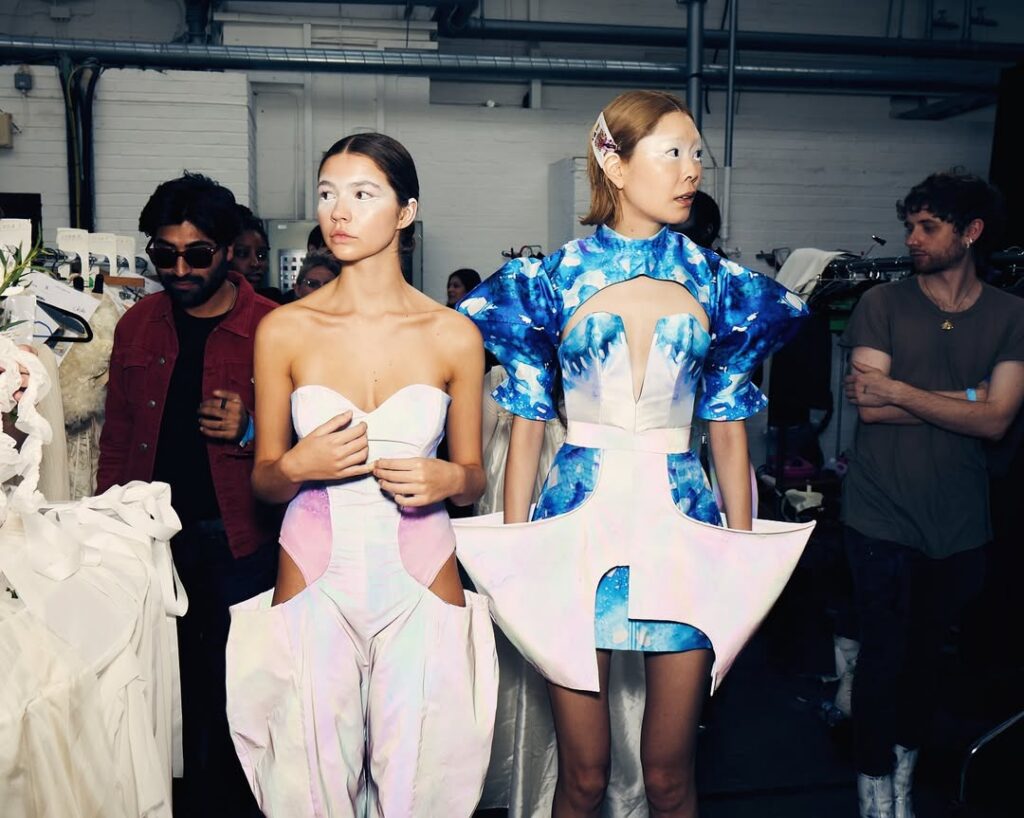
The experience forced her to ask a bigger question: What kind of designer did she actually want to be?
The answer arrived not on a runway, but on a snowboard.
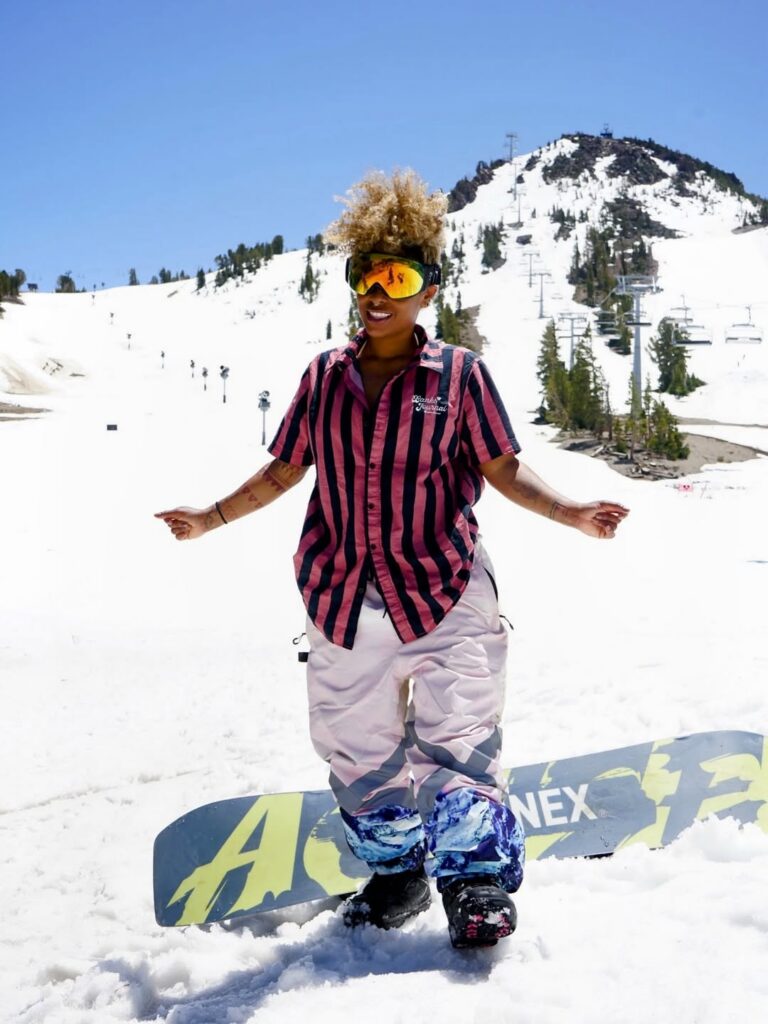
After years away from the sport due to a serious concussion, Swedlund decided to return to snowboarding in 2025. When friends backed out of a planned trip to Tahoe, she went alone.
That trip changed everything.
She met riders from across California and discovered vibrant Black and Brown snowboarding communities that challenged many of the stereotypes surrounding outdoor sports. More importantly, she rediscovered a feeling she hadn’t experienced in years.
“Getting back into snowboarding and having that feeling of, ‘Oh, this feels like gymnastics,'” she says, was transformative.
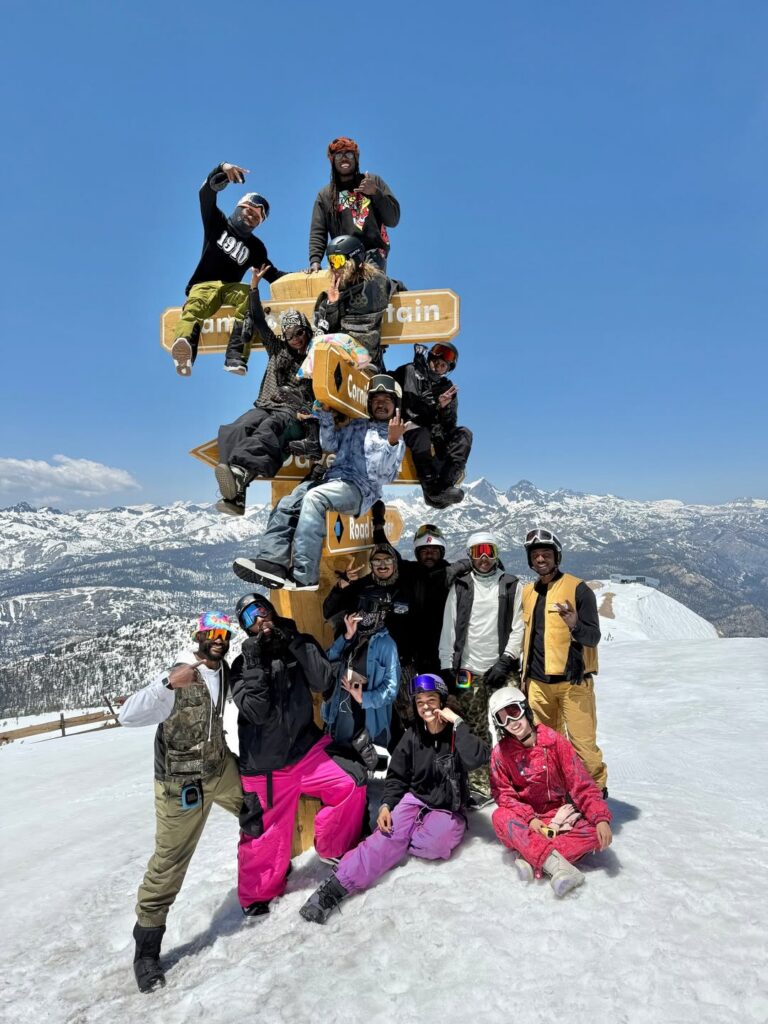
As she spent more time on the mountain, another realization emerged. The gear wasn’t reflecting the culture she was experiencing.
“I just wasn’t seeing the stuff I wanted to wear,” she says. “The silhouettes are very similar. The pattern blocking is similar.”
For a designer whose work was rooted in color, global textile traditions, and graphic storytelling, the options felt limited. She decided to build something herself.
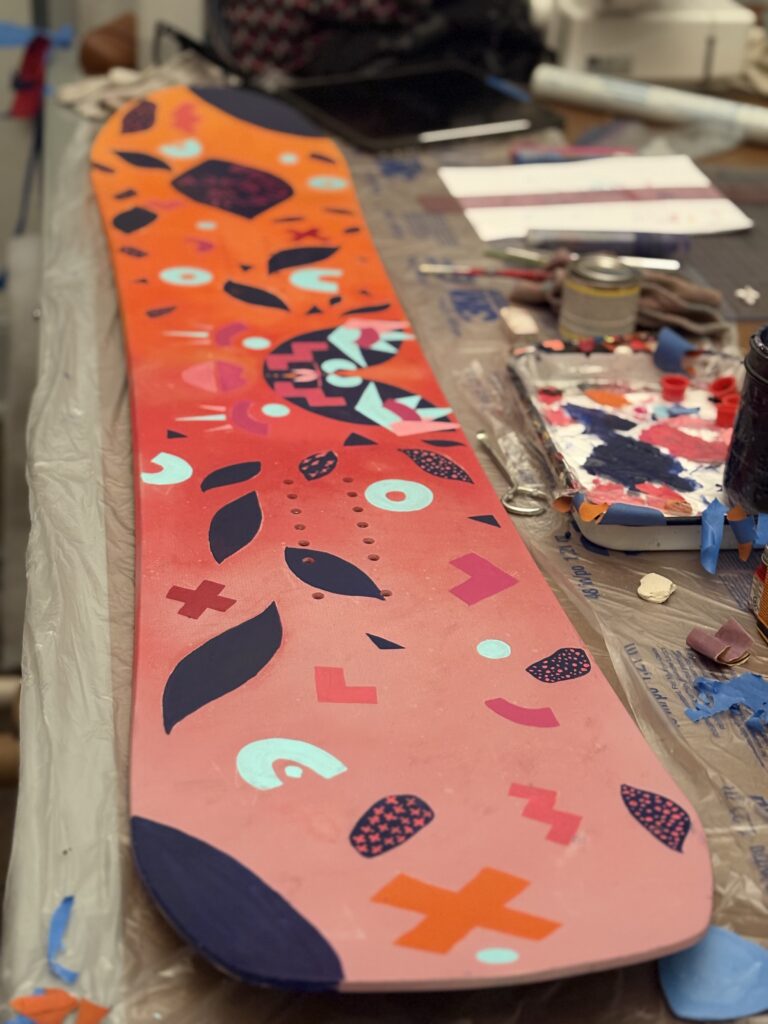
“No one’s making what I want to see. I’m just going to make it.”
Today, Xasha sits at the intersection of fashion, performance, and culture. Swedlund’s designs draw inspiration from streetwear, snow sports, global textile traditions, and California’s unique outdoor lifestyle. The pieces feature bold prints, vibrant colors, and graphic storytelling that stand apart from the neutral palettes and repetitive silhouettes that dominate much of the snow sports market.
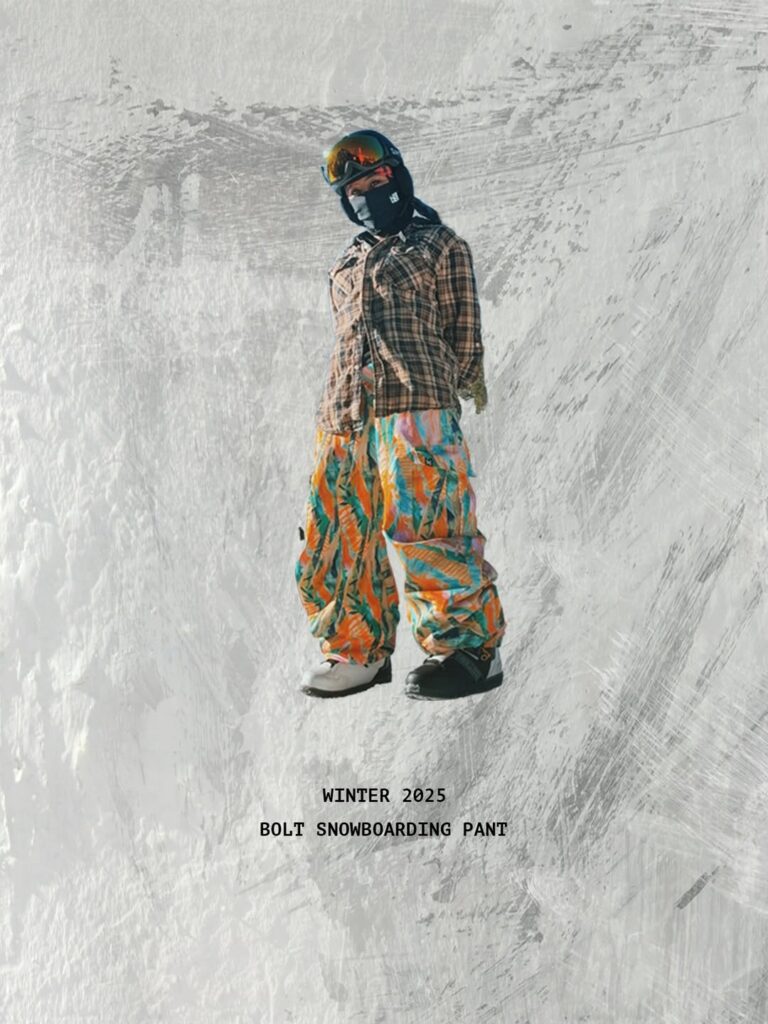
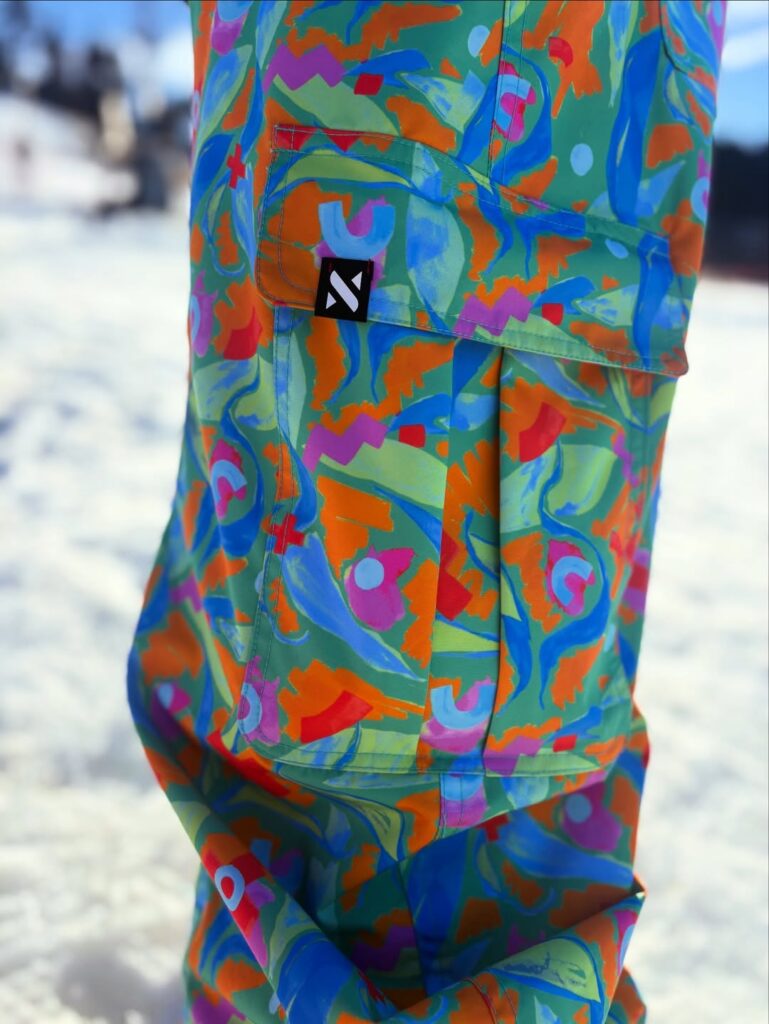
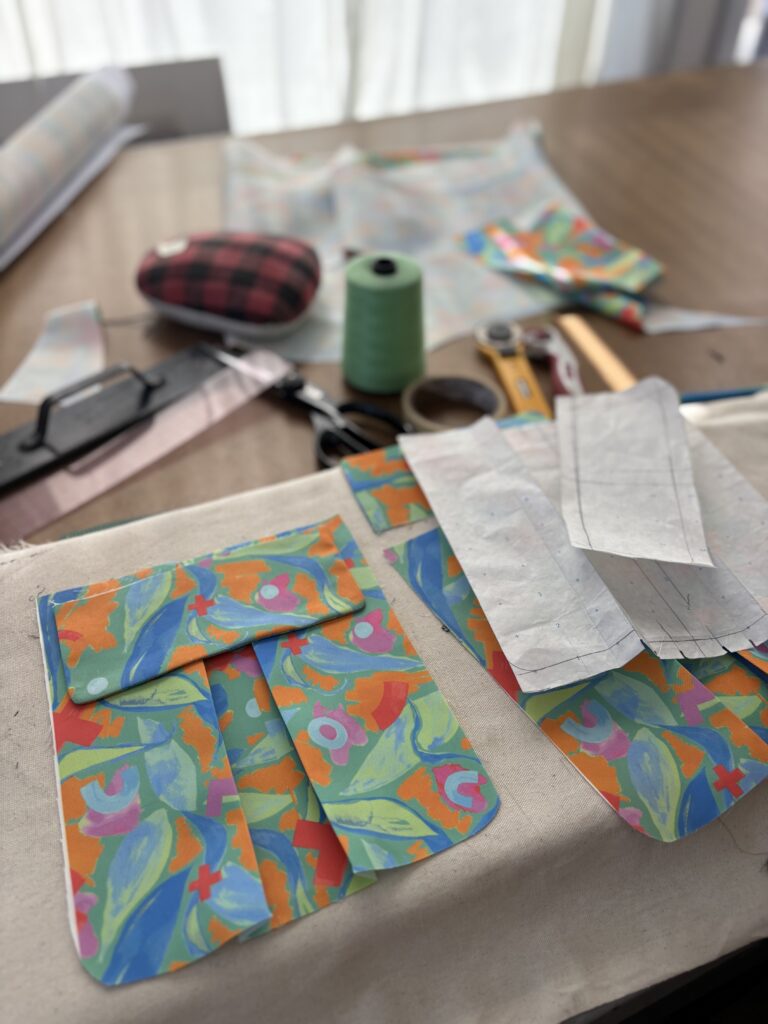
For Swedlund, creating something visually different isn’t enough. Every design begins with a technical challenge. Snowboarding apparel must withstand harsh weather, repel water, regulate temperature, and perform under demanding conditions. That means sourcing specialized fabrics, performance trims, waterproof materials, and construction methods that most fashion designers never have to consider. What looks effortless on the mountain often requires months of research, testing, and development behind the scenes.
Her goal is to prove that riders shouldn’t have to choose between style and performance.
“I want to bridge the gap of streetwear with a hint of avant-garde and a little bit more fashion-forward for snow,” she says.
The vision for Xasha extends far beyond clothing. Swedlund hopes the brand becomes a platform that celebrates the growing diversity of outdoor sports and highlights communities that have historically been overlooked in the industry. Inspired by the Black and Brown snowboarders she met while traveling through Tahoe and Mammoth, she sees fashion as a way to make the sport feel more welcoming and representative of the people already helping shape its future.
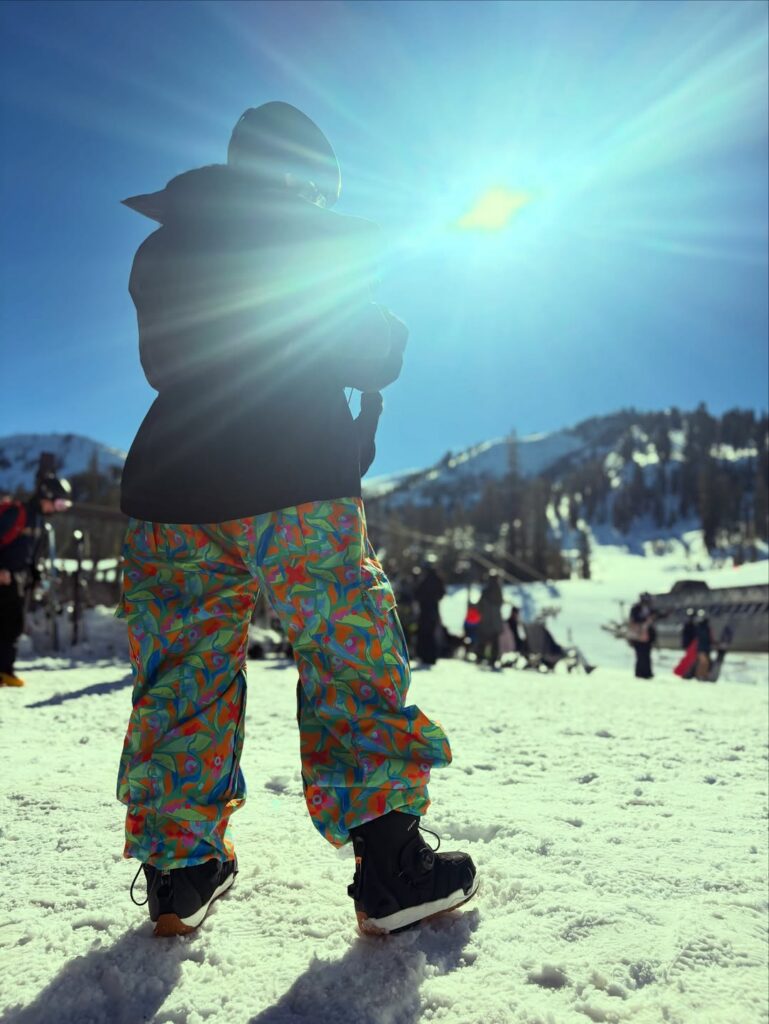
In the coming years, Swedlund plans to expand production, grow Xasha’s social presence, and collaborate with athletes, creators, and outdoor brands that share her values. Companies like Burton, Patagonia, The North Face, and REI are among the dream partnerships she hopes to pursue as the brand continues to grow. At the same time, she remains committed to small-batch production, ethical manufacturing, and creating products that feel intentional rather than disposable.
For now, she’s focused on securing funding, growing inventory, and preparing larger seasonal drops that showcase the full range of what Xasha can become. But listening to Swedlund talk about the future, it becomes clear that she’s building more than a fashion label. She’s creating a vision of what snow sports can look like when performance, creativity, sustainability, and community all exist in the same space.
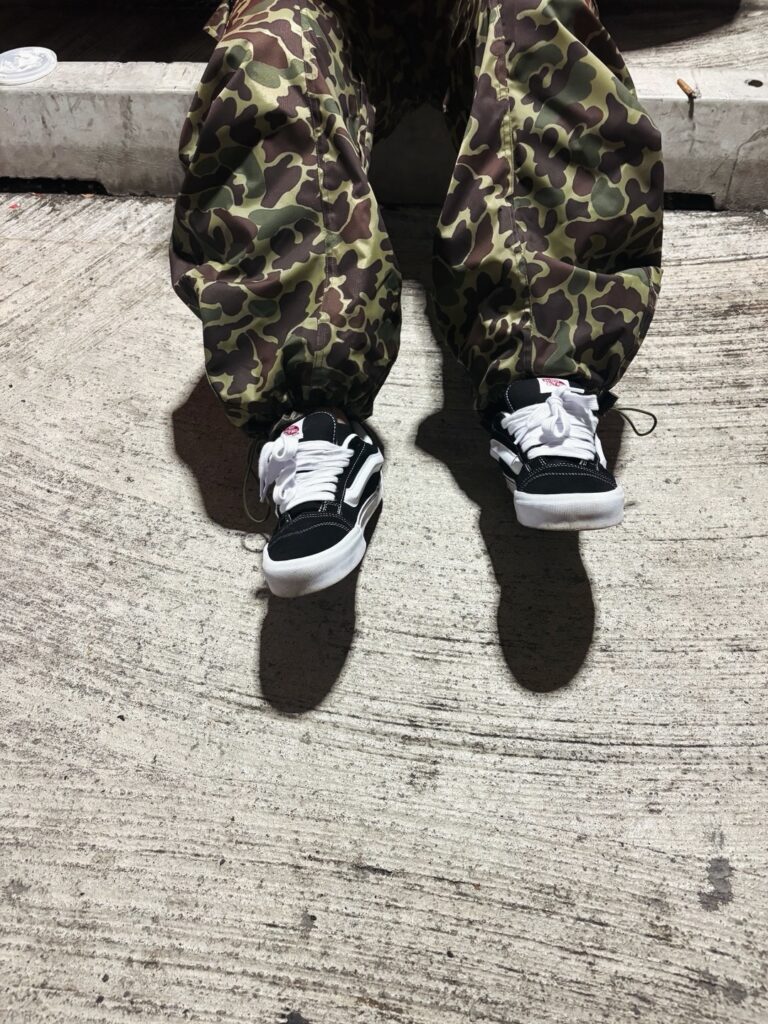
While building Xasha, Swedlund has continued creating custom pieces and red carpet looks. One of her favorite projects involved designing a custom garment for dancer and influencer Storm DeBarge through a collaboration connected to Netflix’s *The School for Good and Evil* premiere. Inspired by the film’s themes of fantasy, royalty, and femininity, Swedlund hand-painted gemstone motifs, transformed them into a custom textile print, and developed a one-of-a-kind look tailored specifically to DeBarge’s personality and style.
The process of creating for a client is deeply personal. Before sketching a single design, Swedlund spends time learning what makes someone feel confident, what colors they gravitate toward, and just as importantly, what they never want to wear.
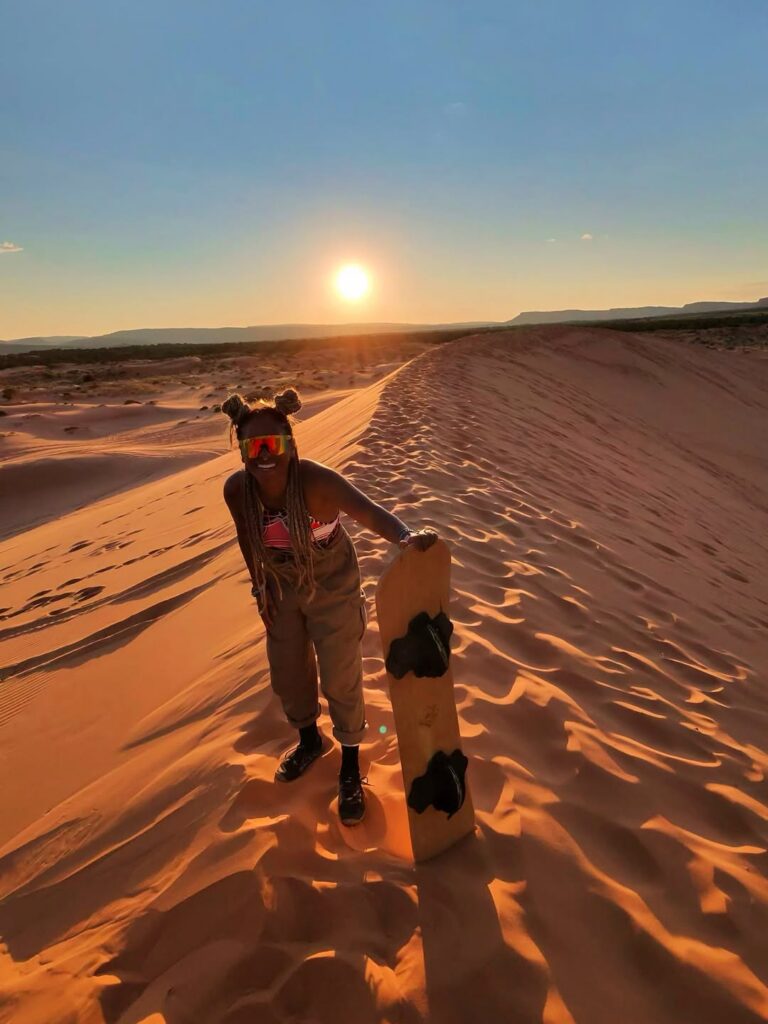
“I like to know exactly what they don’t like,” she says. “Not just what they like.”
That attention to detail helps create garments that feel authentic to the person wearing them. For Swedlund, fashion isn’t simply about making something beautiful. It’s about helping someone feel like the best version of themselves.
Watching those designs come to life never gets old.
“You have this moment halfway through where you’re like, ‘I don’t know if this is going to work,'” she says. “Then when it comes together, you’re like, ‘This is so dope.'”
As our conversation came to a close, her advice for young creatives felt strikingly similar to the philosophy that has guided her own career.
“Make what you want to make that you feel is needed in the world,” she says. “Don’t let anyone tell you no.”
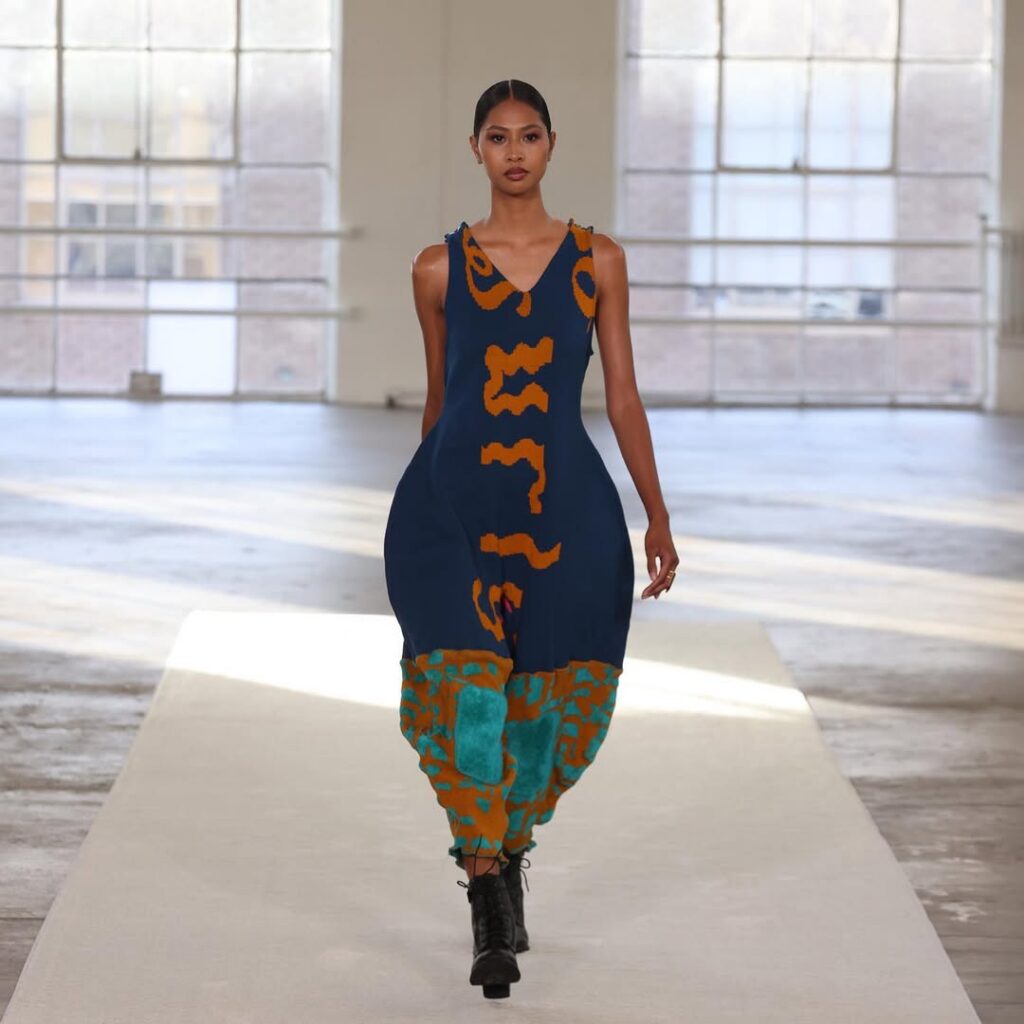
She also emphasizes the importance of finding community. “Find your people,” she says. “Being able to have other people that you can work with and collaborate with and have your back makes everything so much better.” It’s fitting advice from someone whose own path has been shaped by unexpected communities, from gymnastics teams and art studios to snowboarders on California mountains.
Before we wrapped our conversation, we asked Swedlund one final question: What does being a Neon Gurl mean to her?
She paused for a moment before answering.
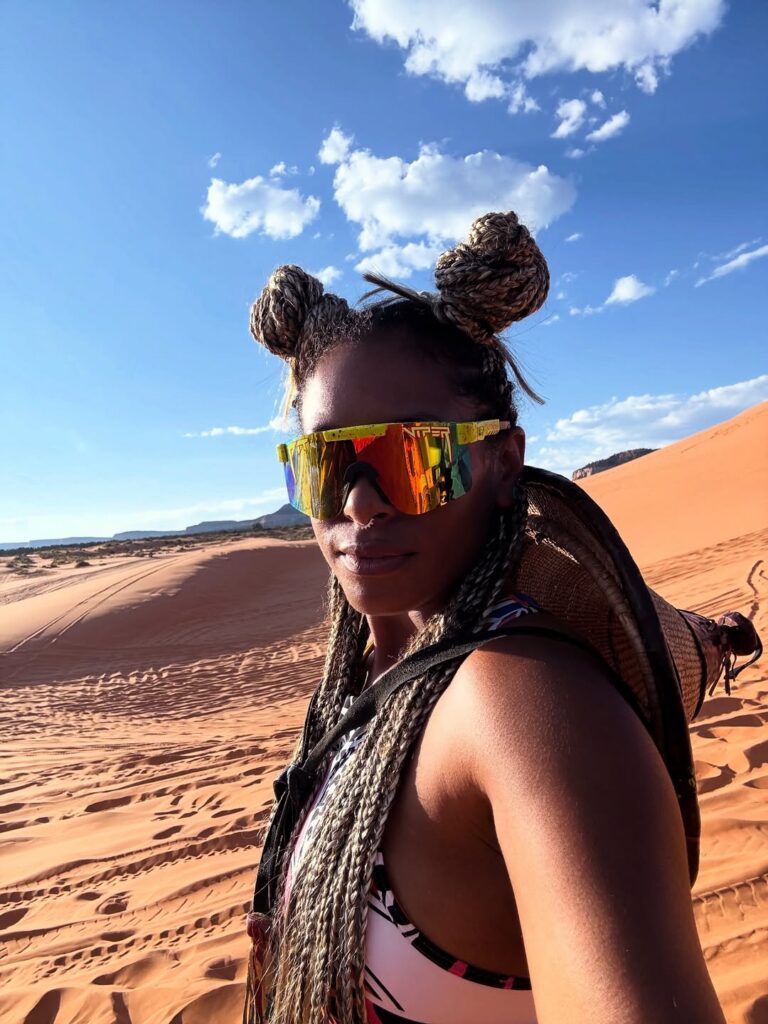
“Being bold, being strong, being… 100% authentically myself.”
If you’ve made it this far in Swedlund’s story, that answer probably doesn’t surprise you. After all, the most interesting thing about Sasha Swedlund isn’t that she showed designs at London Fashion Week.
It’s that she could have stayed there.
Instead, she looked at California’s mountains, its culture, and the people riding them and decided there was a different story worth telling. Through Xasha, she’s telling that story one design at a time.
