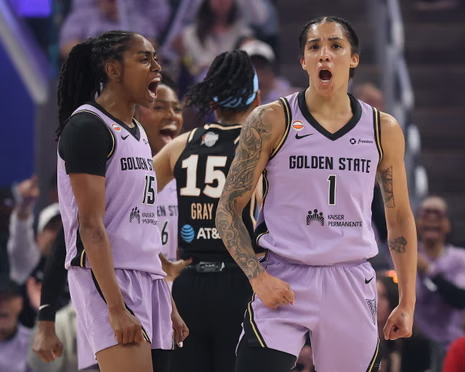
In a winner-take-all Game 7 that could have belonged to either team, Golden State’s Gabby Williams delivered a performance for the ages, leading the Valkyries to their first WNBA title.
By Neon Gurl Sports | November 1, 2026
Some championships are won through dominance. Others are won through strategy, execution, and a little luck. But every so often, a championship comes down to something less measurable: the sheer determination of a player who refuses to lose.
On Saturday night at San Francisco’s Chase Center, that player was Gabby Williams.
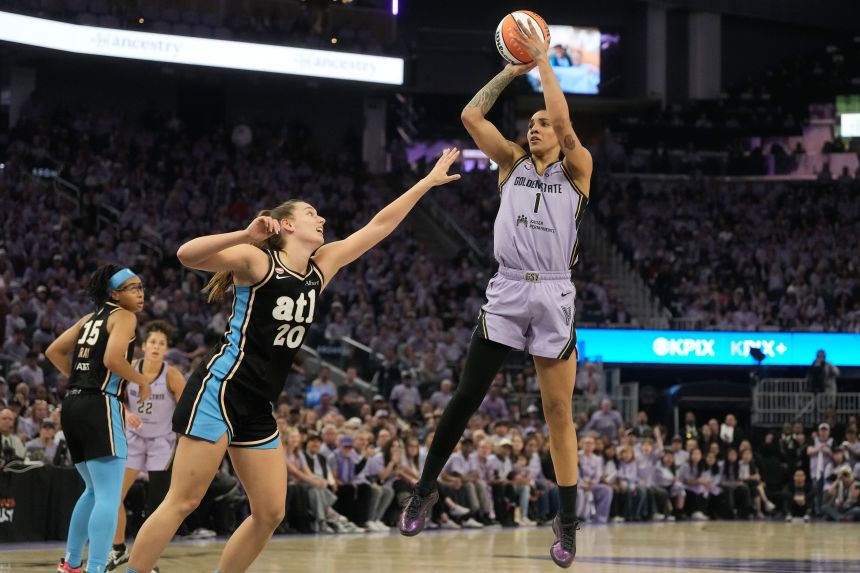
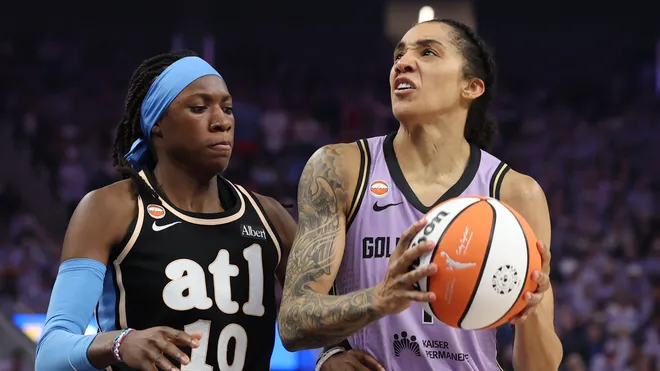
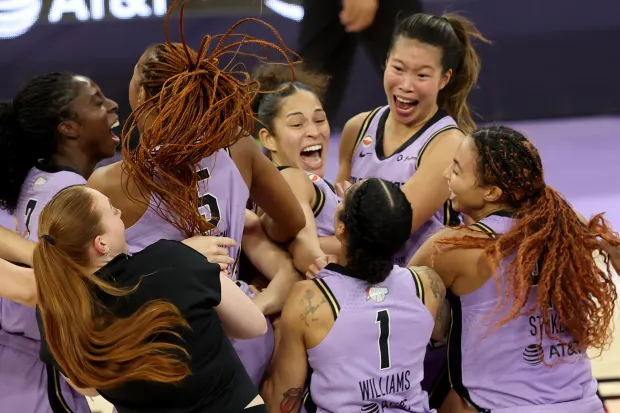
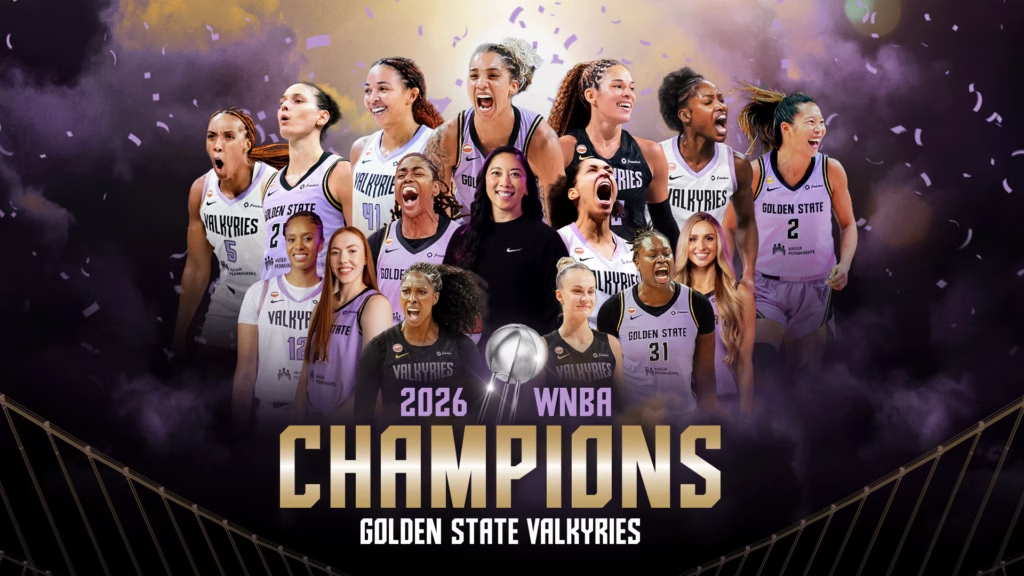
In the first Game 7 in WNBA Finals history, the Golden State Valkyries defeated the Atlanta Dream 68–63, capturing their first championship in just their second season as a franchise. It was a historic achievement for the league’s newest powerhouse, but the story of the night belonged to Williams, whose extraordinary second-half performance transformed a championship that appeared to be slipping away into one of the most memorable victories in WNBA history.
Gabby Williams didn’t just lead the Valkyries to a championship. She willed them there.
A Championship That Could Have Gone Either Way
For much of the night, Atlanta appeared poised to write its own history.
The Dream entered halftime with a 30–24 lead, fueled by Jordin Canada’s offensive production and a defensive effort that kept Golden State searching for answers. Atlanta extended its advantage to nine points in the third quarter, putting itself within reach of the franchise’s first championship. But championship basketball has a way of exposing the smallest cracks. As Atlanta’s offense began to stall, Williams found another gear. After scoring just two points in the first half, she erupted for 28 in the second, including Golden State’s final 11 points of the third quarter.
What had been an Atlanta-controlled game suddenly became a battle of momentum, resilience, and composure. Williams attacked the basket, knocked down crucial shots, and repeatedly answered whenever the Dream threatened to reclaim control. Her 30-point performance, including a Finals-record 28 points in one half, earned her Finals MVP honors.
With the score tied at 57 and less than three minutes remaining, Williams delivered perhaps the defining moment of the championship: a deep three-pointer that put Golden State ahead.
It was the kind of shot that separates a great performance from a legendary one.
Atlanta’s Fight—and the Support That Never Quite Arrived
For the Dream, the loss will be particularly difficult to process because the championship was genuinely within reach.
Jordin Canada delivered 18 points, while Allisha Gray added 16 and continued fighting until the final seconds. Gray’s late three-pointer and free throws helped bring Atlanta within striking distance, giving the Dream one last opportunity to extend the game.
But the offensive support Atlanta needed never consistently materialized.
Rhyne Howard, who had been instrumental throughout the series, struggled to find her rhythm in the deciding game. Naz Hillmon also couldn’t provide the offensive spark Atlanta desperately needed as Golden State tightened its defense.
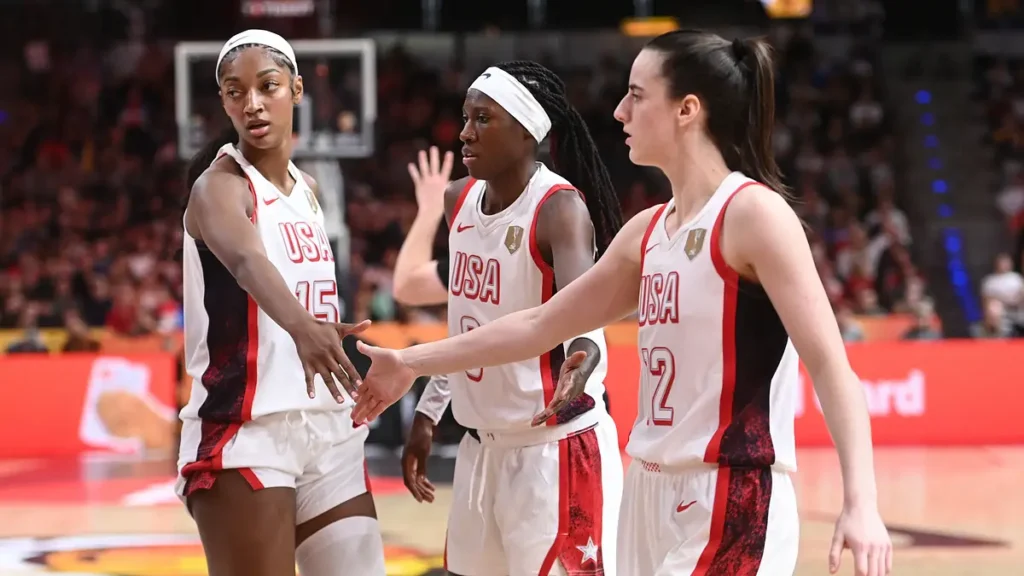
Angel Reese, meanwhile, finished with eight points and 12 rebounds, battling on the glass but unable to establish the offensive presence that had made her such a force earlier in the Finals.
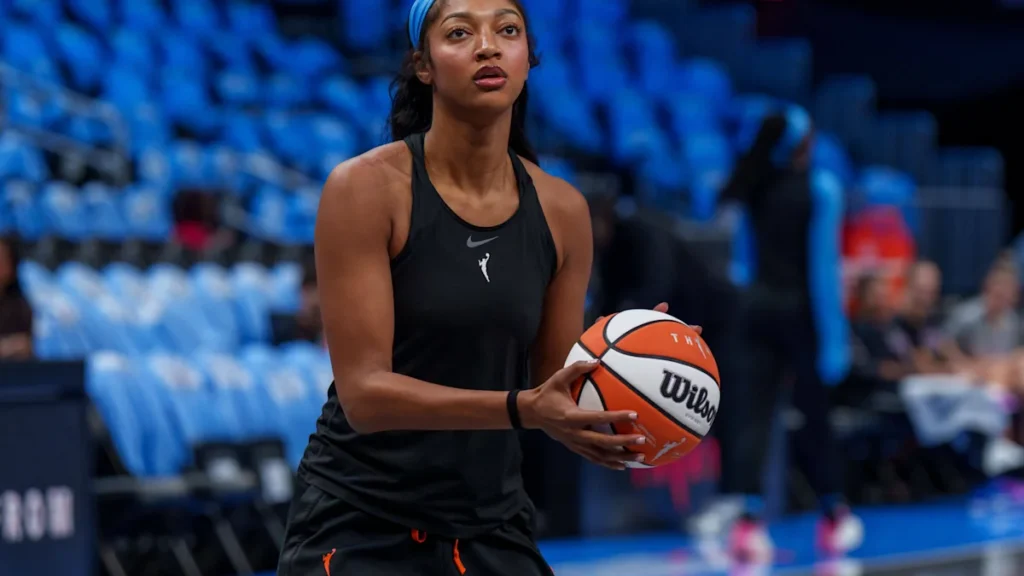
Atlanta shot just 33.3 percent from the field and converted only six of its 30 three-point attempts. For a team that had demonstrated its offensive capabilities throughout the postseason, the numbers told a frustrating story. Was it Golden State’s defensive pressure? The weight of a winner-take-all championship? Or simply an unfortunate night for several of Atlanta’s most important players?
Perhaps it was a combination of all three. Championship nerves are difficult to quantify, but the pressure of a Game 7 can change the rhythm of even the most talented players. Shots that normally fall suddenly don’t. Offensive possessions become rushed. Every missed opportunity feels magnified.
Whatever the explanation, Atlanta couldn’t find enough answers when the game demanded them.
That shouldn’t diminish the Dream’s remarkable season or the effort it took to reach this stage. But it does underscore a difficult truth about championship basketball: individual determination can keep a team alive, but winning often requires several players to rise to the occasion together.
The Making of a Champion
Golden State’s victory was historic beyond the final score. The Valkyries became the fastest North American major professional sports expansion franchise since 1967 to win a championship, accomplishing the feat in only their second season.
Head coach Natalie Nakase deserves significant credit for building a competitive identity around defensive intensity, trust, and collective effort. Veteran Tiffany Hayes contributed 11 points in the deciding game, while Kiah Stokes delivered 13 rebounds and two blocks, providing the physical presence Golden State needed. Veronica Burton sealed the championship with two free throws in the closing seconds.
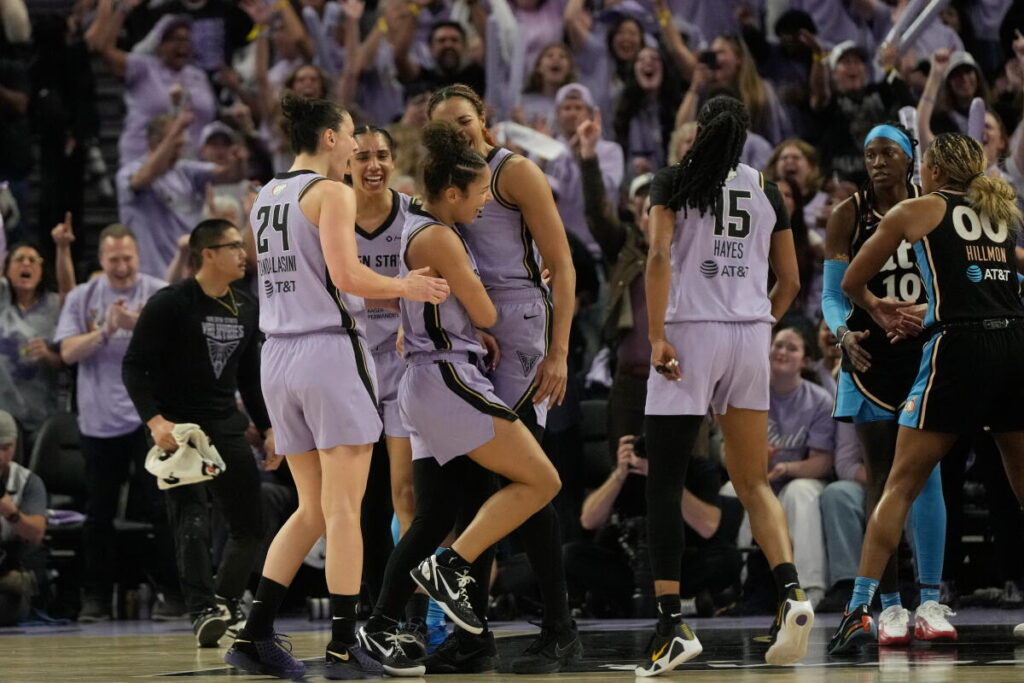
Yet even within that collective effort, Williams emerged as the undeniable difference-maker. Her performance was particularly meaningful given her journey back to the Bay Area, where she played youth basketball before building an international career and eventually returning to the region with Golden State.
On the biggest stage of her WNBA career, she delivered when her team needed her most.
When Talent Meets Will
The 2026 WNBA Finals offered everything a championship series should: shifting momentum, outstanding individual performances, defensive battles, and two teams chasing a historic first title.
Atlanta had its opportunities. Golden State had its struggles. Neither team was guaranteed anything until the final seconds. But as the pressure intensified, one player seemed to grow more determined with every possession.
Williams didn’t dominate from the opening tip. She had to find her way into the game, adjust to Atlanta’s defense, and wait for her moment. And when that moment arrived, she took it.
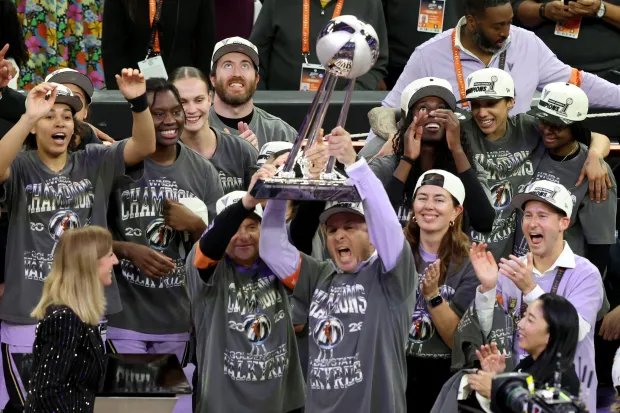
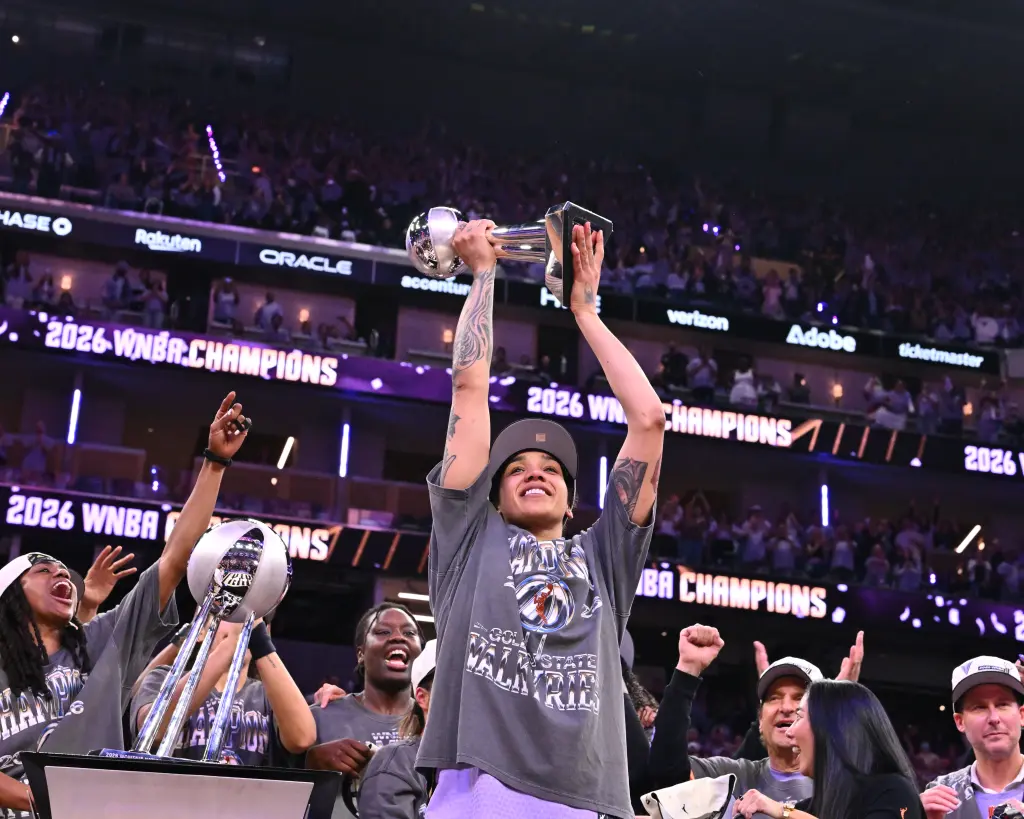
For the Dream, there will be questions about missed shots, offensive execution, and whether the magnitude of the moment affected their composure. For the Valkyries, there will be a championship parade and the beginning of a legacy that arrived far sooner than anyone could have imagined.
For Gabby Williams, there will be something even more enduring: a place in WNBA history.
Because on a night when either team could have become champion, Gabby Williams made sure it was hers.