




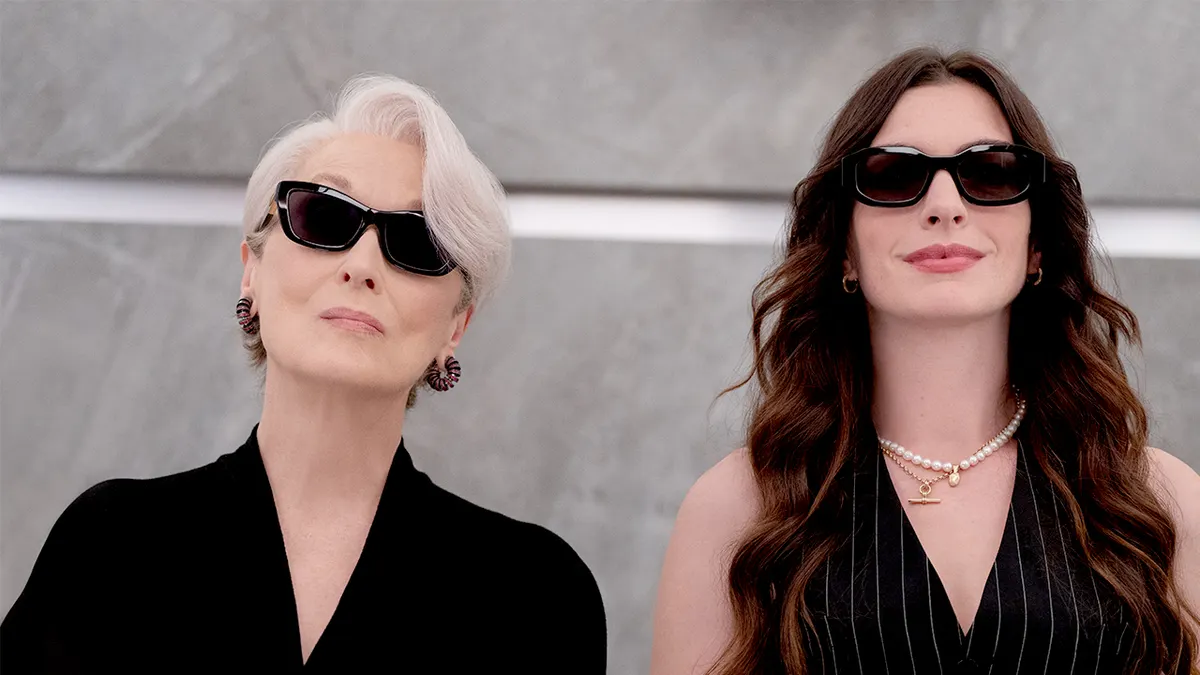
Back in Heels: Why The Devil Wears Prada 2 Feels Like a Fashion Homecoming
Walking back into the world of The Devil Wears Prada nearly two decades later feels both surreal and instantly familiar. The Devil Wears Prada 2 doesn’t ease you in — it drops you right back into the pace, pressure, and polish of the fashion world, and at first, that reentry can feel fast. There’s a lot to take in. The characters have evolved, the industry has shifted, and the film wastes no time catching you up.
At first, that pacing stands out. We’re reintroduced to Andy, Emily, Miranda, and Nigel not as frozen icons, but as women who have lived, changed, and adapted. It takes a moment to recalibrate — to understand where they are now, how they’ve grown, and how the world around them has evolved. But that adjustment happens quickly, and once it does, the film settles into something deeply enjoyable.
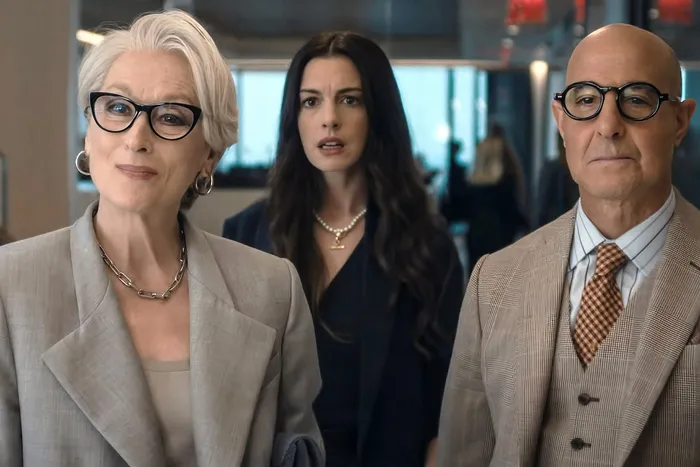
Early reports from outlets like The Hollywood Reporter suggest the film is already off to a strong start at the box office, fueled by nostalgia and long-standing fan investment in the franchise. The sequel brought in an estimated $32 million on its first day in North America, including a strong contribution from early preview screenings, and is projected to open in the $75–80 million range. Nearly two decades after the original film became a global success, this performance highlights just how much cultural staying power the story still holds. It also reinforces something the industry continues to see play out: films centered on women and driven by female audiences can generate serious box office momentum.

Beyond the numbers, the response online has been immediate. Fans are revisiting iconic characters, sharing outfit breakdowns, and debating how the sequel measures up, proving this isn’t just a release, but a full fashion and pop culture moment.
What makes the film work isn’t just nostalgia — it’s how clearly each character still feels like themselves, even after years of growth. Watching Andy step back into this space is especially compelling. There’s still that sense of optimism, that positive naïveté, but it’s now layered with experience. She understands the world she’s in, but she hasn’t lost the core of who she is.
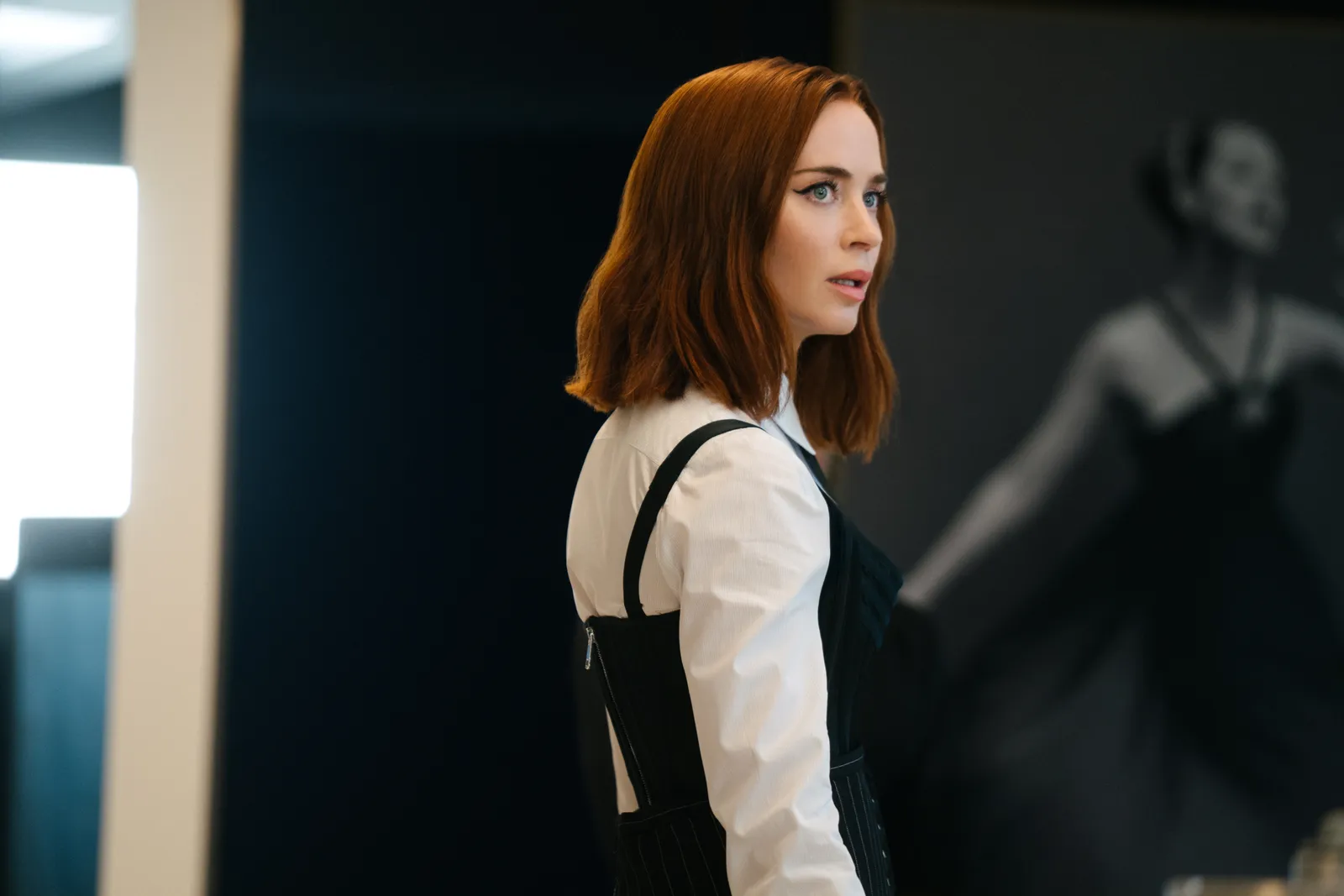
Emily, as expected, delivers her signature sharpness. Her hardened, polished attitude is still there, but this time, there are glimpses of softness underneath it, making her feel more dimensional and grounded.
Nigel remains meticulous, precise, and deeply thoughtful in how he moves through the fashion world. There’s still a sense of uncertainty in him at times, but it feels intentional — part of what makes him so human in an industry that often demands perfection.
And then there’s Miranda. Still the boss. Still the standard. Still entirely in control. But with subtle refinements.
Time, and perhaps the realities of a modern workplace, have shaped how she operates. She hasn’t softened, but she has adapted. There’s a slight shift in how she leads, suggesting that even someone as powerful as Miranda Priestly has had to evolve.
Visually, the film delivers exactly what it needs to. The fashion feels current, intentional, and reflective of where the industry is today. It doesn’t try to recreate the past — it builds on it.
By the time the film fully settles in, what started as a fast reentry becomes something much more rewarding. It feels like catching up with people you once knew, only to realize they’ve grown in ways that make them even more interesting.
The Devil Wears Prada 2 doesn’t rely on nostalgia alone.
It builds on it.
And in doing so, it reminds us why these characters, and this world, still matter.
