




Why Emily Charlton Was the Real Career Icon of The Devil Wears Prada
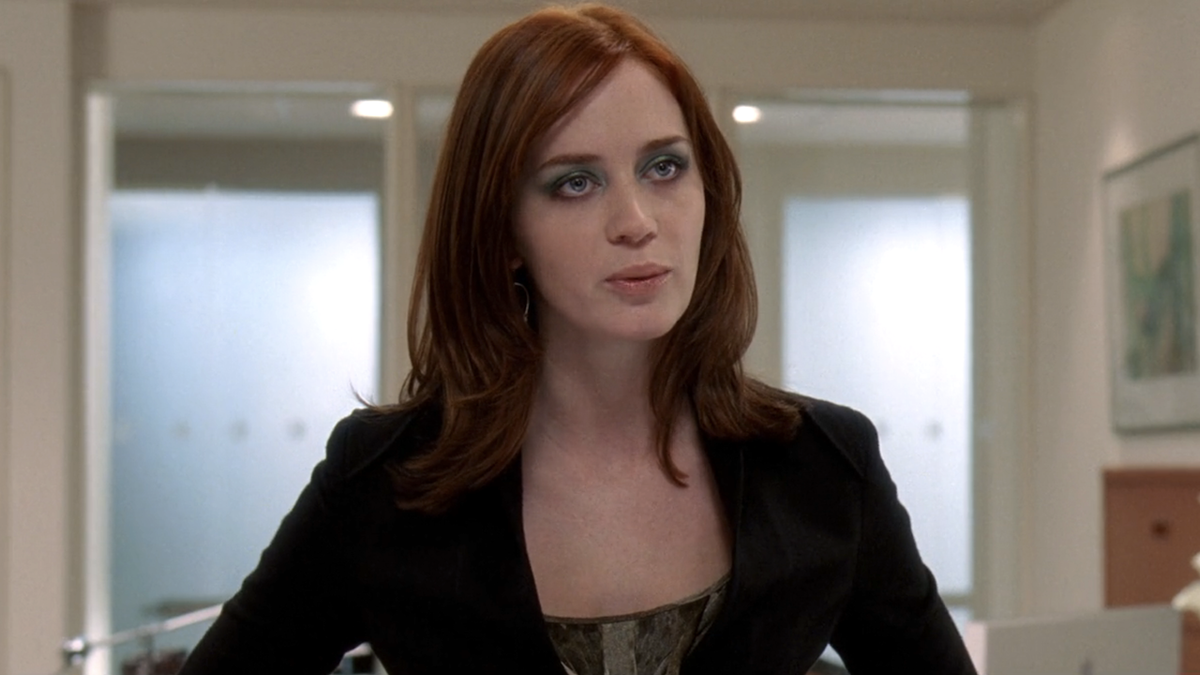
There are characters you admire in film, and then there are characters who stay with you because they feel strangely familiar. Emily Charlton, played with unforgettable precision by Emily Blunt, is one of those characters. For years, she was remembered for her cutting one liners, impossibly chic wardrobe, and barely concealed stress levels. But revisit The Devil Wears Prada now, especially as excitement builds around the new film, and Emily begins to look less like comic relief and more like the movie’s most relatable career icon.
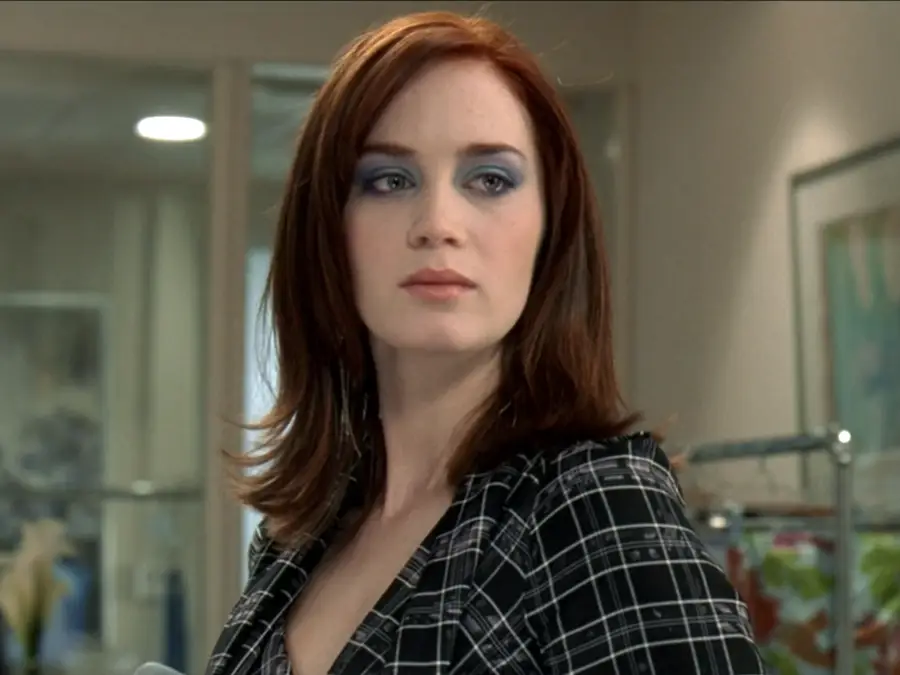
Long before ambition in women was endlessly analyzed, Emily embodied it unapologetically. She cared deeply about her work. She obsessed over details. She wanted opportunities and did not pretend otherwise. There was something quietly radical in that. She was not performing ambition as empowerment language. She was living it.
And for many women in corporate and creative spaces, that still resonates. There is something deeply familiar in Emily staying up too late making sure every detail is right for a demanding boss, surviving on little sleep, showing up impeccably dressed anyway, and somehow rising to the occasion under pressure. It may be exaggerated for comedy, but there is truth in it too. Plenty of ambitious women know what it means to be exhausted and excellent at the same time.

Her fashion, too, was never incidental. Emily’s wardrobe often gets overshadowed by Miranda Priestly’s power dressing or Andy Sachs’ transformation, but her style told its own story about confidence and presence. The sharp tailoring, the accessories, the polish all felt like more than aesthetics. They felt strategic. She understood something many women learn in professional spaces: how you present yourself can be part of how you claim space.
That may be one of the lessons Emily still offers. Ambition does not have to be hidden. Attention to detail matters. Personal style can be part of your power. And perhaps most importantly, pressure does not mean you are failing. Sometimes pressure means you are growing into a bigger room.
There is also something to learn from Emily’s intensity. Her standards were sky high, sometimes absurdly so, but excellence often lives in that zone of care. The women quietly killing it in offices, campaigns, newsrooms, production sets, and startups often share that same instinct to overprepare, to think three steps ahead, to make sure nothing slips. Emily captured that drive with humor, but also with surprising truth.
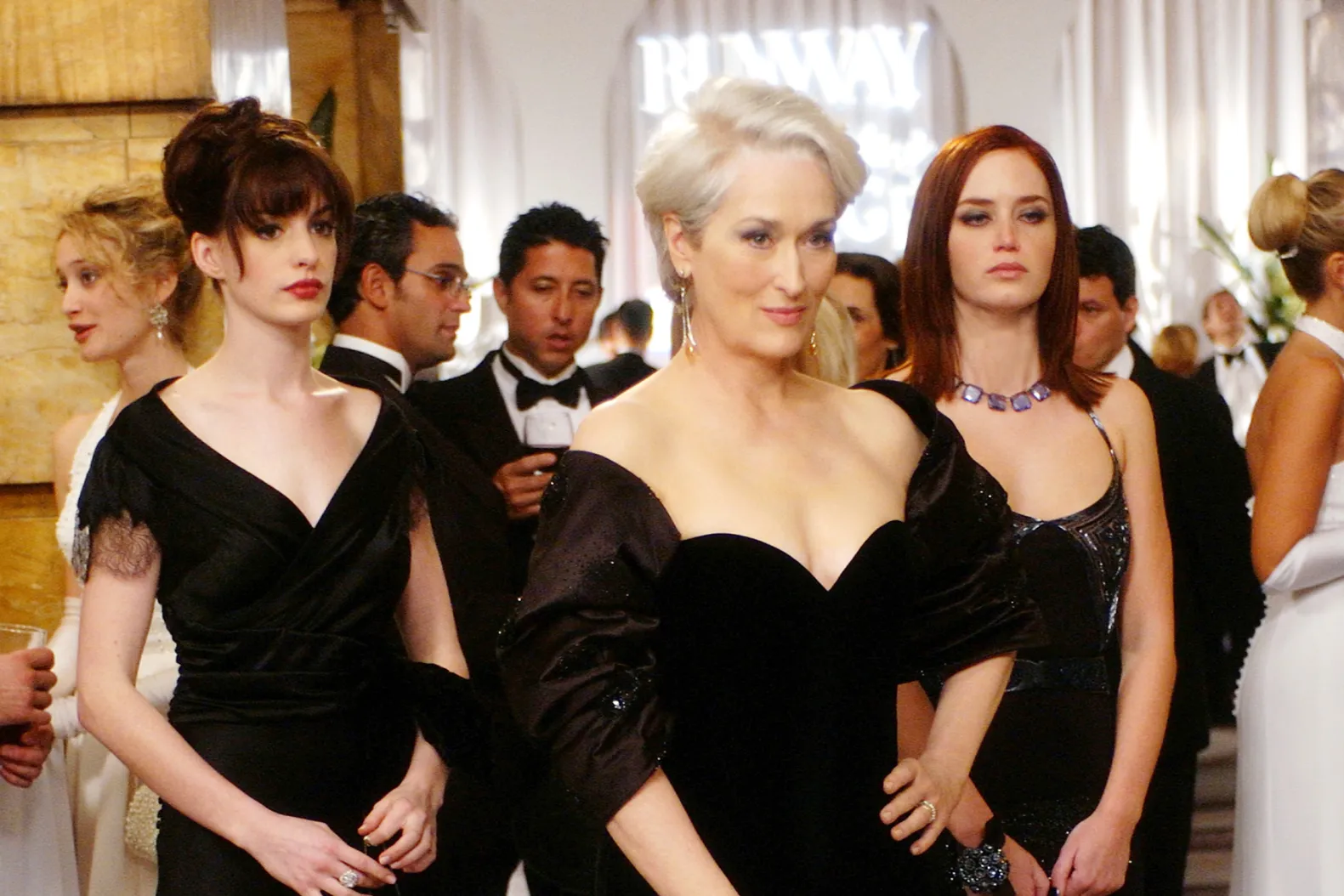
And yet what made her memorable was not just competence. It was complexity. Under the sarcasm was vulnerability. Under the stress was loyalty. Beneath all the frantic perfectionism was someone trying, like so many young professionals, to prove herself in a brutal ecosystem.
That is part of why Emily Charlton feels even more interesting now, nearly two decades later. In today’s language we might call her driven, exacting, maybe even a little overextended. But we might also call her aspirational.
Which is why the sequel feels so intriguing.
As anticipation grows around the new chapter of The Devil Wears Prada, one of the most exciting questions is not just what Miranda or Andy are doing now, but who Emily has become. Has she climbed to the top of fashion media herself. Has she evolved from assistant to editor, creative director, or perhaps something even more unexpected. Does the woman who once fought for a seat in Paris now run the room.
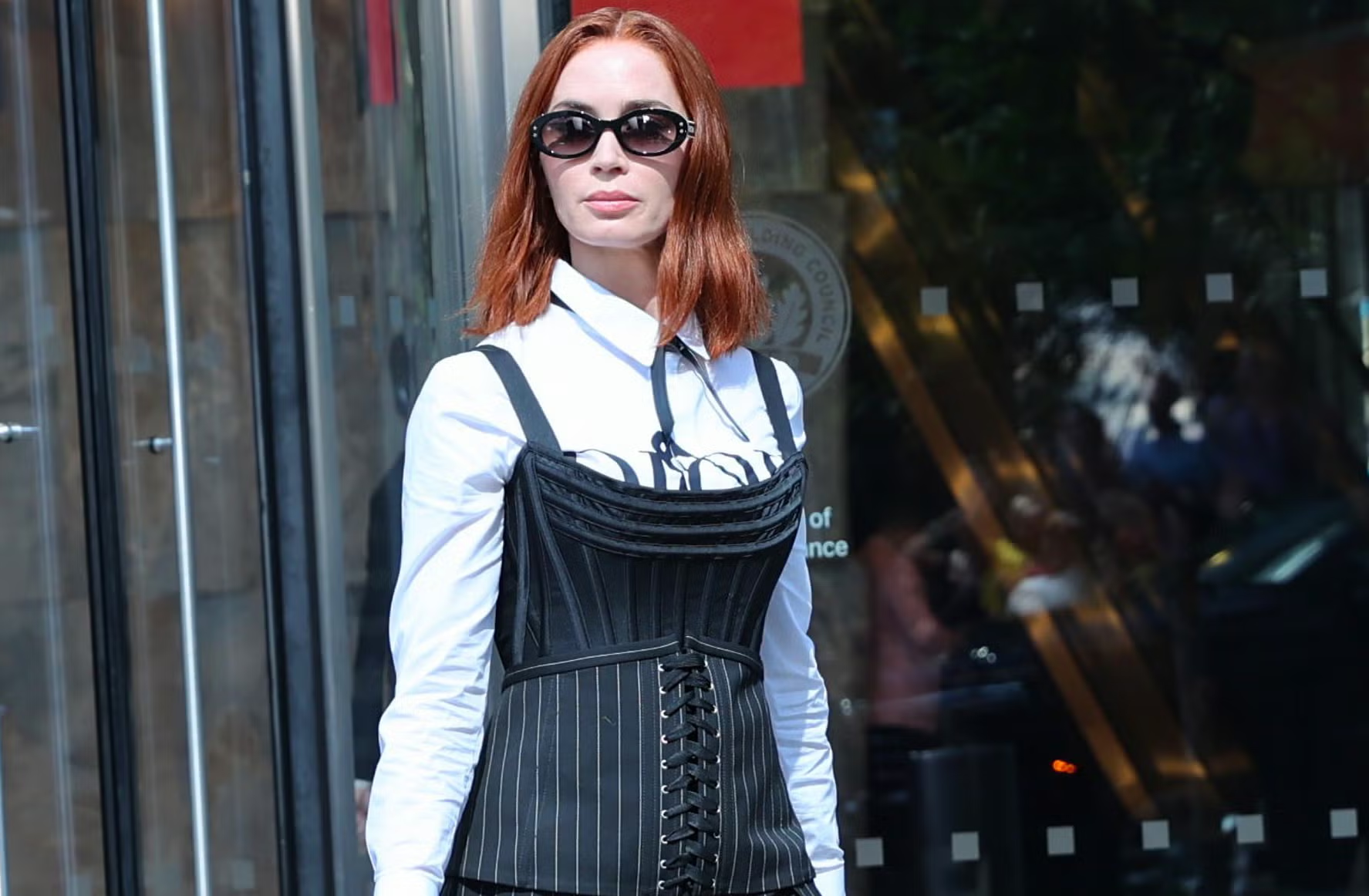
It is hard not to imagine Emily older, sharper, even more formidable, but perhaps also wiser. The sequel has a chance to show something rare in fashion films: the evolution of female ambition over time.
And maybe that is why Emily Charlton still lands so powerfully. She was never simply the stressed assistant in designer boots. She represented a kind of ambition many women recognize in themselves. Stylish, overstretched, brilliant, funny, relentless.
She made excellence look exhausting and glamorous at once.
That feels timeless.
And maybe in the sequel we finally get to see what happens when a woman like Emily Charlton stops assisting power and becomes it.
