





One of the biggest debates following the finale centers on Maddy’s decision to tell Alamo that Rue was working with the DEA.
Many viewers argue that Rue would still be alive had Maddy remained silent. On a purely factual level, the information did trigger a chain of events that contributed to Rue’s tragic ending.
But reducing the situation to a single decision oversimplifies one of the finale’s most complicated moral dilemmas.
Maddy was not acting out of revenge or cruelty. She was trying to save Cassie.
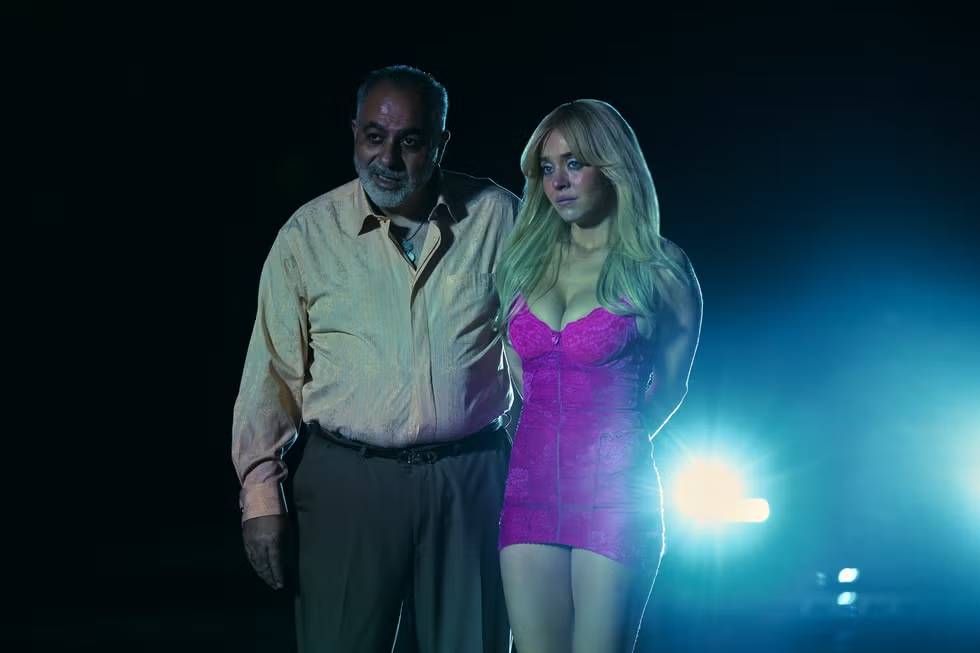
Season 3 repeatedly demonstrated that despite years of betrayal, heartbreak, and resentment, Maddy’s connection to Cassie never fully disappeared. When confronted with an impossible choice, Maddy chose the person standing directly in front of her whose life appeared to be in immediate danger.
That decision ultimately carried devastating consequences.
The tragedy of the moment is not that Maddy intentionally sacrificed Rue. It’s that she was forced to make an impossible choice in a situation where someone was always going to get hurt.

Zendaya Delivers One of Television’s Most Devastating Performances
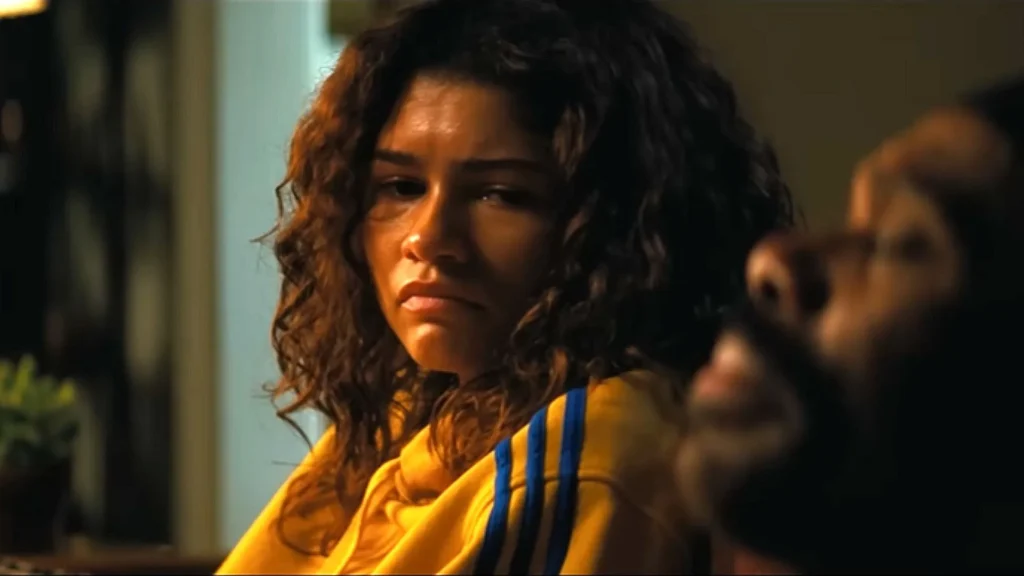
Regardless of where viewers land on the finale itself, Zendaya’s performance remains one of the season’s greatest achievements.
What made Rue such a compelling character was never simply her addiction. It was her loneliness.
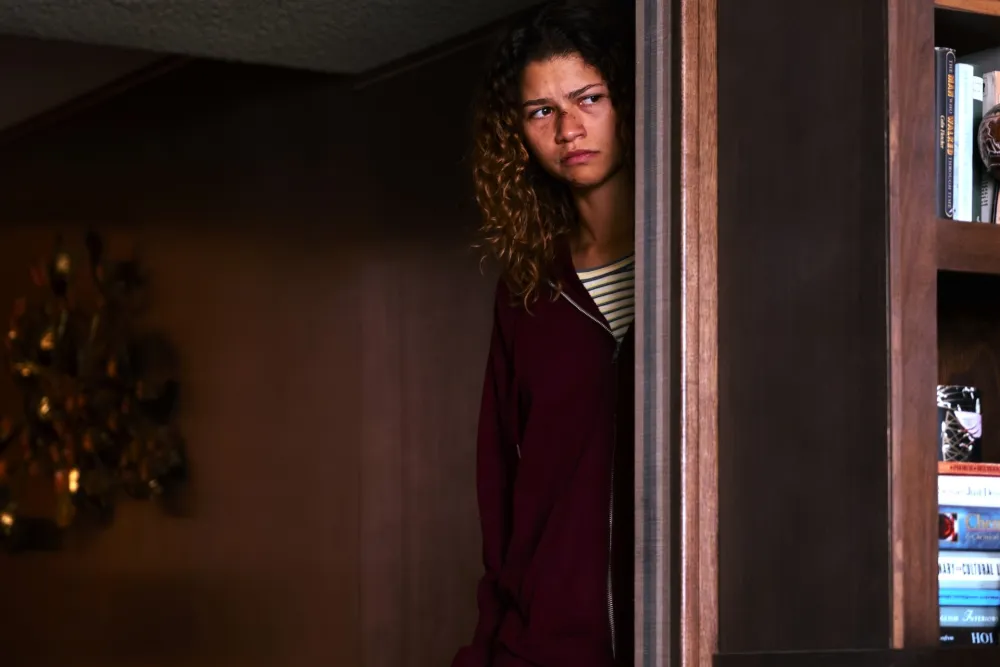
Throughout the series, Rue repeatedly attempted to communicate her pain, fears, and struggles to the people around her. Yet because of her history of lying, manipulating, and breaking trust, those moments of vulnerability were often dismissed or questioned.
The show’s most heartbreaking pattern was watching Rue reach for connection and finding skepticism instead.
That dynamic made many of the quieter scenes more painful than the violence, drug use, or criminal storylines surrounding them.
At its core, Euphoria frequently explored what happens when someone genuinely needs help but has damaged so many relationships that the people around them no longer know when to believe them.
Zendaya carried that emotional weight throughout the season, portraying Rue as both deeply flawed and profoundly human.
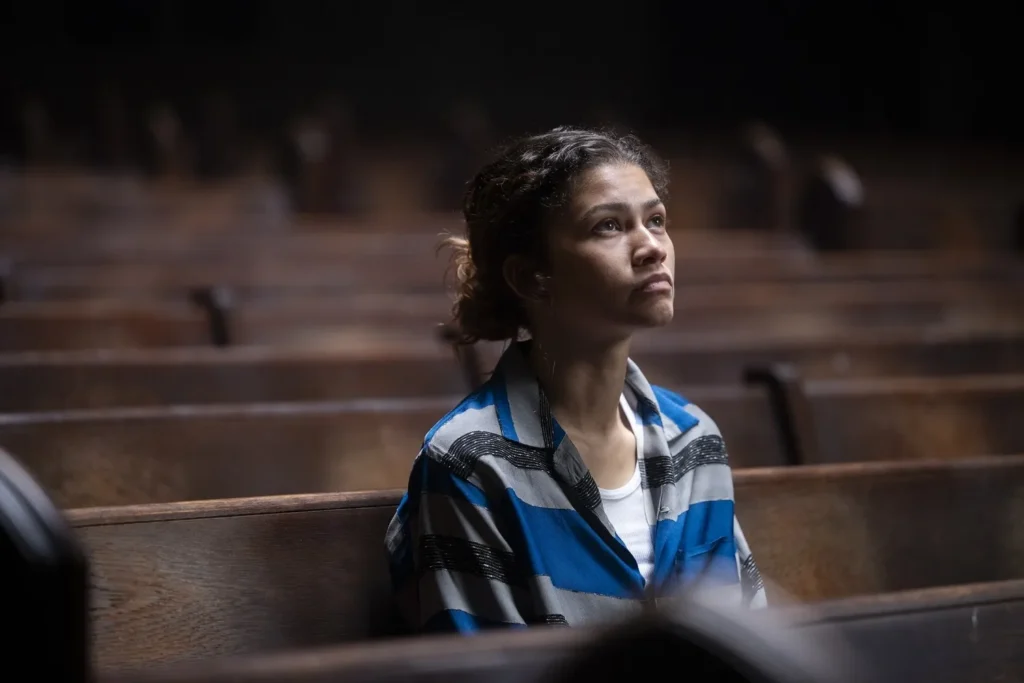
Alamo’s Story Was About Broken Trust
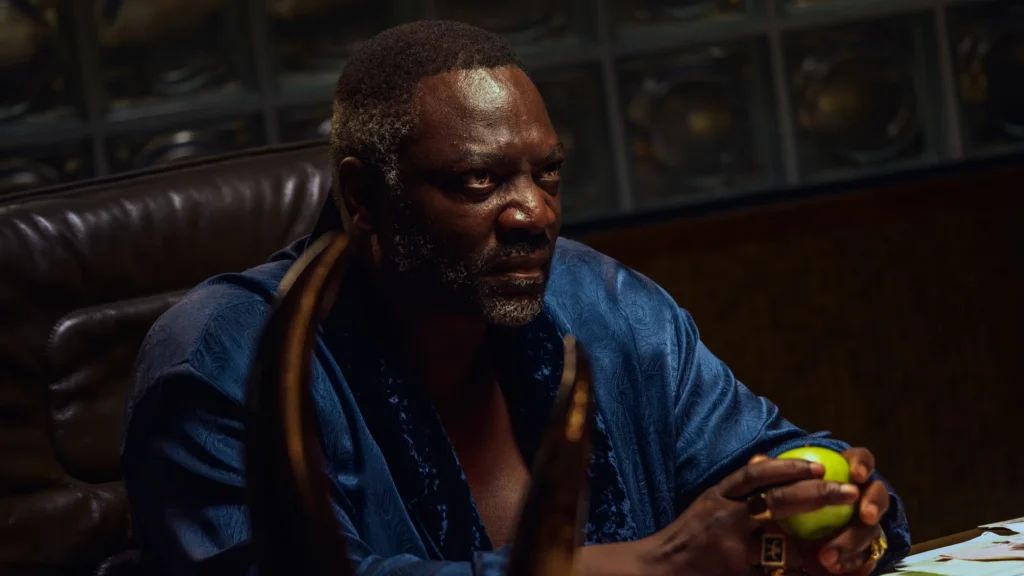
By the time the finale arrived, Alamo had already emerged as one of the season’s most fascinating and terrifying characters.
Earlier episodes revealed the experiences that shaped him, particularly his relationship with a mother who was manipulative, dishonest, and ultimately unable to provide the trust and stability he desperately needed.
Those revelations helped explain, though not excuse, the worldview that guided many of his actions.
If the first person a child learns to trust becomes the first person to betray that trust, it becomes easier to understand how someone develops a belief that loyalty is temporary and deception is inevitable.
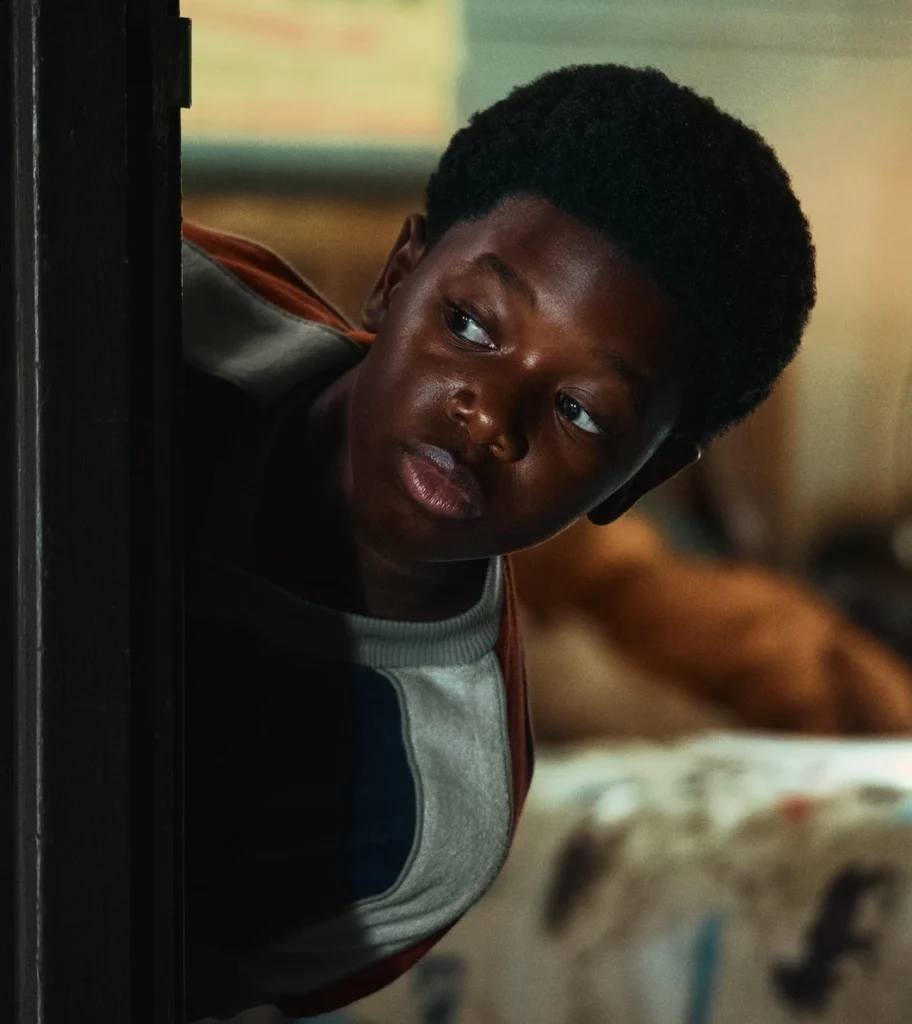
The finale benefited from those earlier character-building moments because they prevented Alamo from becoming a one-dimensional villain. Instead, he became another example of one of Euphoria’s central themes: the way trauma, betrayal, and pain can echo across generations and shape the choices people make.
His actions remained ruthless until the very end, but the season succeeded in showing how that ruthlessness was created long before viewers ever met him.
But perhaps the most unsettling takeaway is that there may not be a single person to blame.
Not Maddy.
Not Alamo.
Not even Rue.
Instead, the finale leaves viewers with a far more uncomfortable reality: Rue’s death was the culmination of years of addiction, trauma, broken relationships, missed opportunities, and choices made by nearly everyone around her.
That complexity is precisely why the ending continues to resonate.
For all of its flaws, excesses, shocking twists, and controversial decisions, Euphoria remained committed to one idea until the very end: people are rarely defined by a single moment. They are the sum of every wound, every mistake, every act of love, and every chance they were given or denied.

The finale may divide fans for years to come.
But the fact that audiences are still arguing about it is proof that Rue Bennett’s story will not be forgotten anytime soon.
