




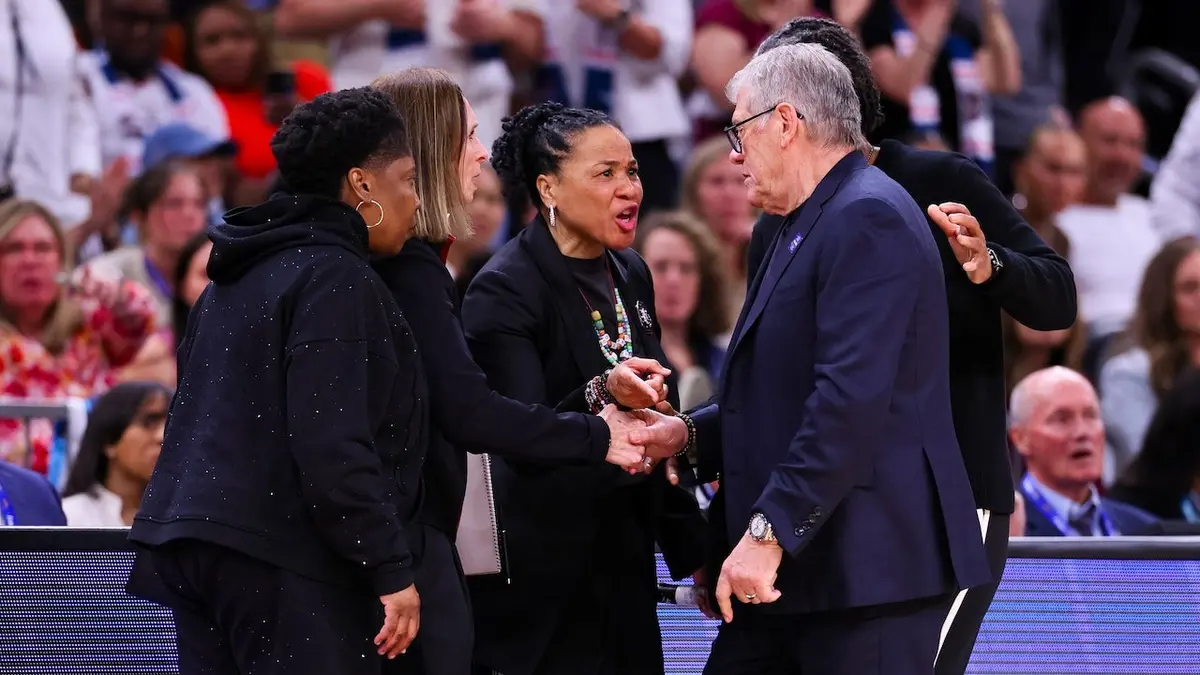
There are certain matchups in women’s basketball that feel bigger than the game itself. When Geno Auriemma and Dawn Staley meet on opposite sidelines, it is not just a contest between two teams. It is a reflection of legacy, evolution, and the continued rise of the sport.
The matchup between the UConn Huskies women’s basketball and the South Carolina Gamecocks women’s basketballcarried all of that weight. But this time, the result was decisive. South Carolina defeated UConn 62–48, controlling the game from early on and setting the tone with physical defense, disciplined offense, and a level of composure that never wavered. By the final buzzer, the message was clear. This was not just a win. It was a statement.
UConn, a program built on precision and dominance, struggled to find its rhythm. The team could not fully break through South Carolina’s defensive pressure. Possessions felt harder. Shots felt more contested. The usual flow that has defined UConn basketball for decades never fully materialized.
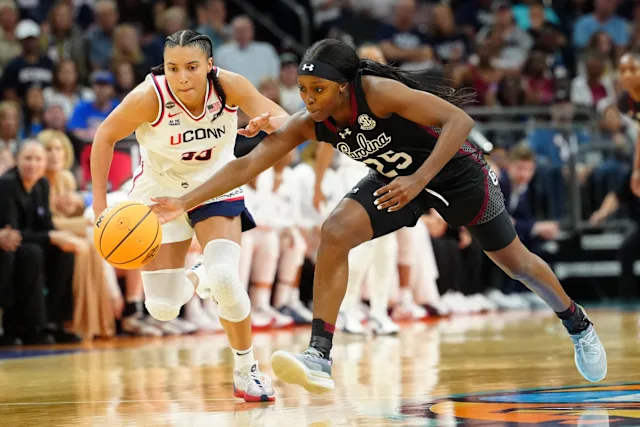
For Azzi Fudd, the game carried an added layer of emotion. As a senior, this marked one of her final moments in a UConn uniform. Auriemma, who has coached generations of elite players from Sue Bird to Diana Taurasi, appeared visibly emotional when speaking about her.
“It’s hard knowing this is the last time you get to coach someone like that,” Auriemma said. “Players like Azzi don’t come around often.”
Following the game, Auriemma’s comments drew attention. In his remarks, he pointed to frustrations with officiating, suggesting that the game had not been called evenly.
“Their coach rants and raves on the sideline… now we get 6 to 0,” he said.
Whether those concerns were valid or not, the focus quickly shifted. It was not just what he said about the game. It was what he did not say about the opponent. In a moment where South Carolina had clearly established control, the absence of direct acknowledgment toward Staley stood out.
Auriemma later issued an apology, acknowledging that his comments were not appropriate.
“There’s no excuse for how I handled the end of the game,” he said. “It was uncalled for in how I reacted.”
He added, “The story should be how well South Carolina played.” But he did not mention Staley by name.
That detail matters. In women’s basketball, respect has long been part of the culture of the game. The sport has grown through competition, but also through recognition. Coaches who have built programs, developed players, and elevated the game are expected to be acknowledged with clarity.

Staley is not just any coach. She is one of the most influential figures in the sport today. As a Black woman leading one of the most dominant programs in the country, her impact extends far beyond the court. She has built a system that produces results, but also one that creates opportunity and representation.
Moments like this resonate differently because of that context.
It is possible to recognize Auriemma’s legacy while also acknowledging that this moment fell short. He has shaped the sport in undeniable ways. His ability to build a dynasty at UConn remains one of the most impressive achievements in college athletics. The players who have come through his program have defined generations of the game.
But legacy does not place anyone beyond accountability.
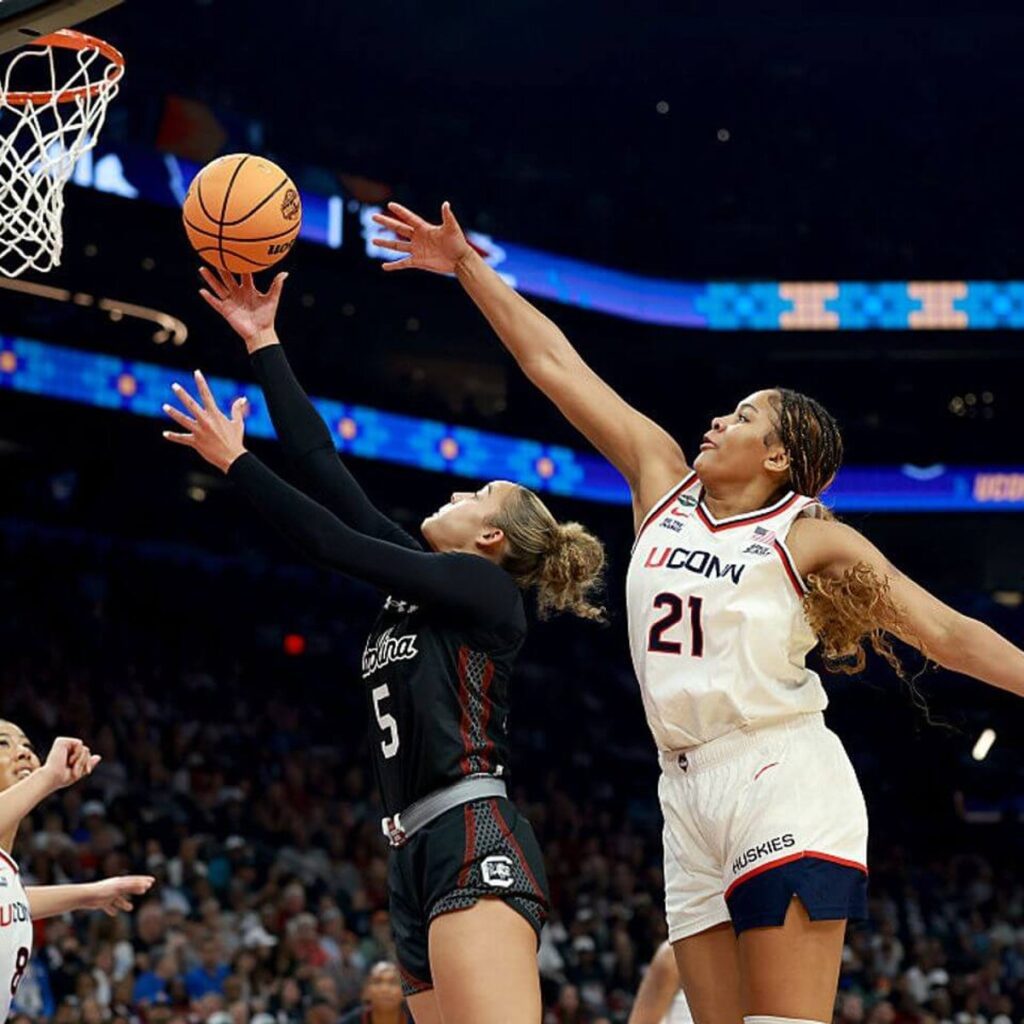
South Carolina’s performance deserved to be centered in the conversation. The team executed with clarity and confidence. They dictated the pace, controlled the physicality, and maintained composure in a high pressure environment. That level of play reflects preparation, leadership, and trust in a system built over time.
In a sport that is experiencing rapid growth, moments like this carry weight. The continued dominance of South Carolina and the increasing visibility of women’s basketball have created a new standard. Fans are paying attention not only to outcomes, but to how those outcomes are discussed.
Auriemma’s frustration may have come from a place of emotion. Competitive environments often do. The weight of expectations, the reality of a tough loss, and the significance of a senior player’s final moments can all shape how a coach responds.
But in a sport built on leadership, words matter.
Women’s basketball is no longer asking for recognition. It is defining its own standards. Those standards include excellence, visibility, and respect. They also include accountability, even for the most established figures in the game.
