





4
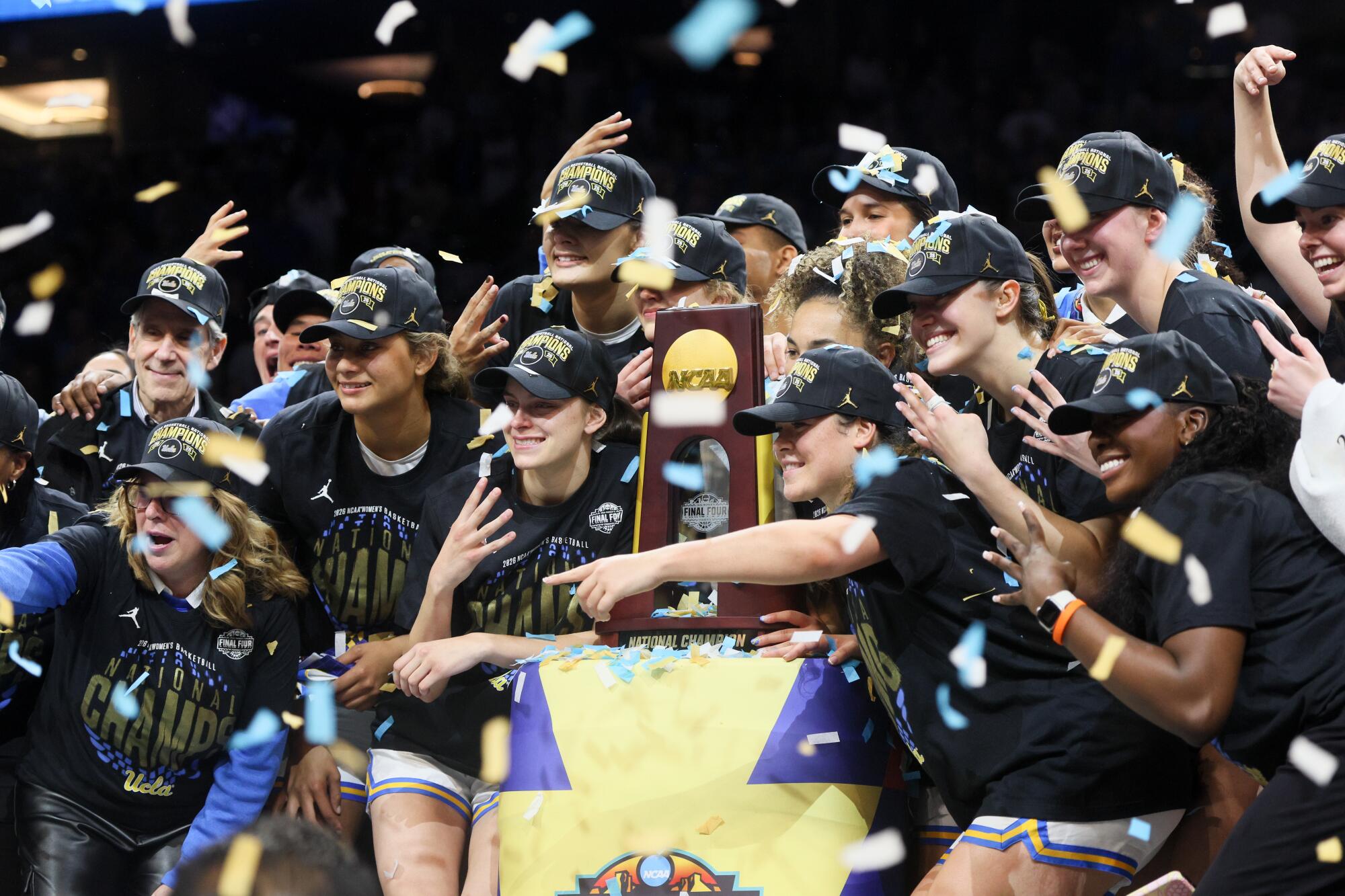
UCLA made history Sunday night, defeating South Carolina 79–51 to capture the program’s first-ever NCAA women’s basketball championship. In a matchup that many expected to be tightly contested, UCLA delivered a performance that was decisive from the opening minutes and never left room for doubt.
From the start, UCLA controlled the pace of the game. They established an early lead in the first quarter and quickly built separation, playing with a level of confidence that set the tone for the rest of the night. South Carolina, a program known for its physicality and depth under head coach Dawn Staley, struggled to find any offensive rhythm against UCLA’s defense. Shots that typically fall for the Gamecocks were contested, rushed, or simply off, and the team was never able to settle into its usual flow.
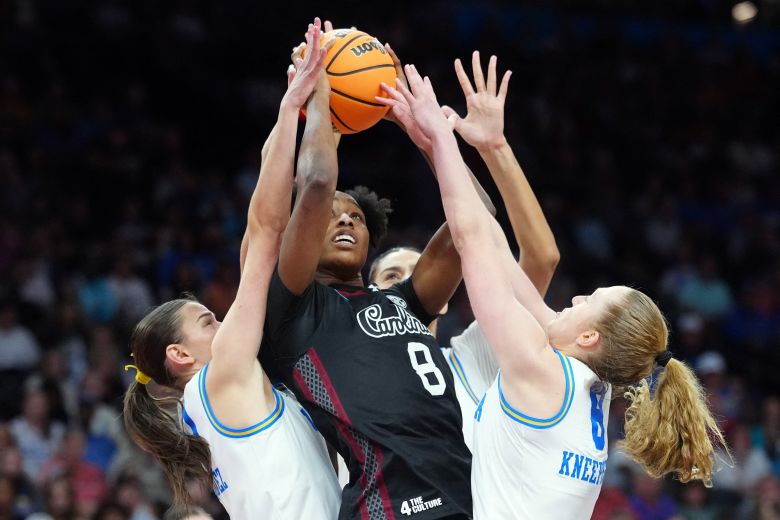
By halftime, UCLA had already created significant distance. Any hopes of a South Carolina comeback faded in the third quarter, when UCLA extended its lead even further with a combination of disciplined defense and efficient scoring. The Bruins didn’t just maintain control—they tightened it, executing in key moments and avoiding the mistakes that often swing championship games.
At the center of it all was a standout performance from Lauren Betts, who anchored UCLA on both ends of the floor and was named Most Outstanding Player. Gabriela Jaquez led the scoring effort with 21 points while also contributing across the stat sheet, helping UCLA maintain balance and momentum throughout the game. The team’s depth was evident, with multiple players stepping up in key moments, reinforcing that this win was not about one individual performance but a complete team effort.
What makes this victory even more significant is the stage on which it happened. This was UCLA’s first-ever appearance in the NCAA women’s basketball championship game, and rather than looking like newcomers, they played with the composure of a seasoned title contender. The win marks the program’s first NCAA championship and its first national title since the pre-NCAA era, cementing this team’s place in history.

For South Carolina, the loss is a rare and difficult one. The program has set the standard in recent years, consistently competing at the highest level and often overwhelming opponents with its depth and defensive intensity. But in this game, they were outmatched. The Gamecocks struggled to generate consistent offense and were unable to counter UCLA’s defensive pressure or regain momentum once it slipped away.

Beyond the final score, this game reflects a larger shift happening in women’s basketball. For years, a handful of programs have dominated the sport, but UCLA’s performance is a clear indication that the field is expanding. More teams are capable of competing at an elite level, and the gap between contenders is closing in ways that are making the sport more competitive and more compelling.
