




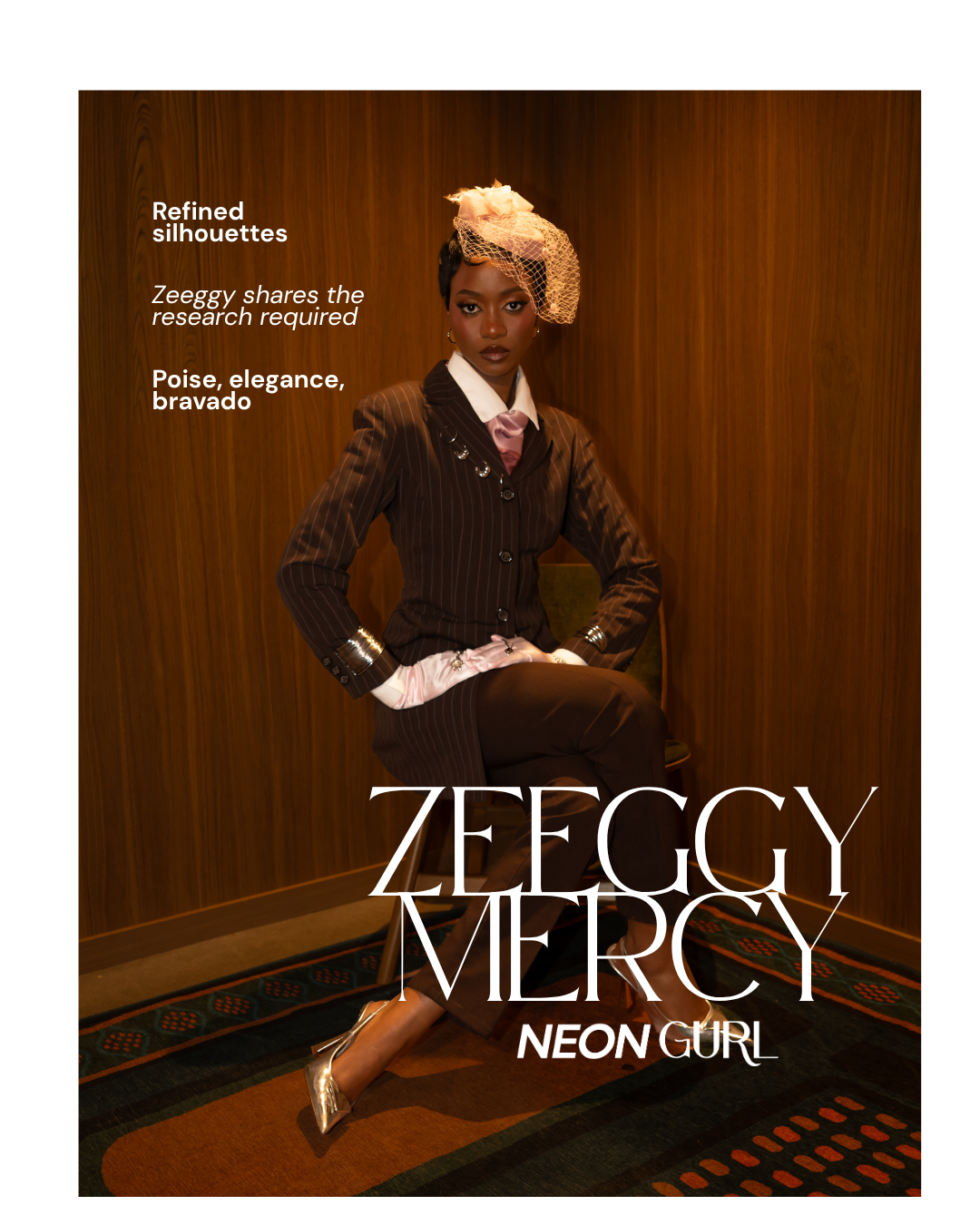
I sat down with Zeeggy Mercy, the model and creative who recently took the internet by storm with her viral “posing through the decades” video, expecting to talk about technique. Instead, the conversation unfolded into something much more layered, a discussion about movement as language, confidence as something built over time, and the way women’s bodies have always reflected the worlds they exist in.
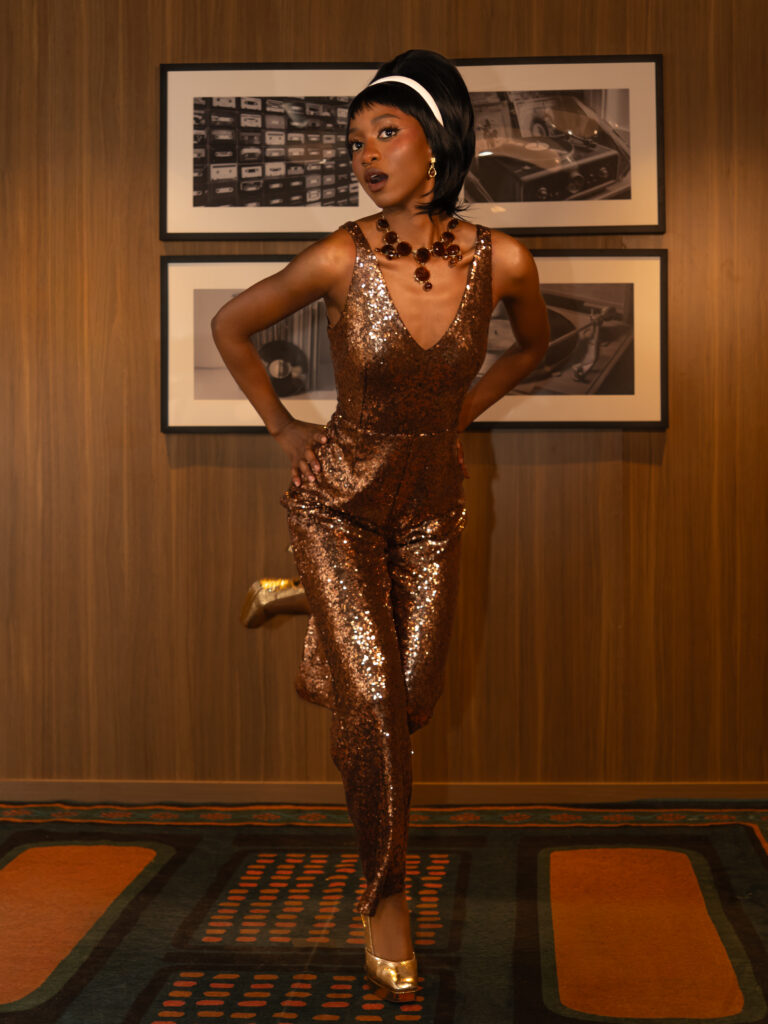
Zeeggy, who was born in Rwanda and is now based in Ottawa, Canada, didn’t begin her journey in modeling. Her foundation is in dance, something that becomes immediately clear in the way she speaks about movement and expression. “My journey for modeling actually started as a dancer,” she explains. “I used to be a dancer full-time… I saw modeling as a way to express myself, but through images instead of dancing.” Even with that background, transitioning into modeling required her to relearn parts of herself. “When I started it, it was very hard for me because it was something new I’m trying out,” she says. “I just had to practice more my facial expressions… because I’m always smiling, so I had to learn how to be serious.”
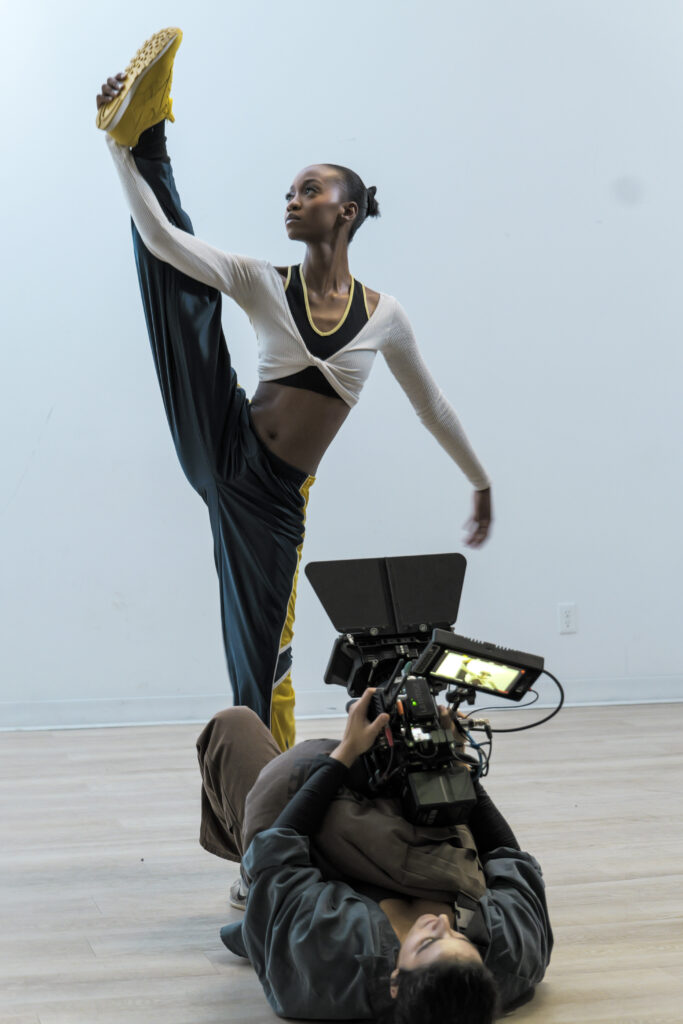
Over time, that discomfort turned into understanding. What began as a technical challenge became something more intuitive. “I realized posing wasn’t just something you do in front of the camera, it’s something you feel,” she says, a statement that quietly reframes the entire craft. For Zeeggy, posing isn’t about memorizing angles or copying what works for someone else. It’s about learning how your body communicates and allowing that to come through naturally.
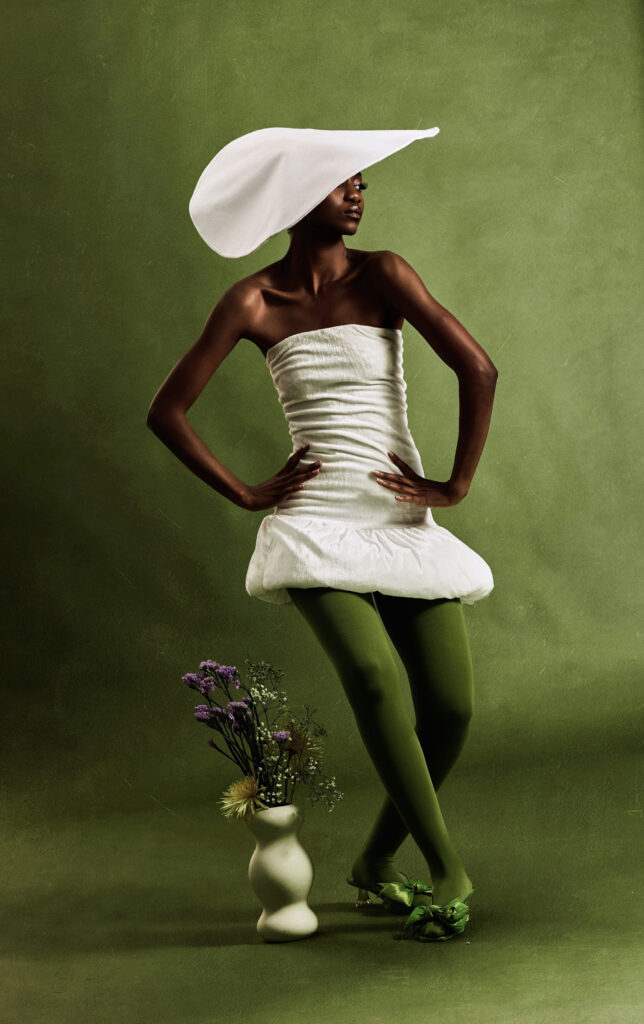
Her transition into teaching followed a similar pattern. It wasn’t planned, but it was inevitable. After refining her own style, a runway coach invited her to teach a posing class in Toronto, something she had never done before. “She saw something in me I didn’t see,” Zeeggy says. That moment led to more opportunities, and after sharing her work online, people began reaching out from everywhere. “That’s how the posing came to life,” she says. What started as a personal practice quickly became something others wanted access to.
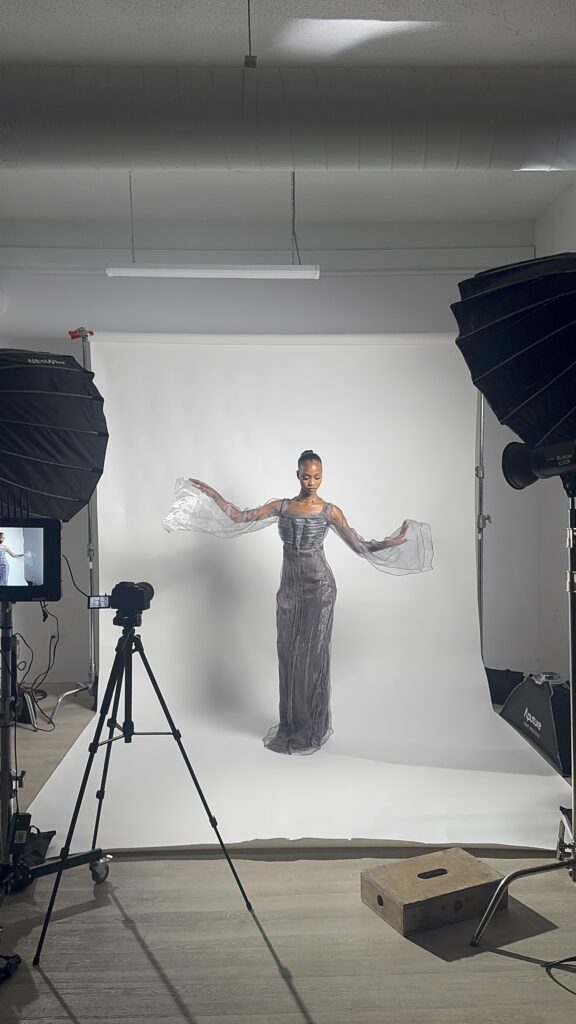
That philosophy is especially relevant during Met Gala week, when fashion is at its most theatrical. Zeeggy doesn’t see the model as someone simply presenting clothing. She sees them as part of the storytelling. “As a model, you are the statue, but you have to bring the outfit to life,” she explains. She hopes to see more interaction on the carpet, more movement, more intention. “Not just standing there and looking pretty,” she adds, pointing to the difference between wearing a look and embodying it.
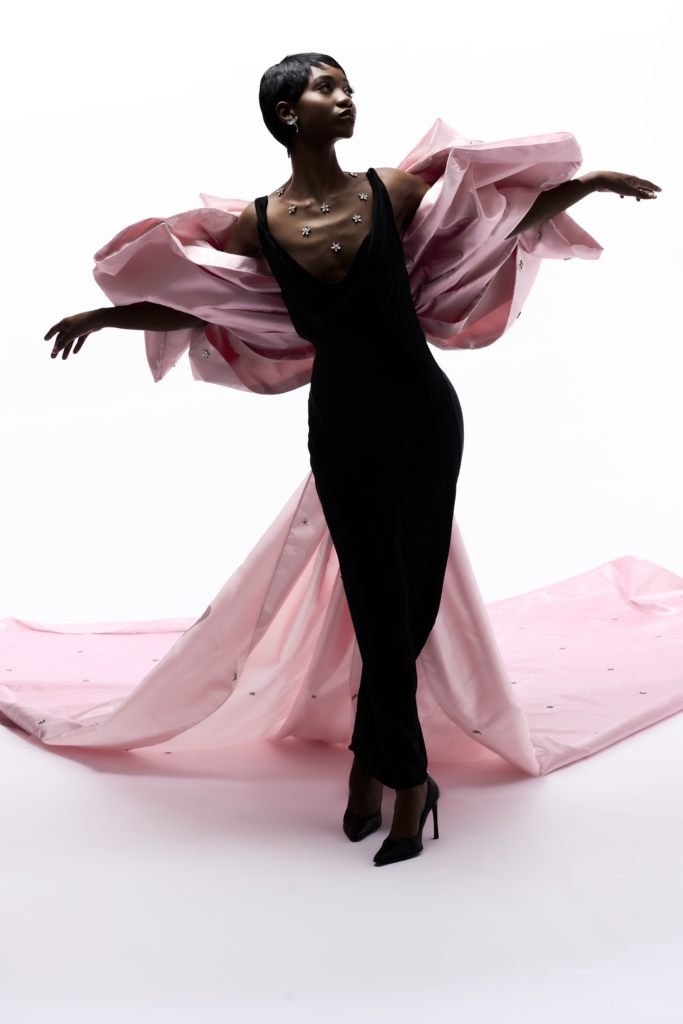
Her advice to beginners reflects that same balance between awareness and instinct. “I always say you need to study your body,” she says. It’s a simple idea, but one most people overlook. Zeeggy explains that feeling awkward in front of the camera isn’t about not being photogenic, it’s about not being familiar with how you move. “The mirror is your camera,” she says, emphasizing that confidence comes from repetition. The more you practice, the more natural it becomes.
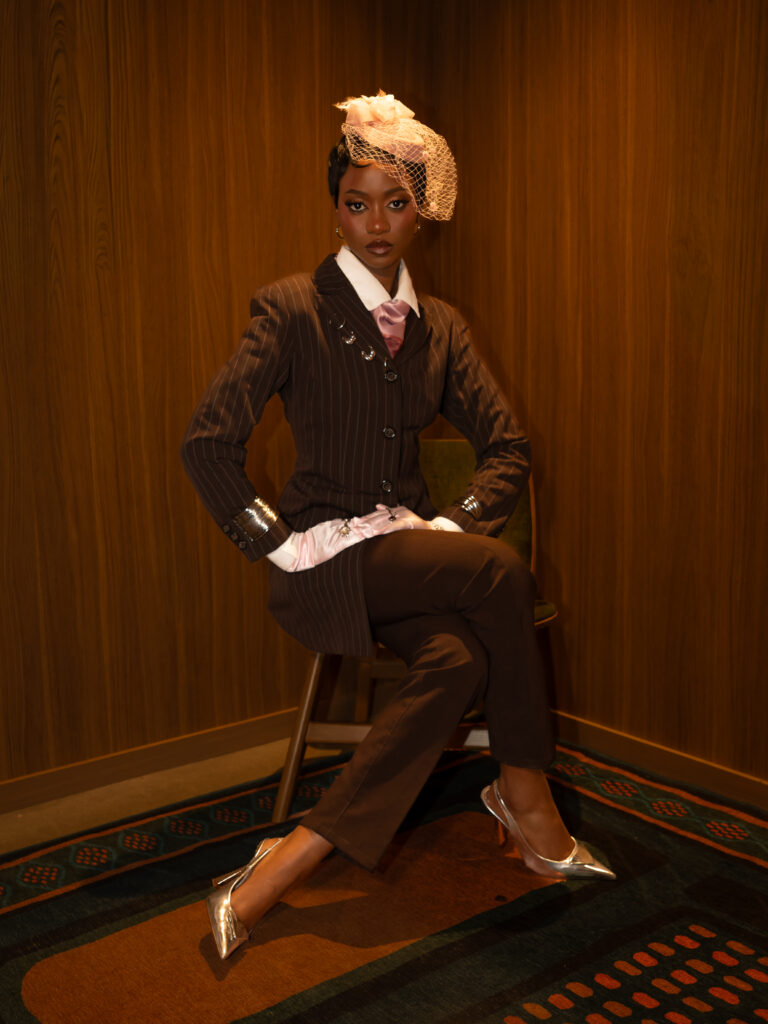
That practice, however, is only part of it. Mindset plays an equally important role.
“If I go in front of the camera and tell myself I am awkward, I’m going to be awkward,” she says. “But if I go in and say, you know what, I’m going to kill it… that’s what I’m going to project.”
It’s a shift that sounds small but changes everything. Zeeggy admits she wasn’t always confident. “I used to be a shy person,” she says. Dance, she explains, forced her out of that. Performing, taking up space, and learning to exist in front of others without shrinking helped her build the confidence she now carries into modeling.
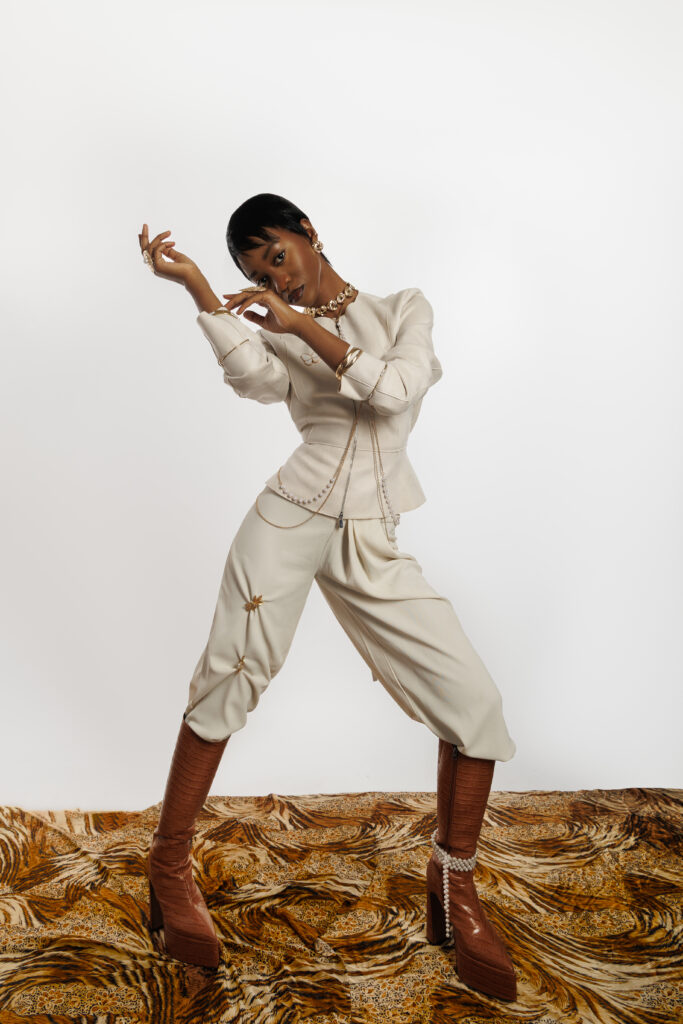
That confidence informs how she sees the industry as a whole. “People think it’s just standing there looking pretty,” she says. But for her, modeling is closer to performance. “You need to embody a character.” That perspective connects her to figures like Grace Jones, whose presence challenged traditional ideas of femininity, and Coco Rocha, whose dance background informs her expressive posing. She also references Donyale Luna, a pioneer whose career reflects both progress and the complexities of representation in fashion.
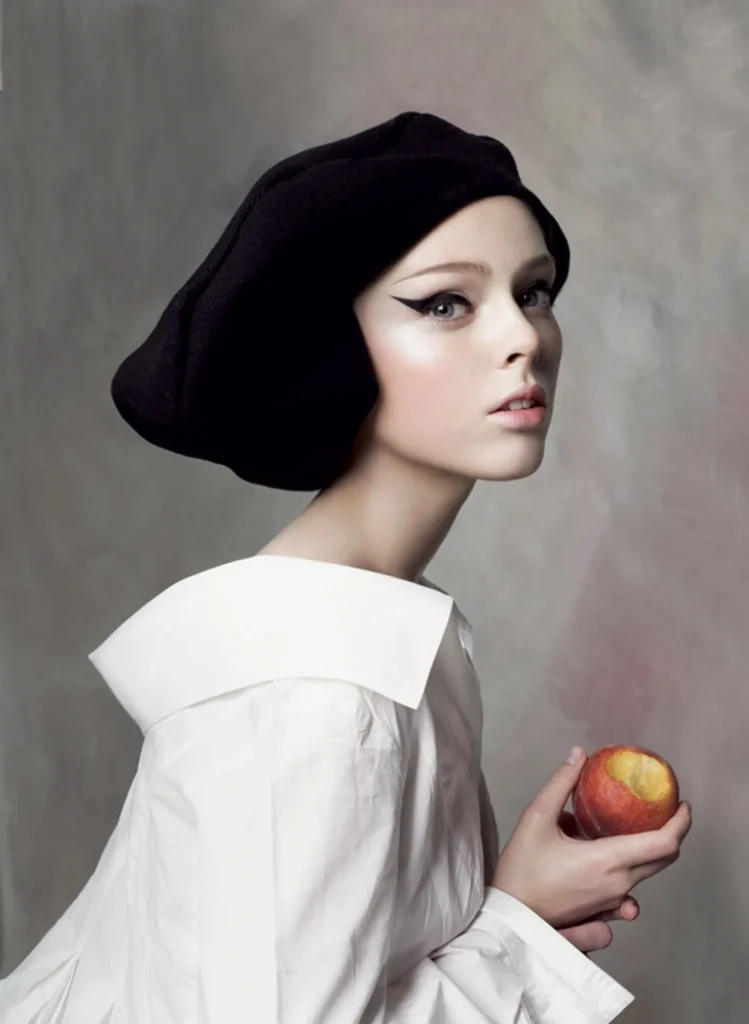
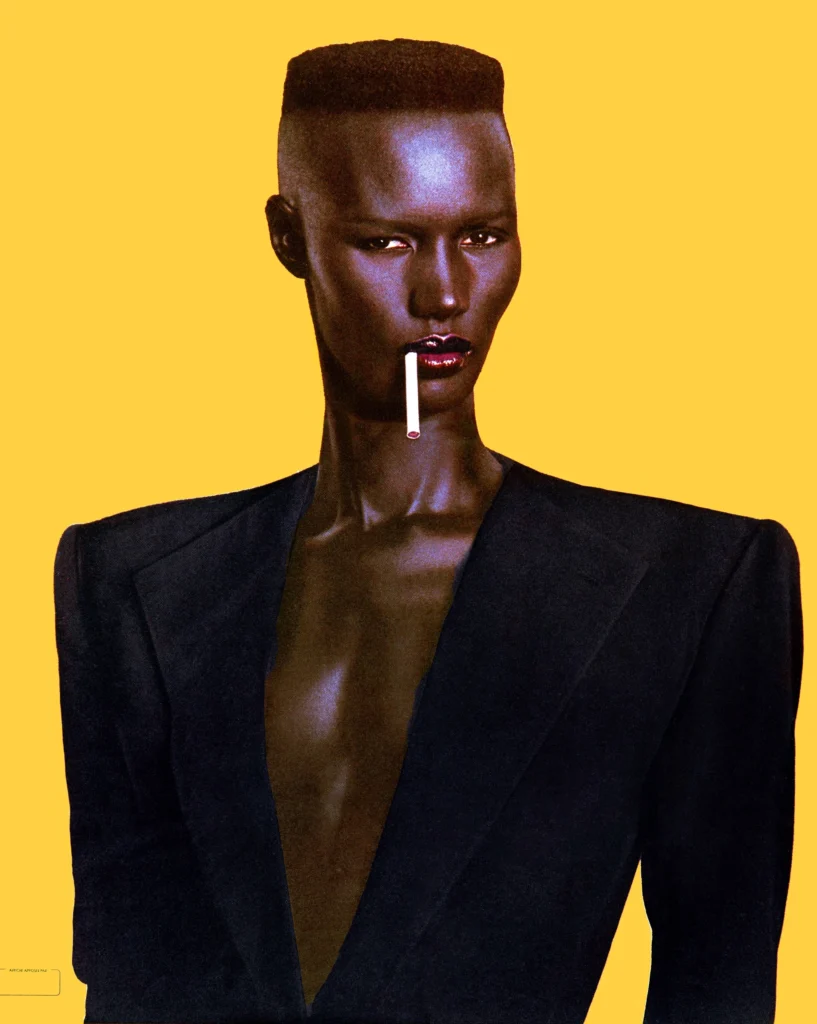
Coco Rocha Grace Jones
Photographed by Steven Meisel, Vogue, 2009
Representation remains something Zeeggy speaks about with honesty. “There’s definitely been a difference over the years… but it could also get better,” she says. She points out that while visibility has expanded, it often still exists within narrow definitions. “What about people like me… we’re not light, we’re not dark… I don’t see that enough,” she adds, highlighting the gaps that still exist in not representing all skin tones.
That awareness is what led to her “posing through the decades” video, the project that introduced her to a much wider audience. It came from noticing something missing. “We see the evolution of fashion, dance, hair… but I’ve never seen anyone do something like this with posing,” she says. So she began researching, studying archival footage, films, and photography, paying attention to posture, energy, and movement across time.
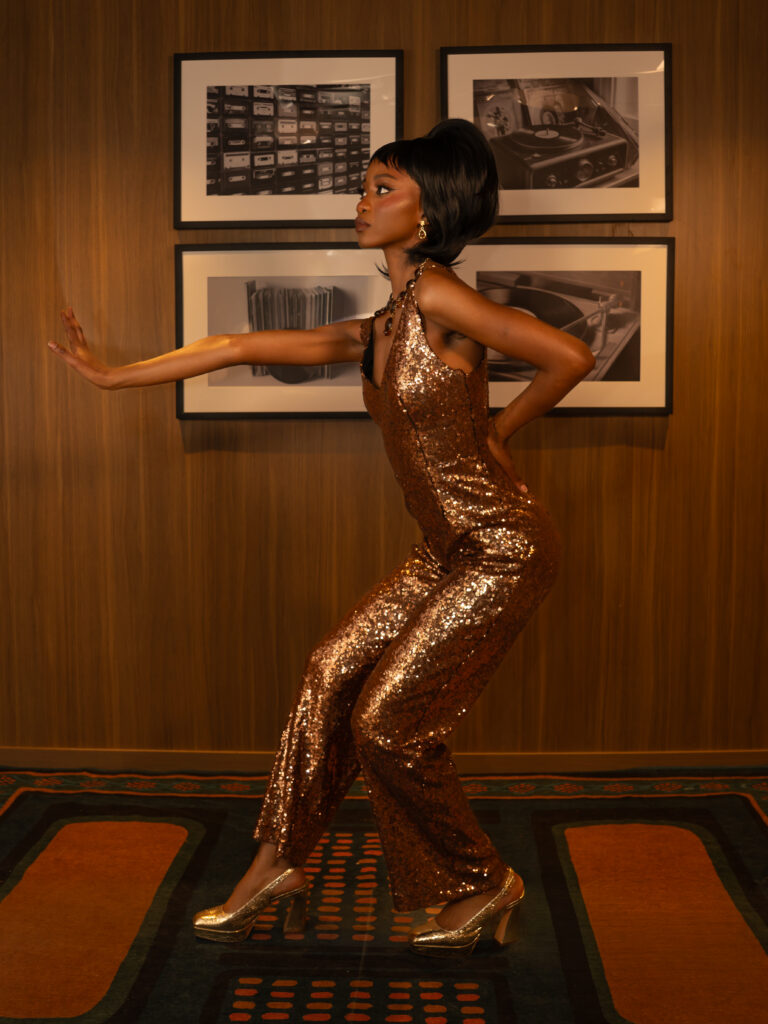
What she discovered was that posing is never random.
“I realized each era was changing based on what was going on,” she explains. In earlier decades, movement was more restrained, shaped by expectations placed on women. As time progressed, posing became more expressive, more expansive, more individual. “I realized posing was also reflecting the era,” she says. It wasn’t just about style. It was about permission, about what women were allowed to express and how they were allowed to be seen.
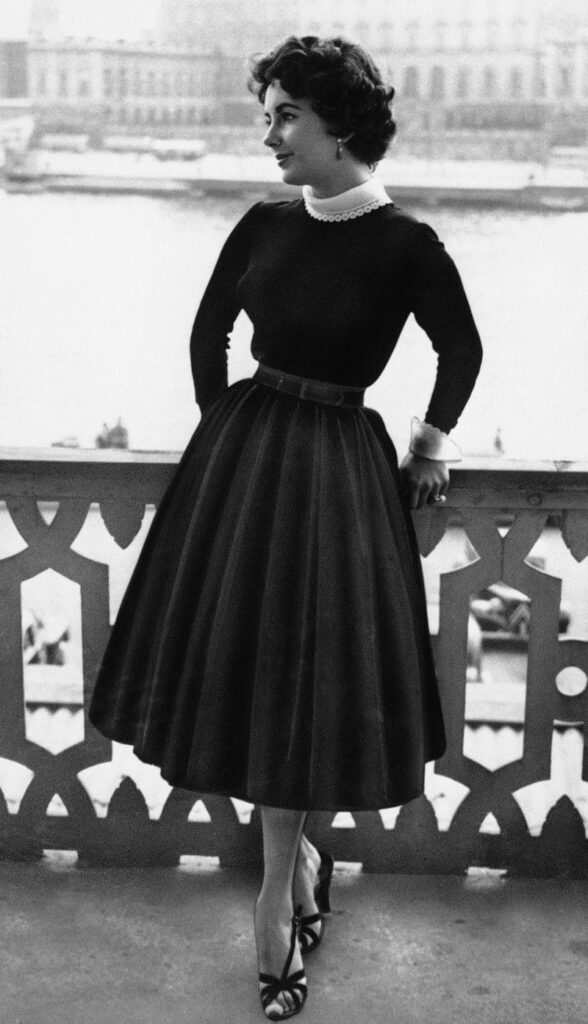
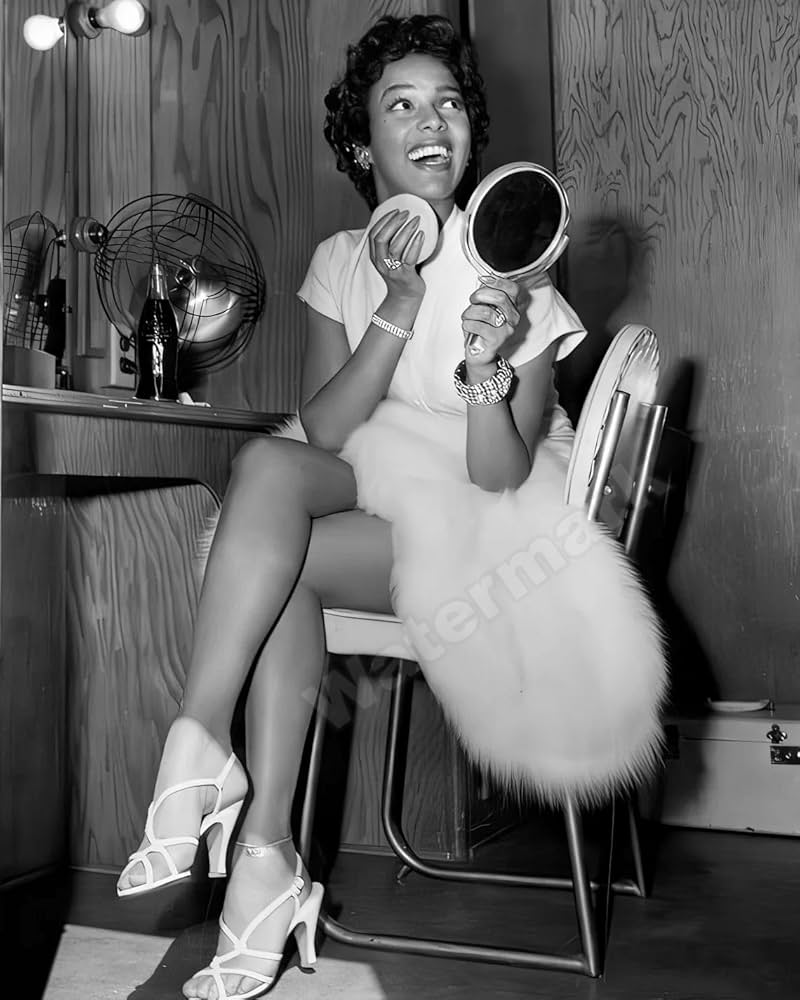
Elizabeth Taylor Dorothy Dandridge
That understanding shapes how she teaches today. When people tell her they’re not photogenic, she challenges it immediately. “It’s not like you’re not photogenic. You haven’t taken time to learn and practice,” she says. The same goes for common mistakes. “I think it’s being stiff,” she explains, noting that most stiffness comes from overthinking and trying to control every movement. Her solution is simple but effective.
“Just loosen up your body… allow room for imperfection.”
She gives an example that reframes posing entirely. Something as simple as holding a bag becomes difficult the moment someone is told to pose with it. “Girl, what do you mean you don’t know what to do?” she says, laughing. Because in reality, we already move naturally every day. Posing isn’t about inventing something new, it’s about becoming aware of what you’re already doing.
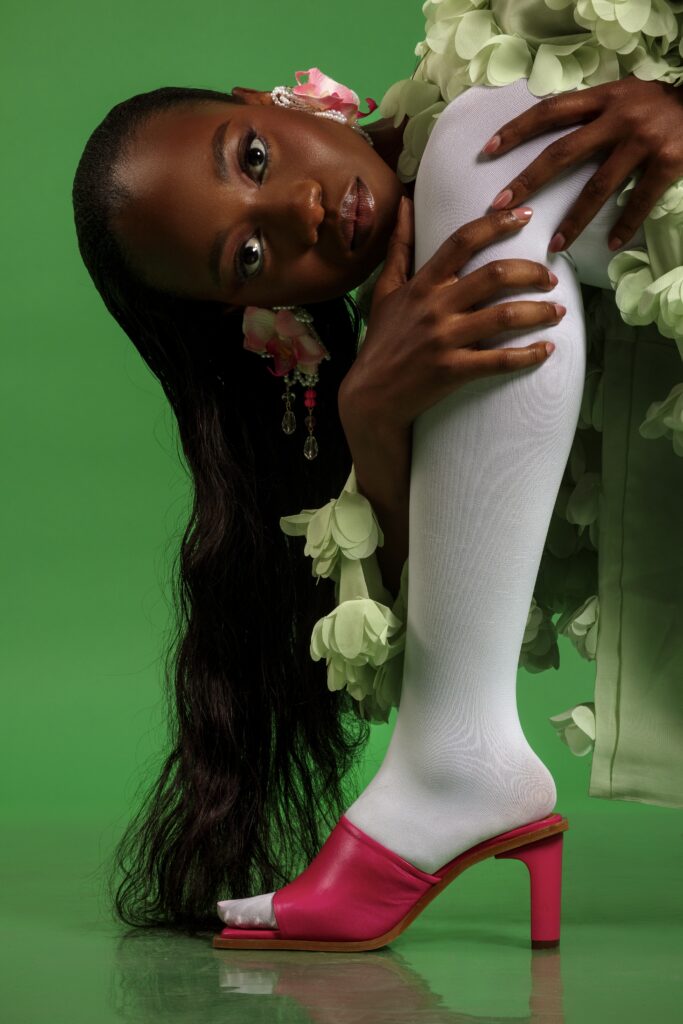
At the end of our conversation, I ask her what being a Neon Gurl means to her.
“Being a Neon Gurl… is being unapologetically visible,” she says. “It’s embracing your energy, your uniqueness, and allowing yourself to shine without dimming your light for anybody. Just be bright.”
That idea feels like the thread that runs through everything she shared, from movement to confidence to representation.
In Zeeggy Mercy’s world, posing isn’t about perfection.
It’s about presence.
