




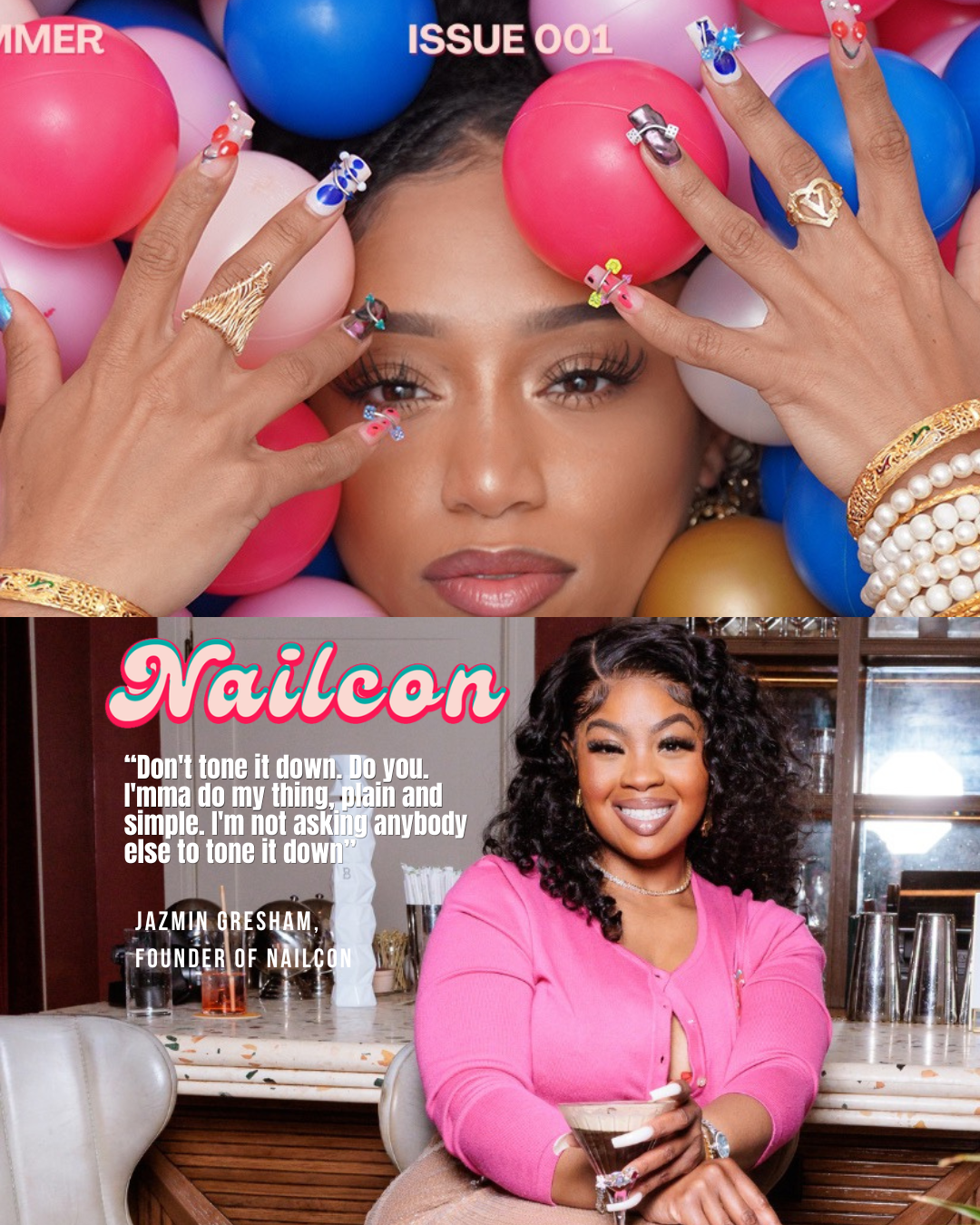
I sat down with Jazmin Gresham, Chicago born and raised, to talk about NailCon, but what unfolded was something much deeper. It wasn’t just a conversation about nails or business. It was about culture, identity, and the quiet power of building something that has always existed, but never had a name until now.
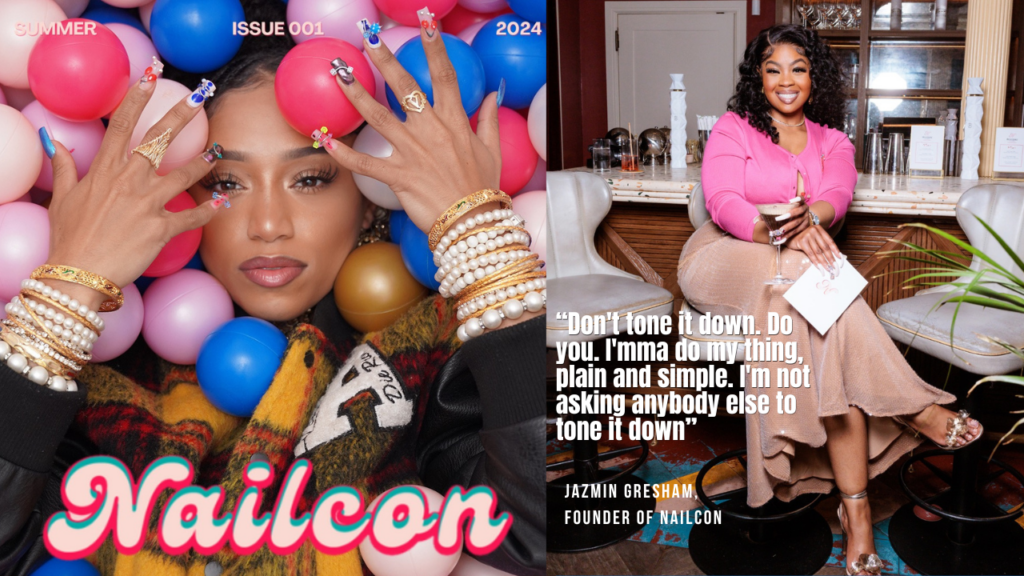
“Well, I’m a Chicago girl, so being, like, from Chicago, being from the Midwest, like, our hair, nails, all of that is just… so important to us, it’s truly ingrained in our culture,” she tells me early on, grounding everything that comes next in place and experience. That foundation matters, because for Jazmin, nails were never just aesthetic. They were an introduction to womanhood, ritual, and connection.
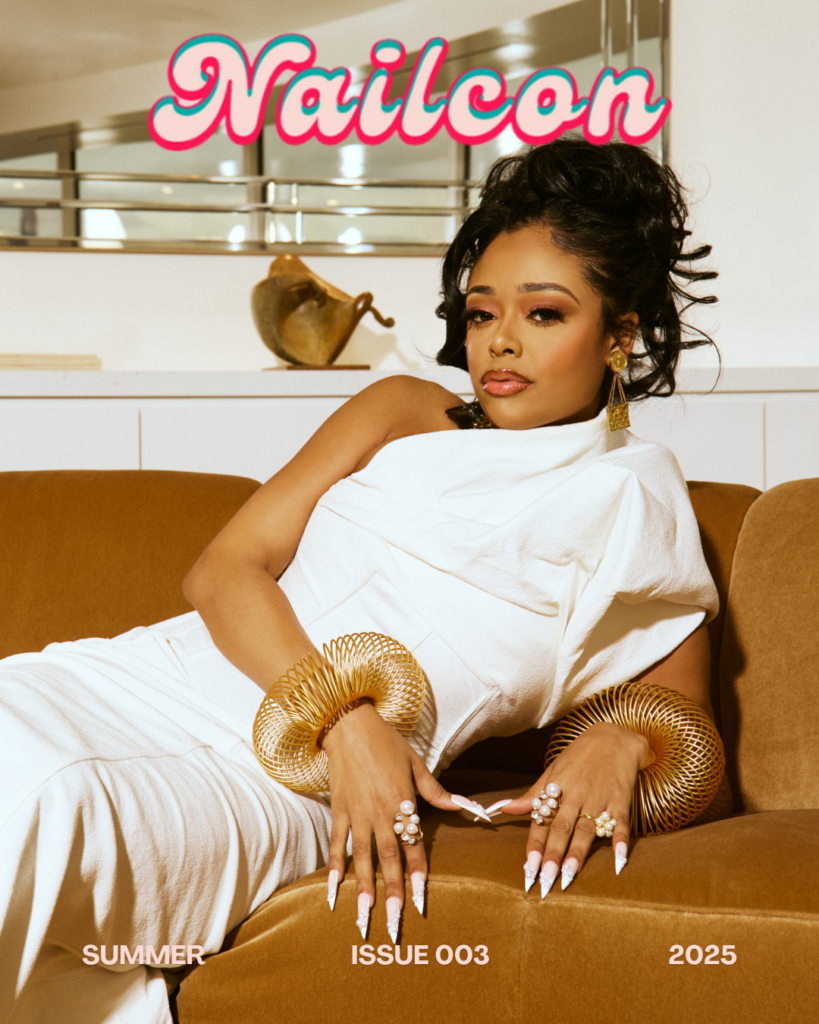
Long before NailCon existed, before the activations, the partnerships, the cross-country events, there were nail salons and moments shared with her mother. “It was something very intimate that I shared with my mom, and it was just, like, really cool,” she says. Her mother, Crystal, becomes part of the story in a way that feels familiar to so many women, style passed down not just through instruction, but through presence.
“She was always, like, really creative, very fly. She always wore, like, the long red, her nails always made a statement,” Jazmin says.
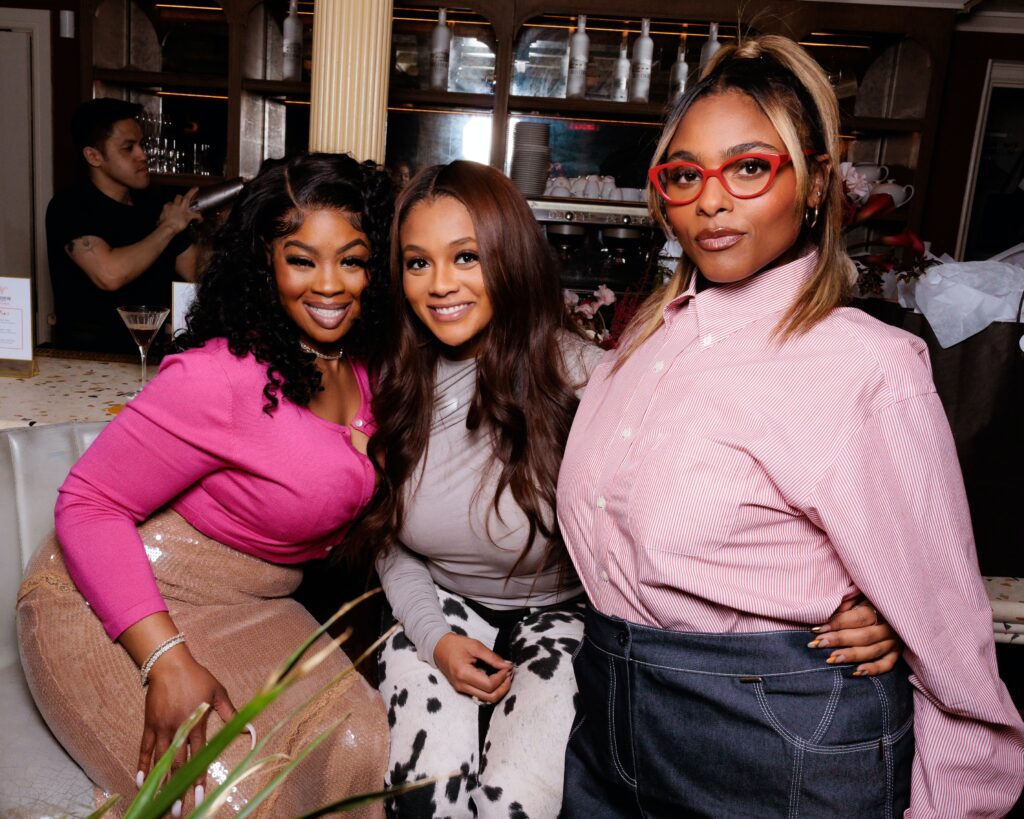
Those early experiences shaped more than taste, they shaped perspective. Moving from Chicago’s North Side to the West Side to get her nails done wasn’t just about beauty, it was about exposure. “That was a completely different experience, you weren’t seeing just, like, the 3D nails, the junk nails, the freestyle art,” she explains. And in that contrast, creativity sparked. By fourteen, nails became her language. Not loud in personality, but expressive in detail.
“It was just my way of being able to be expressive, creative, and show my other side, it was fun, it was also just a great way of self-care and self-realization,” she says.
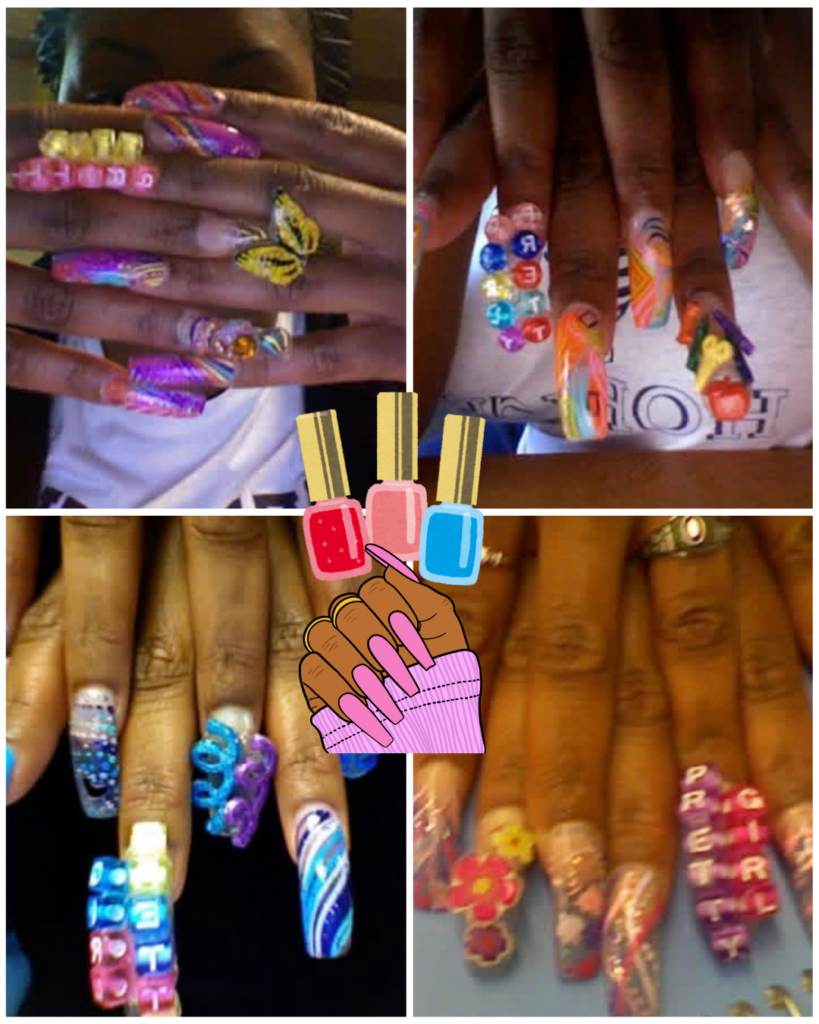
That idea of self expression through nails is something that has long existed, especially within Black communities, but has only recently been recognized on a global scale. Jazmin speaks to this shift with clarity, cutting through the surface-level narrative. “Well, this is what I will say… nails have become mainstream post-COVID. So, prior to that, the girl’s been getting their nails done. This is not anything different,” she says. What changed wasn’t the culture, it was the attention. “Black people, Black women in general, we are trendsetters,” she says plainly.
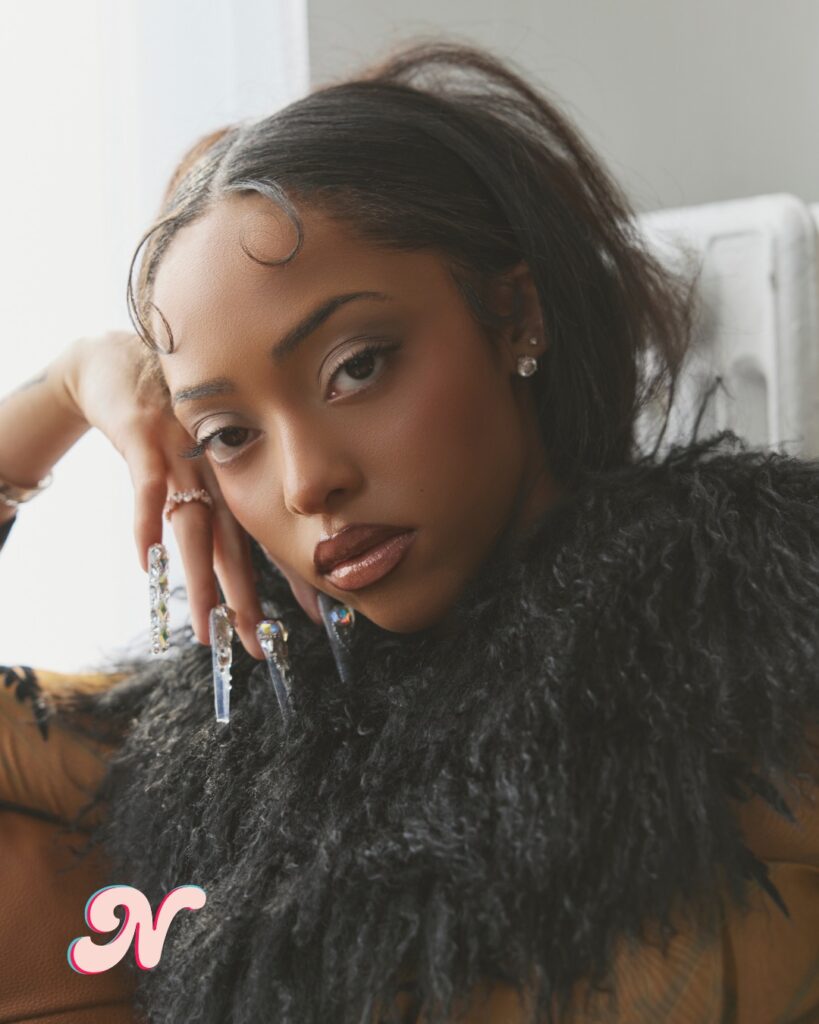
Jodie Woods on set with Nailcon
At the same time, she acknowledges the communities that have always been part of the ecosystem. “We already know that the Asian community, this is what they do… a lot of the girls you grow up with, you’re probably starting out at an Asian nail salon,” she adds. The globalization of nails, she explains, is less about sudden popularity and more about visibility. Media, brands, and shifting consumer focus have all played a role. “The media needs something new. These brands have to shift their target audience so they can make their dollars. That’s all it comes down to,” she says.
Before NailCon, Jazmin wasn’t trying to build anything at all, and she’s very clear about that. “I had absolutely no plans on being an entrepreneur,” she says. But her lifestyle had already started to take shape in ways that felt unconventional and quietly visionary.
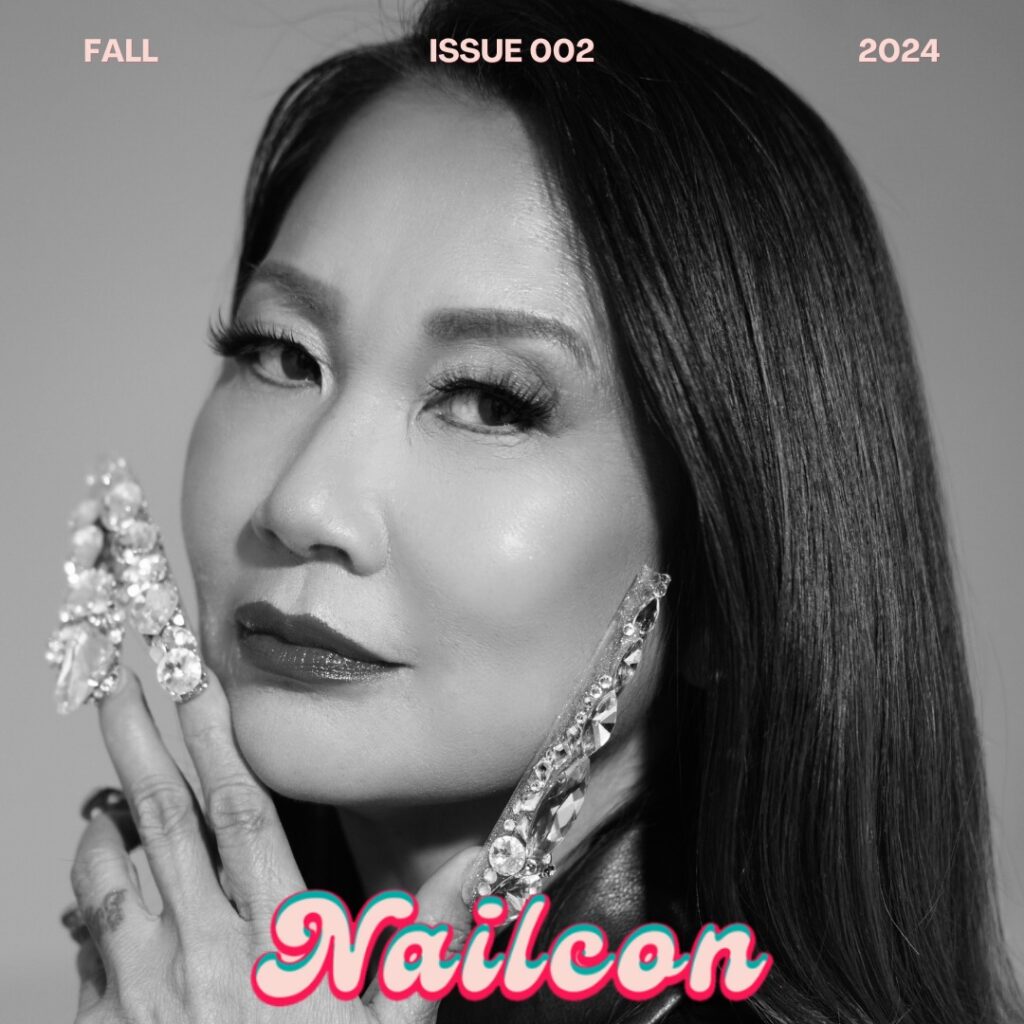
For years, she traveled solo, city to city, sometimes country to country, simply to get her nails done. “Every month, I would solo travel to a different city, or a different country, by myself. I would just hop on a flight,” she says. It sounds bold, but to her, it was natural, a combination of curiosity, independence, and love for the culture. “I just wanted to do something different,” she says. She documented it all, building connections and community without realizing she was laying the foundation for something bigger. Then came the moment. Sitting at her kitchen table, in between plans and uncertainty, the idea arrived clearly. “I was like, I wish there was something like this for nails, and I would call it NailCon,” she recalls. And just like that, it existed.
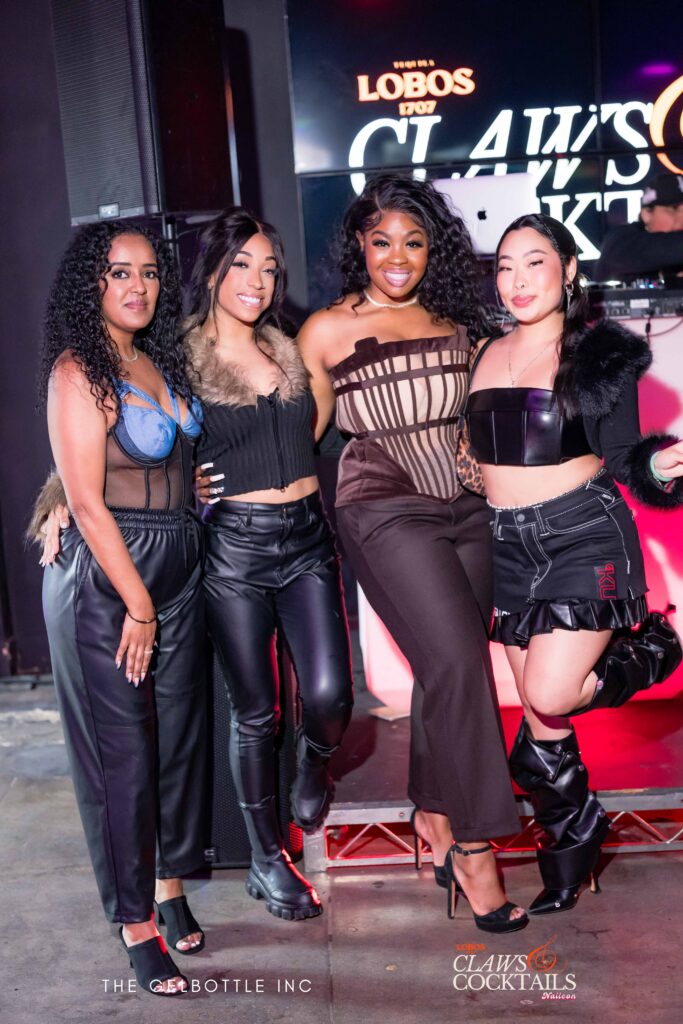
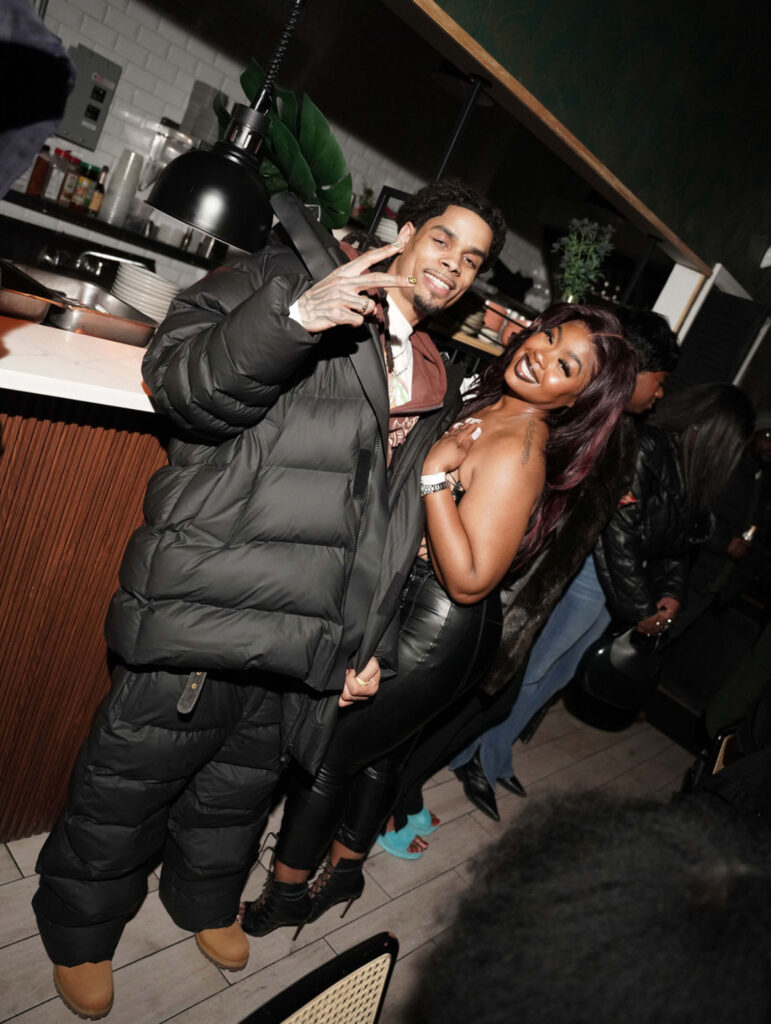
Today, NailCon is more than an idea. It is, as she defines it, “the first direct-to-consumer nail beauty activation festival, connecting the consumer, the professional, and the brands… really creating that community.” What makes it powerful is not just its structure, but its intention. At its core, NailCon mirrors the intimacy of the nail salon itself, a space where women gather, exchange stories, and exist fully.
“It isn’t any different from the beauty salon experience, but I think it’s even more intimate, because it’s hand-to-hand,” she explains.
That intimacy is something she intentionally recreates across every activation, every event, every editorial moment. “I’m a consumer first,” she says. That mindset shapes everything, from concepting events to engaging directly with her audience. “I want to hear from the people. I want their opinions and suggestions,” she adds. That openness is part of what has allowed NailCon to grow, expanding across cities like Los Angeles, Chicago, Miami, and New York, with over forty activations and experiences already behind it.
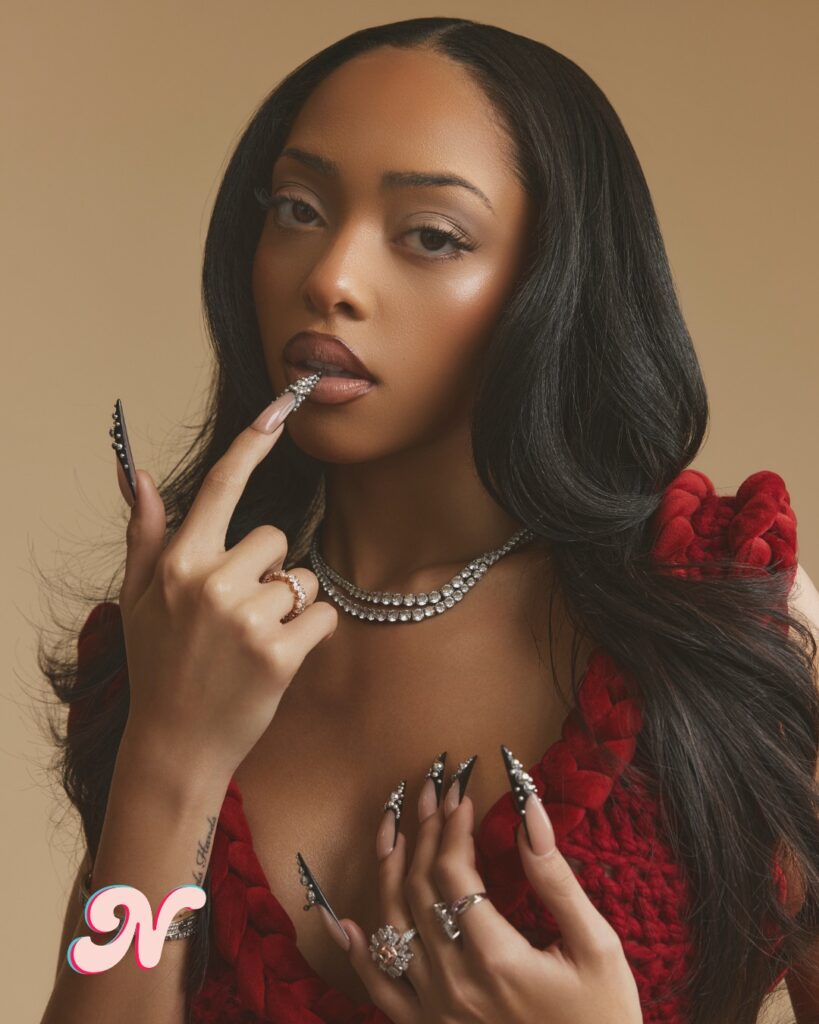
Still, she doesn’t romanticize the journey. “It’s been the most beautiful thing ever. It fucking sucks,” she says honestly. Entrepreneurship, for her, lives in that duality, joy and frustration, vision and reality. “I think the biggest challenge has been the people, you think you know until it’s time to find out,” she says. And yet, she keeps going, because the moments that affirm her path outweigh everything else. “I’ve had way more moments of that feeling than I have of the opposite. I know God didn’t give me this for nothing,” she says.
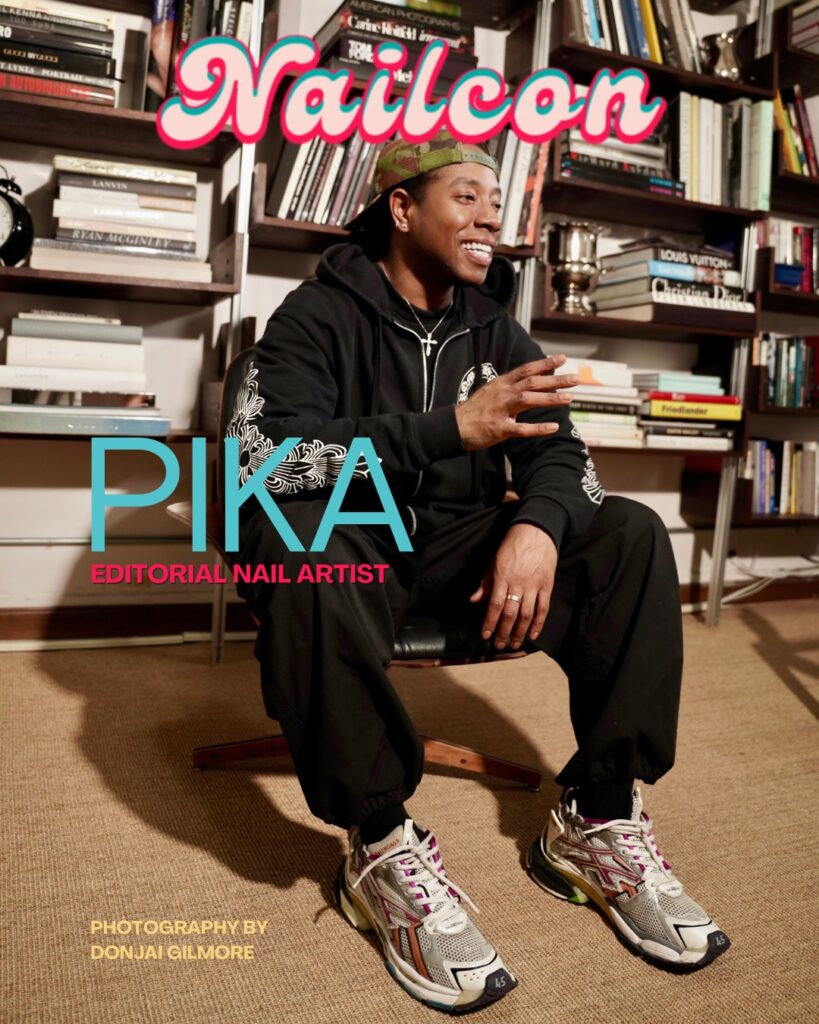
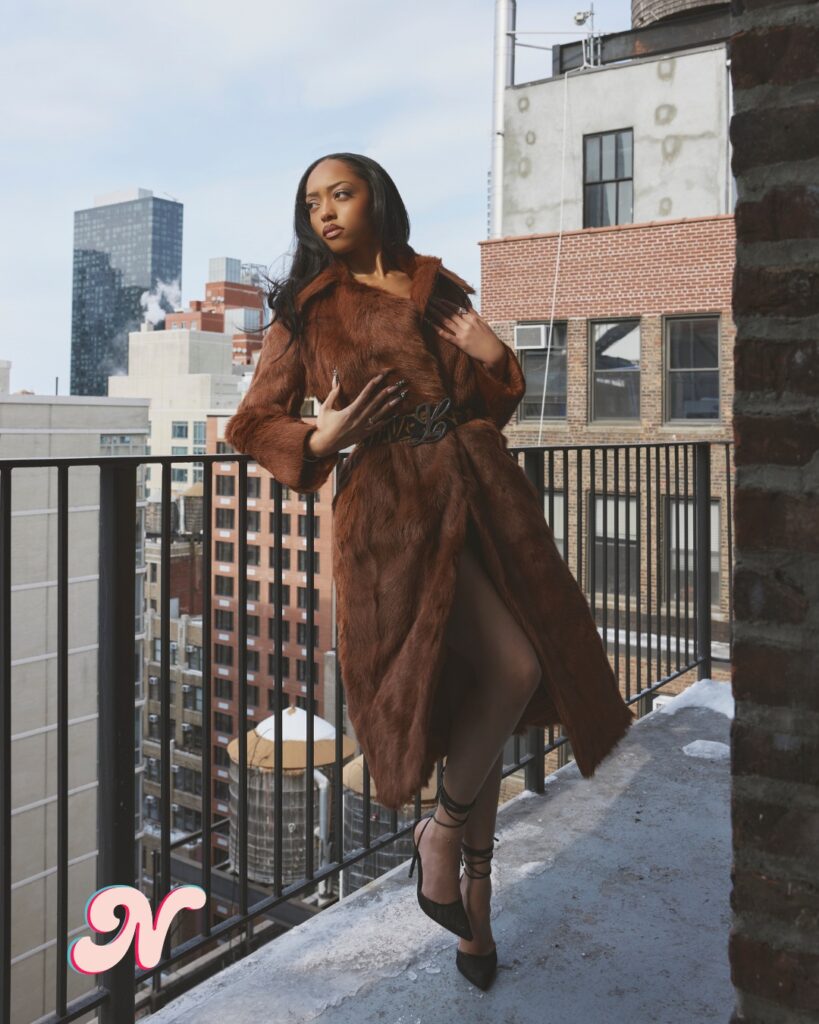
That clarity shows up in how she moves through the world, especially in spaces that weren’t designed with her in mind. Corporate environments, luxury spaces, rooms where expression is often expected to be muted. She never adjusted. “I did not care. I always wore my nails and they were long, and they were colorful,” she says. And when asked what advice she would give to other women navigating those same spaces, her answer is immediate and unwavering.
“Don’t tone it down. Don’t tone it down,” she says. “Do you. I’mma do my thing, plain and simple. I’m not asking anybody else to tone it down,” she continues.
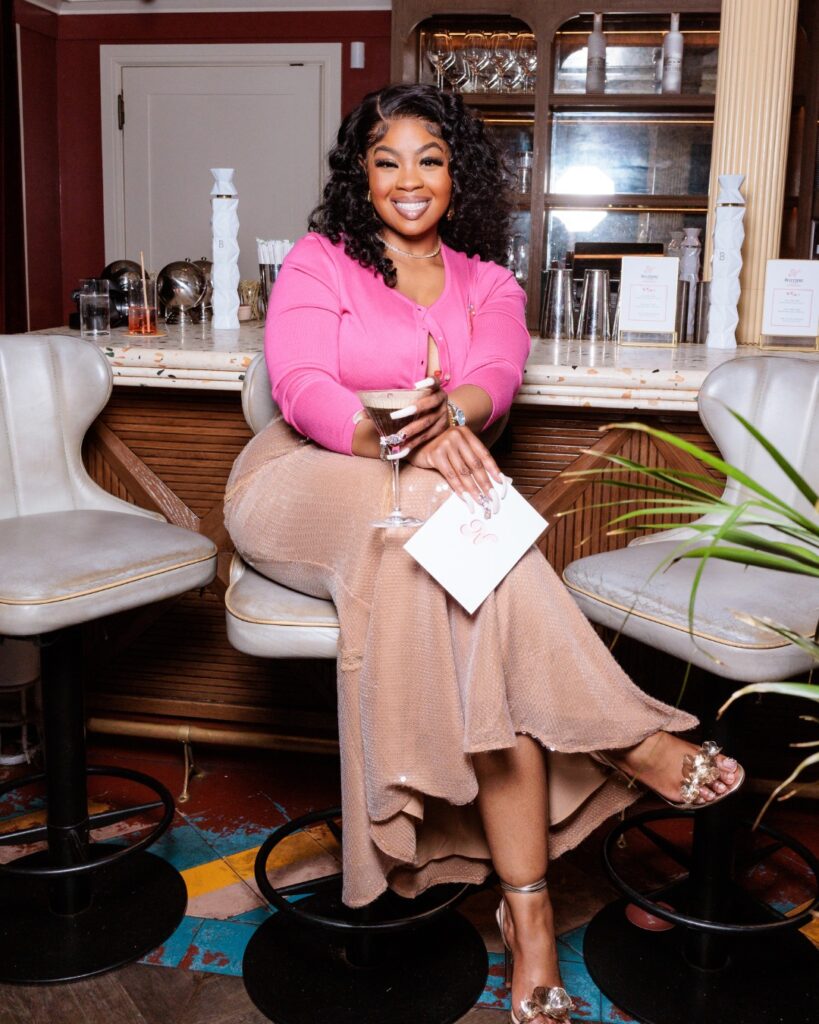
At the end of our conversation, I ask her what it means to be a Neon Gurl. Her answer feels like a full-circle moment, tying together everything she’s shared.
“Everything… being yourself, being authentic, showing up fully, showing up whole, even when you’re hurt, understanding that we bend, we don’t break,” she says.
And just like that, its clear. Jazmin didn’t just build NailCon. She gave something that always existed: a name, a home, and a platform.
