




The WNBA Draft Just Shifted the Season — And the Energy Feels Different
The 2026 WNBA Draft didn’t feel like a routine league event. It felt like a turning point. The kind of night where you can sense momentum building in real time, where names being called don’t just fill rosters, they reshape expectations for what the season could become.
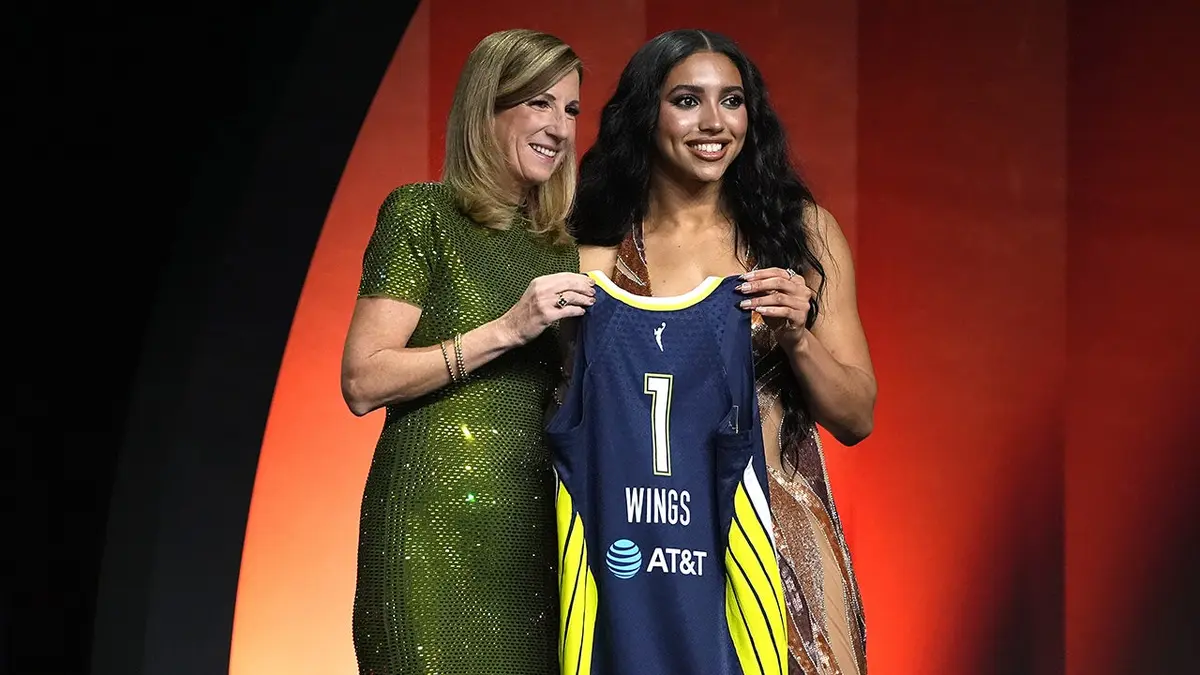
At the center of it all was Azzi Fudd, selected No. 1 overall by the Dallas Wings. Her arrival carries more weight than a typical top pick. She enters the league as one of the most refined scorers in recent college basketball, coming off a championship run at UConn and years of being watched, analyzed, and anticipated. There is a calmness to her game that translates easily, the kind that suggests she won’t need long to adjust. What makes her situation even more compelling is the reunion with Paige Bueckers, last year’s No. 1 pick. There is already a sense that Dallas is building something intentional, not just adding talent but shaping identity.
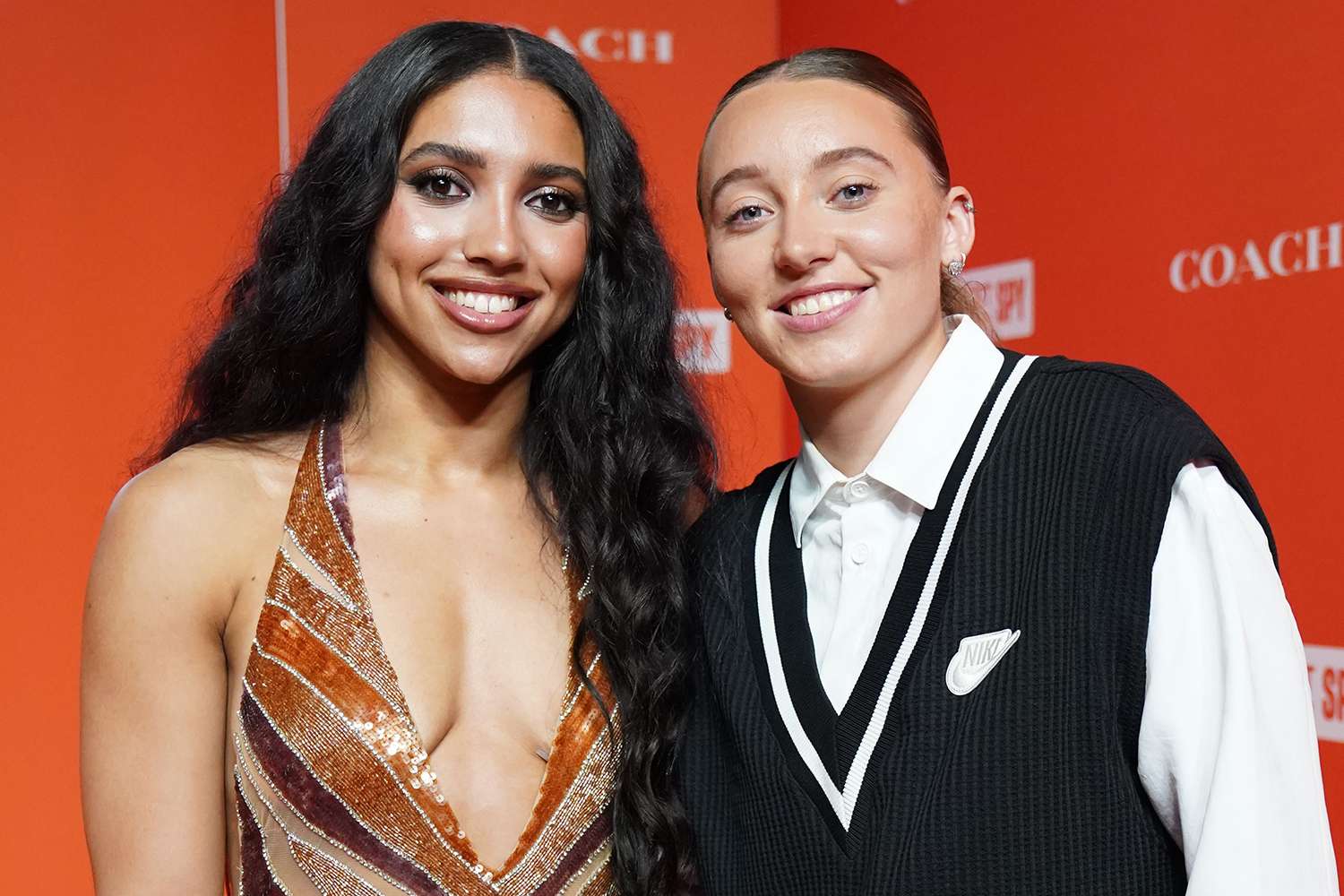

Fudd’s presence alone would have defined the night, but this draft class runs deeper than a single headline. Olivia Miles enters the league with a reputation as one of the most instinctive playmakers in college basketball, a guard who sees the floor in a way that can immediately elevate a team’s pace and rhythm. Lauren Betts brings size and control in the paint, the kind of presence that forces teams to adjust defensively from the moment she steps on the court. Kiki Rice and Gabriela Jaquez add another layer, both known for their composure in high-pressure moments and an ability to impact games without forcing themselves into them.


There is also something worth noting about where many of these players are coming from. Programs like UCLA are sending multiple athletes into the league at once, which shifts how teams think about chemistry and readiness. These players are not arriving as isolated prospects. Many of them have already played in systems that demanded discipline, adaptability, and national-level expectations. That continuity shows up quickly once the season begins.
At the same time, the league itself is expanding. New teams like the Toronto Tempo and Portland Fire are creating more space for talent and more reasons for new audiences to engage. Expansion is often discussed in terms of numbers, but what it really changes is visibility. More teams mean more games, more local markets, and more entry points for fans who may not have felt connected before.


With preseason underway and the season set to tip off in early May, the focus shifts quickly from potential to reality. Training camps are where early assumptions get tested. Rookies begin to find their pace, veterans reassert their roles, and teams experiment with lineups that may look very different by opening night. For players like Fudd, the question is not just how talented they are, but how quickly they can translate that talent against faster, more physical competition. For teams like Dallas, the question becomes whether chemistry can develop fast enough to turn promise into wins.
What stands out about this moment in the WNBA is not just the level of talent entering the league, but the context surrounding it. The audience is larger. The attention is sharper. The expectations feel more defined. Players are arriving with established followings, NIL experience, and a clear understanding of their value both on and off the court.
This season will not be defined by one player or one team. It will be shaped by how all of these elements come together. The rookies adjusting. The veterans responding. The teams evolving in real time. And somewhere within that, new storylines will take hold, the kind that carry through the season and reshape how we talk about the league by the time it ends.
