





The Grammys returned to Los Angeles’ Crypto.com Arena on Sunday night, and the energy felt different from the jump. Not just because Trevor Noah was back to host for the sixth — and final — time, but because this broadcast marked the end of a TV era. After more than half a century, CBS aired its last Grammy Awards. In 2027, the show moves to Disney outlets, closing the book on a long-standing partnership and signaling a new chapter for how awards shows will compete in a streaming-first world.
But the bigger story wasn’t the network switch. It was the tone of the night: a ceremony that felt like it had one foot in glamour and one foot planted firmly in the real world.
The biggest wins: a global shift on music’s biggest stage
The night’s major Grammys went to four artists who each represent something larger than their own careers right now — new stars rising, pop’s most precise writers, hip hop’s heavyweight storytelling, and a global superstar taking the biggest trophy in the room.
Best New Artist went to Olivia Dean, a win that felt like the Grammys calling it early — not “watch this person,” but this person is here. Dean’s music has always carried that rare combination of softness and command: understated, but undeniable.

Song of the Year went to Billie Eilish and Finneas for “Wildflower,” reinforcing what fans already know: they’re not just pop stars, they’re craftsmen. The kind of duo that can make a whisper feel like a headline.

Record of the Year went to Kendrick Lamar with SZA for “Luther,” a win that landed like a statement. Not just a reward for a single song, but recognition of a lane Kendrick has built over time — thoughtful, cinematic, and sharp — now amplified with SZA’s emotional precision.
And then came Album of the Year: Bad Bunny winning for Debí Tirar Más Fotos. It wasn’t just a win, it was a cultural moment. This wasn’t Bad Bunny being rewarded for “crossing over.” It was the Grammys acknowledging that the center has moved — that global music isn’t an “addition” to the mainstream, it is the mainstream.

The speeches: when the Grammys stopped pretending music lives in a bubble
At some point, every awards show has to decide what it’s really about. Just celebration? Or the culture too?
This year, the Grammys leaned into the second option.
Bad Bunny’s acceptance moment didn’t stay inside the safe boundaries of “thank you, my team.” He made it personal and political — calling out ICE and speaking in a way that felt less like a celebrity statement and more like a line drawn in public. Whether you agreed or not, it was the kind of moment that reminds everyone watching: artists don’t only represent albums. They represent communities, histories, and real lives. And sometimes the biggest stage becomes the only stage loud enough.
Billie and Finneas also used their moment to go beyond music. Their win carried the kind of message they’ve always been known for — grounded in empathy, rooted in human rights, and delivered with that quiet intensity that makes the room listen. It wasn’t performative. It felt like a reflection of who they are, and what they’ve consistently stood for.
It was one of those Grammy nights where you could feel the temperature of the country in the room: immigration, identity, power, and accountability weren’t background noise — they were part of the story.
The show you didn’t see: where most of the Grammys actually happen
Like every year, the televised ceremony only shows a slice of what the Grammys are. The majority of the 95 awards were handed out earlier at the non-televised Premiere Ceremony, hosted by Darren Criss — the part of Grammy weekend where jazz, classical, gospel, engineering, and deep craft get the spotlight.
And honestly? That’s one of the most important truths about the Grammys: the broadcast is the spectacle, but the full list is a reminder that music is an ecosystem — made by writers, producers, engineers, instrumentalists, and voices that rarely get the red-carpet camera time.
Pop culture, but make it Neon Gurl

Beyond the big four, this year’s Grammys also gave us a set of wins that felt like they belonged in the same conversation — pop that’s theatrical, dance music that’s forward, and a moment for artists who’ve been building quietly until the world had to pay attention.
Lady Gaga won Best Pop Vocal Album for Mayhem, a win that reads like a return to form and a reminder that Gaga doesn’t just make pop music — she builds pop worlds.
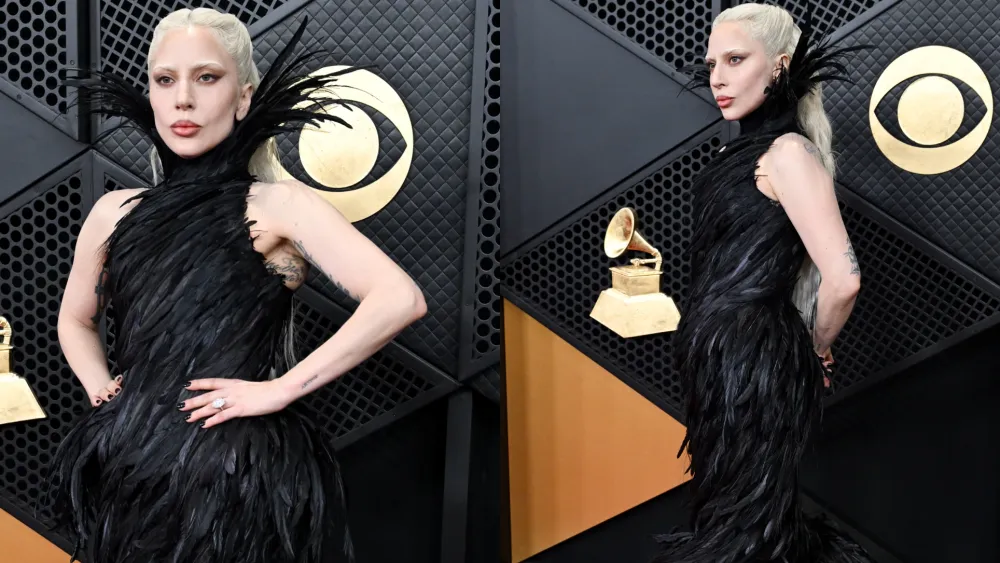
Lola Young took Best Pop Solo Performance for “Messy,” a breakout moment that felt like the Grammys catching up to what listeners already felt: raw emotion can still win.
And Cynthia Erivo and Ariana Grande winning Pop Duo/Group Performance for “Defying Gravity” was the kind of award-show moment that feels instantly iconic — theatrical, dramatic, and built for the group chat.
The bigger headline: awards shows are changing because the audience is changing
This year wasn’t just about who won — it was about what the Grammys are becoming.
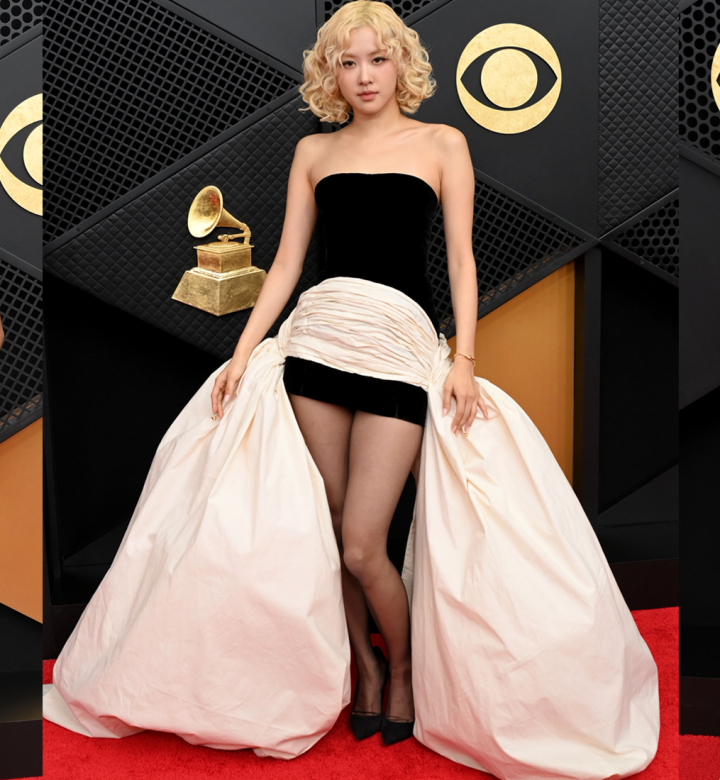
With CBS stepping away and Disney stepping in starting 2027, the Grammys are clearly preparing for a future where the “broadcast” is only one part of the experience. The real show is the clips. The speeches. The moments that go viral. The performance that becomes a TikTok audio by morning. The red carpet photo that turns into a meme before the commercial break ends.

And in that world, what matters most isn’t just a trophy — it’s a moment that says something.
The Neon Gurl takeaway
The 2026 Grammys felt like a pivot point. A celebration, yes — but also a reflection of where music and culture are right now: global, political, emotional, and impossible to separate from the world we’re living in.
